
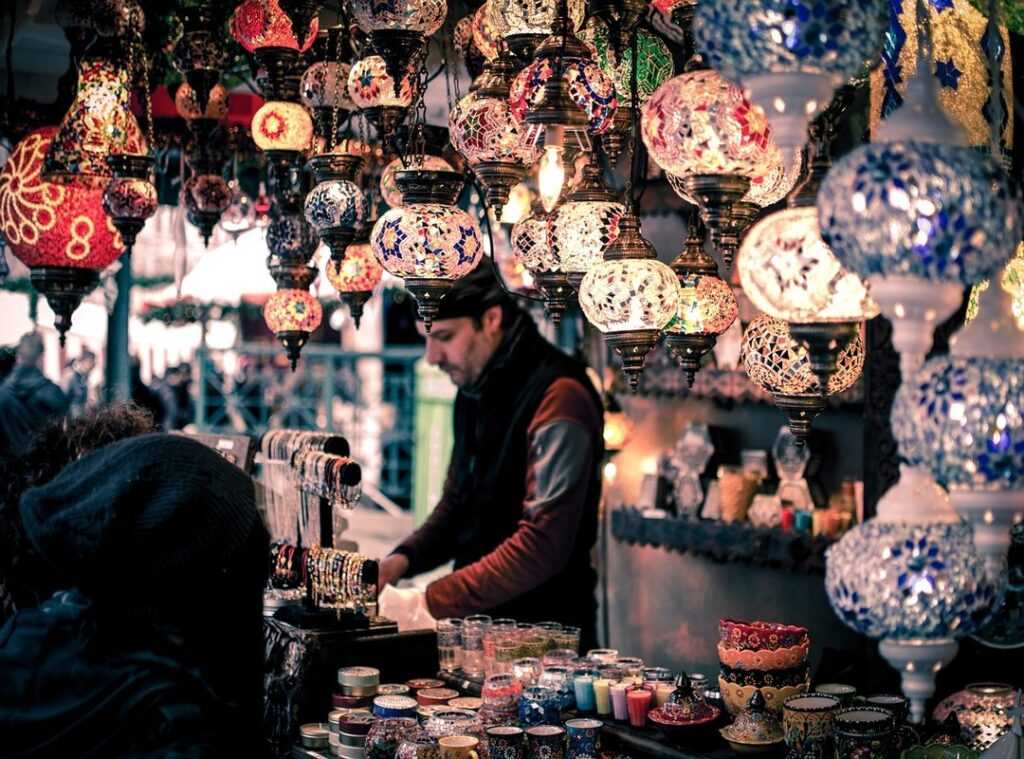
You’re standing in that little gallery on the Bassin d’Arcachon wharf.
Heart pounding.
You love that painting. You need it.
Then you see the price tag.
You blink. You check again.
Why Do Paintings Sell for so Much Arcachdir
I’ve asked that same question. Out loud. In front of half the galleries in Arcachon.
And I’ve sat down with artists, dealers, and collectors who live here year-round. Not just summer visitors.
This isn’t about hype or guesswork.
It’s about real economics. Real history. Real demand from people who know this place like their own backyards.
I’ll break down exactly what pushes prices up. No fluff, no art-world jargon.
Just clear reasons.
You’ll walk away knowing why that piece costs what it does.
And whether it’s worth it to you.
The ‘Bassin d’Arcachon’ Effect: Location as a Price Tag
Arcachon isn’t just on the map. It’s a brand. A luxury label stamped across everything from oysters to oil paintings.
I’ve watched galleries in that area charge 40% more for the same medium, same size, same artist (just) because the frame came from a shop two blocks from the jetty.
That’s not accidental. That’s terroir.
You know terroir from wine. How soil and sun shape flavor. Art has it too.
A painting made in Arcachon, or even of it, absorbs the prestige like a sponge.
Why Do Paintings Sell for so Much Arcachdir? Because buyers aren’t just buying pigment on canvas. They’re buying access.
A key to the club.
Take the Dune du Pilat. A decent space of it by a mid-tier painter sells for €12,000 in Bordeaux. In Arcachon? €28,000.
Same brushstrokes. Different ZIP code.
Rents there are brutal. Gallery overheads are insane. Those costs don’t vanish.
They land on the price tag (and) the buyer pays without blinking.
A cabane tchanquée isn’t just a shack on stilts. It’s shorthand for slow mornings, pine air, champagne at sunset. Own the painting?
You own that feeling (or) at least, the illusion of it.
Some collectors admit it outright: they hang Arcachon art because it reminds them where they wish they were living.
Others won’t say it. But they still pay.
Arcachdir is where this effect hardens into pricing logic.
It’s not about skill. It’s about signal.
Location doesn’t just influence value.
It is the value.
Sometimes the view costs more than the frame.
The Artist’s Signature: Reputation, Technique, Local Clout
I price my own work. And I watch how others price theirs. Especially in Arcachon.
Reputation isn’t abstract. It’s receipts. A painter showing at Galerie L’Éclat in Arcachon?
That’s a signal. A local artist selling at the Bassin market every Saturday? That’s a different signal.
One gets gallery markup. The other gets community trust.
Emerging artists charge less (not) because they’re worse, but because they haven’t proven consistency yet. (And let’s be real: proven consistency is rare.)
Established artists with shows in Paris or Berlin? They price higher. Not just for ego.
For overhead. For travel. For the fact that collectors expect them to cost more.
Material costs matter. Real pigment. Cadmium red, lapis lazuli (costs) hundreds per gram.
Custom stretcher bars? Hand-gessoed panels? That’s labor you feel in your wrist after six hours.
Time-consuming techniques like gold leafing or encaustic don’t scale. You can’t rush heat-fused wax. So the price reflects what it actually took.
Local acclaim is real use. Someone known across Le Teich and La Teste sells faster. And pricier (to) neighbors who’ve watched their growth over ten years.
That loyalty isn’t sentimental. It’s economic. People pay more for stories they’ve lived alongside.
A strong, recognizable style built over years? That’s not just aesthetic. It’s proof of discipline.
Buyers pay for reliability. The confidence that next year’s piece will still feel like theirs.
Why Do Paintings Sell for so Much Arcachdir? Because every number on the tag includes years of failed canvases, pigment invoices, studio rent, and one stubborn decision: not to quit.
I’ve seen artists double prices overnight after a single feature in Sud Ouest. Local press moves markets.
Why Arcachdir Paintings Cost What They Do
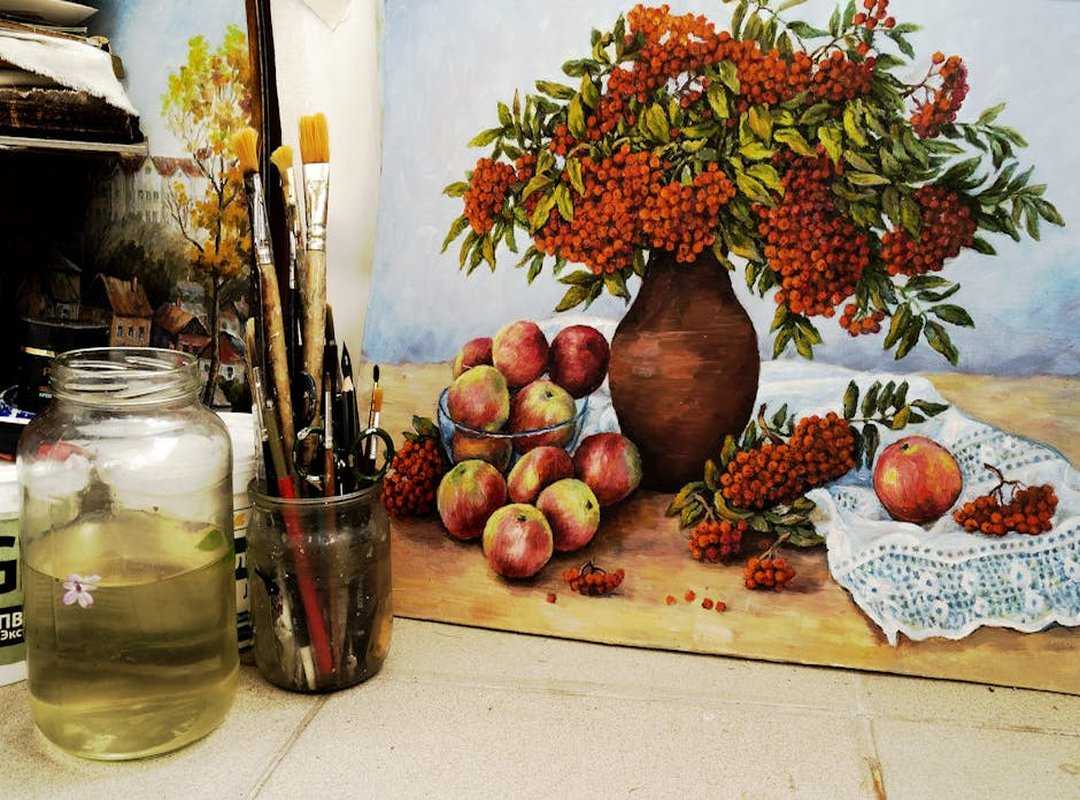
I’ve watched people blink at price tags in Arcachon galleries. Then they ask: Why Do Paintings Sell for so Much Arcachdir?
Galleries here aren’t shops. They’re career engines.
They pick artists early. Fund studio time. Print catalogs.
Fly critics in. Host openings that feel like small weddings. All before the first sale.
That 40 (50%) commission? It’s not greed. It’s payroll, rent, insurance, and shipping crates that cost more than your laptop.
You think it’s just a wall with paintings. It’s not.
I covered this topic over in Arcachdir Exhibition Paintings by Arcyart.
Arcachon buyers are different. Not “art curious.” Affluent. Seasoned.
Many own homes here or nearby. They don’t buy art to match the sofa. They buy because they know what they like (and) they pay for certainty.
Tourism is the silent engine.
People come for oysters and sea air. They leave with a painting. Not a magnet.
Not a postcard. Something real. Something signed.
Something they’ll hang over their fireplace in Neuilly or Brooklyn.
That seasonal rush doesn’t crash prices. It props them up. Every year.
Like clockwork.
Exclusivity isn’t marketing fluff. It’s math.
One gallery controls how many pieces an artist releases per season. No floods. No fire sales.
Just slow, steady visibility (like) a musician who drops one album every 18 months.
You want proof? Look at the waiting lists. Or check this guide for how Arcyart’s latest run sold out in 72 hours.
I’ve seen collectors wait two years for a single canvas.
Would you?
The work isn’t cheap. But the value isn’t arbitrary.
It’s baked in. By people, timing, and tight control.
No magic. Just discipline.
Why Paintings Cost What They Do: Feeling, Not Just Frame
I bought a small oil sketch last year. It’s not famous. It’s not huge.
But it shows the exact light on the Bassin at 4 p.m. in late September. The kind that makes your throat tighten.
That’s why it cost what it did.
You’re not paying for linen or pigment. You’re paying for emotional resonance.
It’s the same reason someone pays $20 million for a Rothko. Not because of the cadmium red, but because it echoes something deep and wordless inside them.
Yes, some pieces appreciate. A recognized artist’s work can climb in value. But let’s be real: most buyers aren’t calculating ROI.
They’re chasing a feeling they can’t name.
Mass production is everywhere. A factory spits out identical mugs, chairs, phones. An original painting?
One shot. One hand. One moment.
That singularity matters.
Why Do Paintings Sell for so Much Arcachdir? Because people don’t buy art to decorate walls. They buy it to hold space for memory, mood, meaning.
If you want to understand how that works in practice, check out what Arcachdir reveals about the quiet weight of presence in painting.
Arcachon Art Makes Sense Now
You walked into that gallery and flinched at the price tag.
I did too (the) first time.
Why Do Paintings Sell for so Much Arcachdir?
It’s not greed. It’s geography, craft, and real human connection.
The area’s prestige pulls buyers. The artists spent decades mastering light on water. Galleries cover rent, insurance, and quiet respect.
But here’s what changes everything:
Ask the gallerist about the artist’s process. Not the price. Not the frame.
The how.
That question flips the script. Suddenly it’s not about cost. It’s about context.
You came here because you felt priced out.
Now you see the weight behind each number.
Go back to that gallery next week. Say hello. Ask one real question.
Then decide. With your eyes open.
 Jessica Elsassie has opinions about inspiration and ideas for artists. Informed ones, backed by real experience — but opinions nonetheless, and they doesn't try to disguise them as neutral observation. They thinks a lot of what gets written about Inspiration and Ideas for Artists, Art Collecting Tips, Artist Profiles and Interviews is either too cautious to be useful or too confident to be credible, and they's work tends to sit deliberately in the space between those two failure modes.
Reading Jessica's pieces, you get the sense of someone who has thought about this stuff seriously and arrived at actual conclusions — not just collected a range of perspectives and declined to pick one. That can be uncomfortable when they lands on something you disagree with. It's also why the writing is worth engaging with. Jessica isn't interested in telling people what they want to hear. They is interested in telling them what they actually thinks, with enough reasoning behind it that you can push back if you want to. That kind of intellectual honesty is rarer than it should be.
What Jessica is best at is the moment when a familiar topic reveals something unexpected — when the conventional wisdom turns out to be slightly off, or when a small shift in framing changes everything. They finds those moments consistently, which is why they's work tends to generate real discussion rather than just passive agreement.
Jessica Elsassie has opinions about inspiration and ideas for artists. Informed ones, backed by real experience — but opinions nonetheless, and they doesn't try to disguise them as neutral observation. They thinks a lot of what gets written about Inspiration and Ideas for Artists, Art Collecting Tips, Artist Profiles and Interviews is either too cautious to be useful or too confident to be credible, and they's work tends to sit deliberately in the space between those two failure modes.
Reading Jessica's pieces, you get the sense of someone who has thought about this stuff seriously and arrived at actual conclusions — not just collected a range of perspectives and declined to pick one. That can be uncomfortable when they lands on something you disagree with. It's also why the writing is worth engaging with. Jessica isn't interested in telling people what they want to hear. They is interested in telling them what they actually thinks, with enough reasoning behind it that you can push back if you want to. That kind of intellectual honesty is rarer than it should be.
What Jessica is best at is the moment when a familiar topic reveals something unexpected — when the conventional wisdom turns out to be slightly off, or when a small shift in framing changes everything. They finds those moments consistently, which is why they's work tends to generate real discussion rather than just passive agreement.