You’ve seen the photos online.
They stop you mid-scroll.
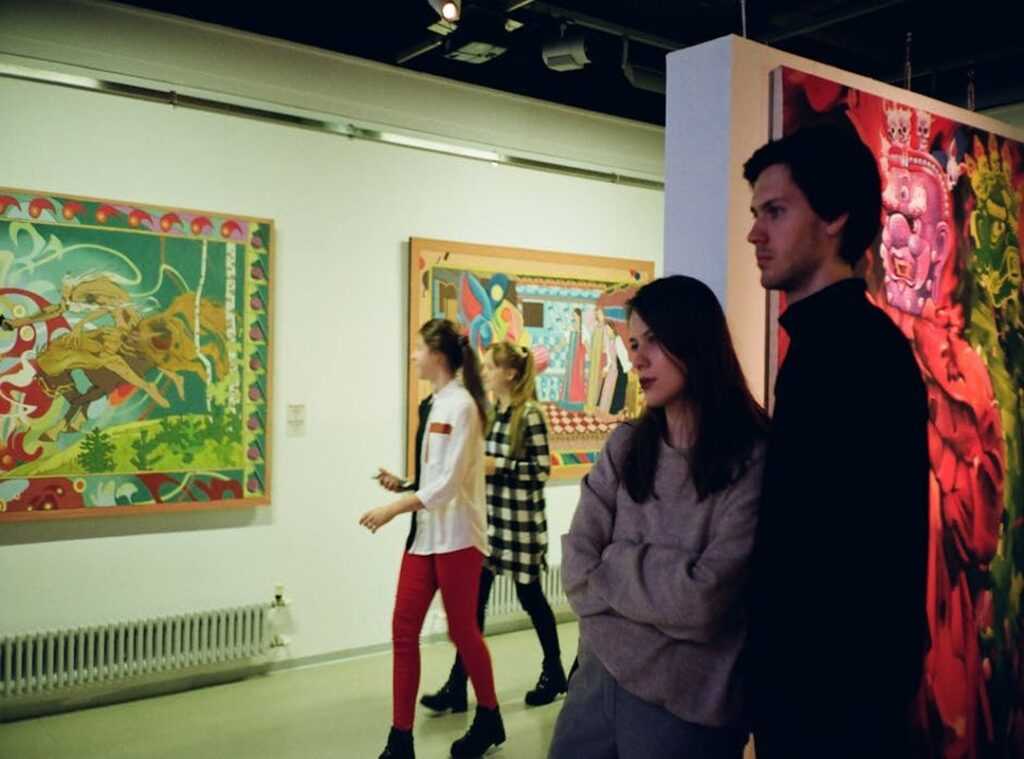
That’s not just another art show. That’s the Arcachdir Exhibition Paintings by Arcyart.
I felt it too (that) sharp inhale when color and composition hit before your brain catches up.
Most people only get a glance. A thumbnail. A caption they skim past.
What if you could stand in front of each piece (not) physically, but understand it?
This isn’t a press release. It’s not a gallery brochure full of vague praise.
I spent two weeks studying every painting in the showcase. Every brushstroke. Every shift in palette.
Every recurring symbol.
I read Arcyart’s notes. Cross-referenced sketches. Traced how themes unfold across rooms.
You’ll get what you’d miss walking through in person.
Why the red appears only in pieces made after March 2023.
How the light changes in the third room. Deliberately.
What the empty chairs really mean.
No fluff. No filler. Just what matters.
You’re here because you want to see, not just look. Let’s go.
Arcyart: Not a Biography. A Pulse Check
I don’t care about their birth year.
I care about the moment they stopped copying trees and started painting how cold air smells before rain.
That’s where Arcachdir begins. You can see it in the first piece. Charcoal smudged like fog over wet pavement, then a single streak of cadmium red cutting through (a bus? a coat? a wound?).
Their inspiration isn’t “nature” or “urban life”. It’s tension. Between stillness and motion.
Between memory and what’s happening right now. Like the painting Glasgow Overpass, 3:17 a.m.. Streetlights blurred, but the graffiti tag “MAYA” razor-sharp.
You feel the chill. You hear the distant train. You wonder if Maya’s still there.
They told me once:
“Arcachdir isn’t a place on a map. It’s the gap between what you think you’re seeing and what your body remembers.”
That quote lives on the Arcachdir landing page. I reread it before every studio visit.
Their philosophy? No grand statements. Just this: make people pause mid-step.
Make them blink twice. Not because the brushwork is perfect. It’s not.
But because something in the composition refuses to let go.
The Arcachdir Exhibition Paintings by Arcyart came from six months living in a converted garage near Oban. No heat. One window.
A lot of tea. That’s why the blues are so deep. Not from pigment, but from actual shivering.
Pro tip: Stand six feet back from Tide Line (No. 4). Then walk in until your nose is two inches from the canvas. The shift in meaning is physical.
What These Paintings Are Really Saying
I don’t believe in “just looking” at art.
You either feel it or you don’t.
The Arcachdir Exhibition Paintings by Arcyart hit three things hard: Resilience in Nature, silence, and the weight of time passing.
Resilience in Nature isn’t about pretty trees. It’s cracked earth holding a single green shoot. A storm-bent pine with bark split open but still standing.
You see it in Thistle on Basalt and Riverbed After Frost. The color palette? Greys, iron ochres, deep moss greens (no) sugarcoating.
Just endurance.
Then there’s The Silence of Urban Spaces. Not emptiness. Not abandonment.
A held breath. Think alleyways at 5 a.m., rain-slicked brick, one lit window far away. The paint is thin there.
Almost washed out. Blues go slate, not sky. Grays get colder.
You lean in. You listen. (Spoiler: nothing answers.)
Fleeting Moments is the quietest one. A woman turning her head (just) as light catches her earlobe. A teacup mid-lift, steam curling, gone in two seconds.
These aren’t snapshots. They’re decisions: to stop time here, not there. Warm amber tones bleed into cool shadows.
Nothing stays still long enough to name.
Some people call this “atmospheric realism.” I call it honesty with a brush.
You’ve seen that light. You’ve stood in that alley. You know that feeling.
The one before the phone buzzes and ruins it.
That’s why these stick.
They don’t explain. They remind.
And if you’re wondering whether you’ll get them (you) will. You already do.
Three Paintings That Won’t Let You Look Away
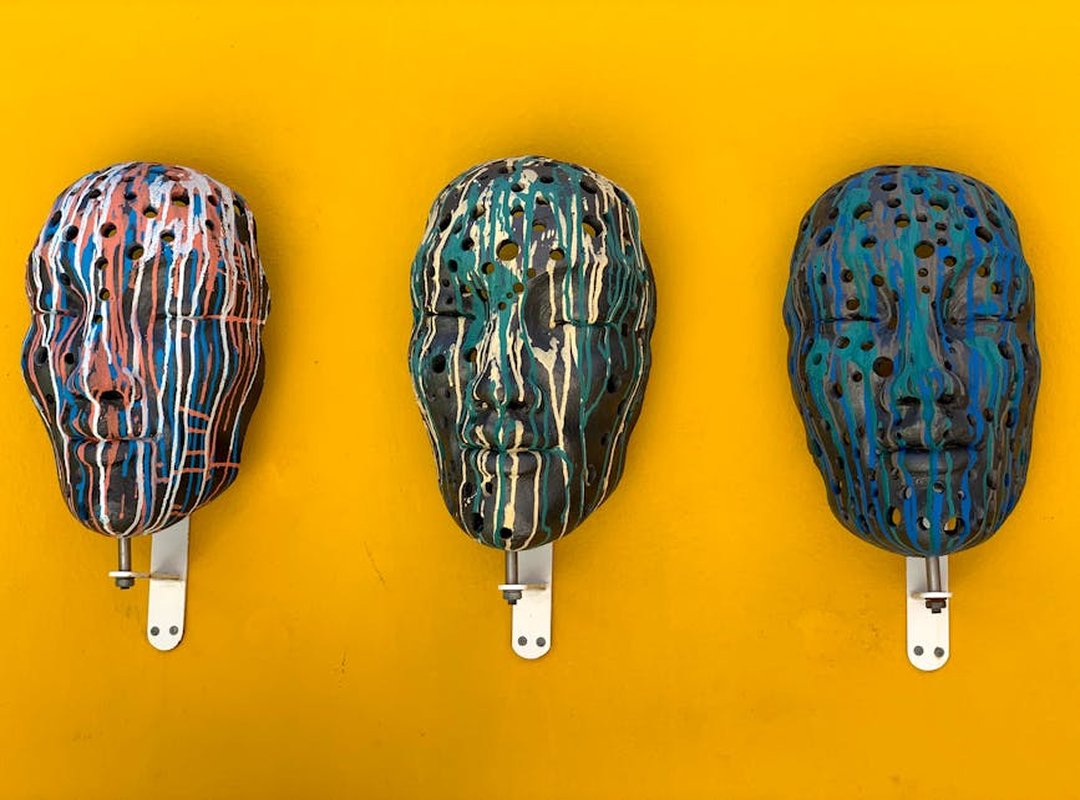
I picked these three because they stuck in my head. Not because they’re pretty. Because they do something.
First: The Last Lighthouse. A single tower tilted against a bruised sky, waves eating the base. The focal point isn’t the light (it’s) the cracked window where no bulb glows.
Brushwork is thick, almost angry impasto near the waterline. It feels like the sea is fighting back. This one nails the theme of resistance (not) loud protest, but quiet, weathered refusal to disappear.
You can read more about this in Arcachdir gallery paintings from arcyart.
Second: City Bloom. A rooftop garden bursting over brick and rebar. One sunflower leans right into a broken AC unit.
Composition pulls your eye up the vine, then stops at that flower’s face. Paint is smooth there. Almost photographic.
But the concrete below is gritty, scraped with palette knife. It’s hope that doesn’t apologize for being messy. That’s adaptation, plain and unvarnished.
Third: Boy With Two Shadows. A kid stands mid-step on cracked pavement. One shadow stretches long behind him.
The other bends forward, cutting across his chest. Brushwork shifts sharply between them. Soft for the rear shadow, jagged for the forward one.
It’s disorienting. And it’s why I keep coming back to the Arcachdir gallery paintings from arcyart page. This piece lives inside uncertainty, not as a problem to solve (but) as a condition to hold.
You can read more about this in Why Do Paintings Sell for so Much Arcachdir.
Arcachdir Exhibition Paintings by Arcyart don’t decorate walls. They occupy space in your thoughts.
You ever see a painting and feel like it saw you first?
That’s what these do.
No fluff. No filler. Just paint, pressure, and pulse.
The Arcyart Technique: Light That Cuts
I don’t just look at Arcyart’s paintings. I feel them.
Their signature move? Chiaroscuro stacking (layering) light and shadow like physical strata. Not soft gradients. Not blended transitions.
Hard edges. Sudden drops. A face half-drowned in black, then lit by one sharp, cold beam.
It’s jarring. It’s intentional.
You see it in every piece. Especially the Arcachdir Exhibition Paintings by Arcyart. That contrast doesn’t just define form (it) creates tension you can’t scroll past.
Other painters smooth things out. Arcyart leans into the rupture.
You either lean in or step back. There’s no middle ground.
That’s why their work stops people mid-stride in galleries. No explanation needed.
If you’ve ever wondered why those pieces command attention (and price tags), this guide explains how light becomes weight, and weight becomes value. read more
See the Paintings Yourself
I walked you through the Arcachdir Exhibition Paintings by Arcyart. Not just what’s on the wall (but) why it hits hard.
You now know the weight behind each brushstroke. The silence between figures. The color choices that aren’t accidental.
That knowledge changes how you stand in front of the work. You don’t need permission to feel something. Or to miss the point entirely.
That’s fine.
Art isn’t a test. It’s a conversation (and) you’re already speaking.
So go look at them. Right now. Online.
On your phone. In person if you can.
The gallery hours are posted. The Instagram feed is live. The paintings won’t move.
But you will.
Your eyes. Your gut. Your quiet moment.
That’s where meaning starts.
Click. Scroll. Show up.
Do it before you forget how much space these pieces take up in your head.
 Jessica Elsassie has opinions about inspiration and ideas for artists. Informed ones, backed by real experience — but opinions nonetheless, and they doesn't try to disguise them as neutral observation. They thinks a lot of what gets written about Inspiration and Ideas for Artists, Art Collecting Tips, Artist Profiles and Interviews is either too cautious to be useful or too confident to be credible, and they's work tends to sit deliberately in the space between those two failure modes.
Reading Jessica's pieces, you get the sense of someone who has thought about this stuff seriously and arrived at actual conclusions — not just collected a range of perspectives and declined to pick one. That can be uncomfortable when they lands on something you disagree with. It's also why the writing is worth engaging with. Jessica isn't interested in telling people what they want to hear. They is interested in telling them what they actually thinks, with enough reasoning behind it that you can push back if you want to. That kind of intellectual honesty is rarer than it should be.
What Jessica is best at is the moment when a familiar topic reveals something unexpected — when the conventional wisdom turns out to be slightly off, or when a small shift in framing changes everything. They finds those moments consistently, which is why they's work tends to generate real discussion rather than just passive agreement.
Jessica Elsassie has opinions about inspiration and ideas for artists. Informed ones, backed by real experience — but opinions nonetheless, and they doesn't try to disguise them as neutral observation. They thinks a lot of what gets written about Inspiration and Ideas for Artists, Art Collecting Tips, Artist Profiles and Interviews is either too cautious to be useful or too confident to be credible, and they's work tends to sit deliberately in the space between those two failure modes.
Reading Jessica's pieces, you get the sense of someone who has thought about this stuff seriously and arrived at actual conclusions — not just collected a range of perspectives and declined to pick one. That can be uncomfortable when they lands on something you disagree with. It's also why the writing is worth engaging with. Jessica isn't interested in telling people what they want to hear. They is interested in telling them what they actually thinks, with enough reasoning behind it that you can push back if you want to. That kind of intellectual honesty is rarer than it should be.
What Jessica is best at is the moment when a familiar topic reveals something unexpected — when the conventional wisdom turns out to be slightly off, or when a small shift in framing changes everything. They finds those moments consistently, which is why they's work tends to generate real discussion rather than just passive agreement.