Power in Process: Why Artists Keep Showing Up
“Art isn’t about talent it’s about persistence, missteps, and starting over without shame.”
Lisa Tran, mixed media artist
Read the full interview with Lisa Tran →
What Lisa Tran Reminds Us About Creation
For artist Lisa Tran, creativity isn’t reserved for the innately gifted it’s powered by determination, setbacks, and the courage to keep returning to the blank canvas. Her quote serves as a reminder that process matters more than perfection.
Key Takeaways:
Talent is overrated: Persistence is the real driver behind finished work.
Failure is part of the formula: Missteps are not only common they’re necessary.
Start again without shame: The ability to reset and revise is an artistic strength.
Tran’s approach speaks to every creative who has ever doubted their legitimacy. To ‘start over without shame’ is to honor the real rhythm of making something meaningful.
Explore more insights from Lisa Tran in her interview on balancing experimentation, vulnerability, and discipline in mixed media art:
In Conversation with Visionary Mixed Media Artist Lisa Tran
Identity and Imprint
“My brush knows more about my ancestors than I do.” Jamal Ortiz, muralist and cultural archivist
Ortiz doesn’t paint for decoration he paints to remember. His murals aren’t just images, they’re maps. Through strokes, color, and layered symbols, he rebuilds histories that oral stories left behind or that textbooks buried. For him, painting is both archive and excavation.
In communities where diaspora, colonization, and migration have carved cultural memories thin, Ortiz approaches the wall like a witness stand. Each piece is a quiet testimony, sometimes louder than words. Using pigments pulled from traditional practices and visual languages that span generations, his work becomes a visual line back home even when home is fragmented.
The quote lands hard because it speaks to something a lot of modern creators feel: the gap between who we are and where we come from. Ortiz doesn’t fill that gap with certainty. He confronts it and lets the art ask the questions.
Art as Protest
Dani Chau doesn’t whisper. Her installations don’t decorate a space they confront it. Her quote, “I don’t ‘say something’ with my art I raise my voice until silence becomes impossible,” strips away any idea that art should be polite. Chau’s work is built on disruption. Sharp contrast, unflinching subject matter, and a refusal to smooth the edges define her practice.
In an era where algorithms try to predict and soften user friction, Chau’s approach thrives on discomfort. Her pieces force onlookers to reckon with issues they’d rather avoid: state surveillance, erasure of marginalized histories, climate denial. Her art isn’t trying to convince. It’s trying to disallow apathy. It’s a protest in three dimensions.
For artists navigating 2024’s blend of digital gloss and cultural fatigue, Chau’s stance is a call to arms or at least a reminder that some voices shouldn’t fit neatly into any feed.
The Blur Between Digital and Human
“When the algorithm understands me better than my partner, it’s time to draw with code.”
Nia Roberts, new media visual artist
This quote slices right through the core tension of making art in the age of algorithms. For Nia Roberts, data isn’t just a tool it’s a mirror. Her work lives in the overlap between machine intelligence and human emotion, where code becomes brushstroke and patterns translate into expression.
In a time when digital systems analyze our habits more intimately than we analyze ourselves, Roberts turns that phenomenon into art. She doesn’t build work despite algorithms; she builds with them. There’s no nostalgia here for a pre digital craft. Instead, she leans into pixels, neural nets, and generative software not to escape emotion, but to map it.
For artists like her, the question isn’t whether tech threatens humanity it’s whether we’re willing to use it to ask better questions about who we are.
Financial Truths in the Art World
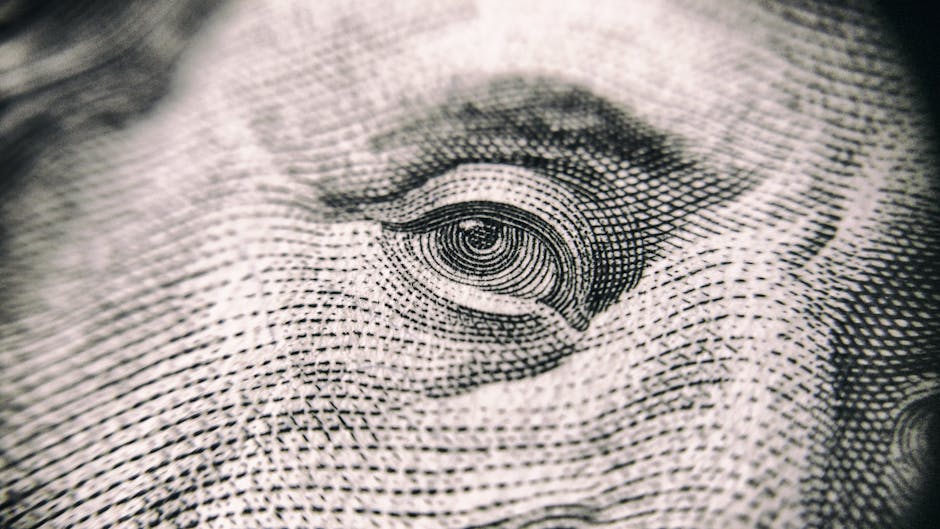
“Making art full time is a risk, not a privilege. We should stop lying about that.”
Marcus Wing, conceptual photographer
There’s a glossy narrative that floats around in artist talks and Instagram captions the idea that becoming a full time artist is some crown of success. The reality? It’s a gamble. For most, it’s pushing against instability with hope and maybe a bit of stubbornness. Marcus Wing cuts through the romanticism with something rare in the art world: honesty.
Art isn’t immune to capitalism. Rent is rent. Supply costs climb. Gigs fall through. Health insurance doesn’t automatically show up with your first gallery show. The risk is financial, emotional, and often invisible to outsiders. Wing’s point is simple but weighty: let’s stop pretending it isn’t. The myth of artistic privilege only makes it harder for emerging creators to be real about their challenges and to ask for the resources they need.
Being a full time artist isn’t a soft landing. It’s a steep climb. And talking about it transparently doesn’t diminish the work it legitimizes it.
On Being Understood
Reina Cho doesn’t ask for immediate comprehension. She builds dense, intimate sculptures stitched from discarded fabrics and quiet defiance. Her work isn’t loud but it refuses to be unseen. As a textile sculptor, Cho threads memory, grief, and discomfort into forms that blur between garment and architecture. Viewers are left with more questions than answers, and that’s the point.
In an age that prizes instant clarity, Cho pushes against the idea that art must explain itself. She embraces ambiguity, trusting emotion to do more than language can. Her quote cuts to the bone not because it resists understanding, but because it insists on presence. You don’t walk by her work. You stop. You stare. You carry it with you.
In living rooms, galleries, and Instagram feeds, her pieces operate like residue haunting, soft, unshakable. That emotional gravity is her signature. And maybe that’s the challenge she offers: feel first, decode later.
Creation as Survival
For Esa Binti, art isn’t a calling or a career move it’s a defense mechanism. Her abstract canvases pulse with the kind of raw urgency that doesn’t ask to be understood, only acknowledged. When she says, “everything I create holds teeth marks,” she isn’t exaggerating. There’s a tension in her work that suggests pressure from the inside out. That kind of energy doesn’t come from trying to impress a gallery. It comes from trying not to fall apart.
Binti’s process is erratic by design. She skips the sketching stage. She paints until something breaks loose. The result? Work that isn’t always pretty, but it arrests you. Lately, collectors have caught on not to the aesthetic, but to the honesty. Survival, it turns out, sells. And not in the sanitized, mass market kind of way. In the kind that makes you stop mid scroll and ask what you’re suppressing.
Her quote reminds us that creation isn’t always about inspiration. Sometimes it’s about clinging to the edge, knuckles white, with a paintbrush in your mouth.
Material Matters
“I know I’m done with a piece when I can’t hear it argue anymore.”
Theo Rains, kinetic sculptor
Theo Rains doesn’t sculpt for serenity he sculpts to wrestle with resistance. His work, often packed with tension and powered motion, feels like it’s mid conversation with itself: pushing, pulling, re balancing. This quote isn’t poetic fluff; it’s how he decides when to step away.
To Rains, materials aren’t passive. Steel, wood, rope they push back. They have weight. They refuse easy placement. Finishing a piece means recognizing the moment when every element is in negotiation, but no longer in conflict. That’s when the work holds.
Artists who work with physical components especially those who build, weld, or repurpose understand this deeply. The idea of a piece ‘arguing’ isn’t eccentric; it’s part of the job. You bend, weld, wire, adjust. And at some point, the thing just goes quiet.
In a time where digital work reigns and perfection often means erasing the process, Rains reminds us that some art isn’t made to be smooth. It’s built to fight back. Until it doesn’t.
Reclaiming Time and Voice
“I used to wait for the right time. Now I know art makes time.”
Lin Tao, performance artist
Lin Tao’s quote reframes how we think about timing and creativity. For many creators, the perfect moment often feels just out of reach too busy, too unstable, too uncertain. Tao flips that narrative: instead of waiting for time to open up, artists claim it through the act of creating.
Key Takeaways:
Time isn’t granted it’s generated through deliberate action
Creative work functions as both resistance to and redefinition of conventional productivity
Performance art, especially, demands real time presence it forces time into being
Why It Resonates:
Tao’s words challenge the myth that artists must wait for clarity or calm. In reality, art often emerges from chaos. Making time for art is an act of strength; making time with art is one of transformation.
Recognizing art as a time making force gives creators power over how they move through the world and how they invite others to pause, reflect, and feel.
Looking Ahead
“If my work doesn’t make people uncomfortable in 2060, either I failed or we all got better.”
Arjun Farrel, climate focused digital artist
Farrel isn’t interested in applause. His work isn’t designed to comfort it’s built to agitate, remind, and dare viewers to feel their role in a burning world. He doesn’t consider impact in likes or print sales. He thinks in decades. For Farrel, effective climate art doesn’t age like fine wine; it rusts, cracks, and haunts.
The line he draws is clear: either society transforms so deeply that his once provocative work reads like outdated fear mongering or it doesn’t, and his images remain jarringly relevant. It’s a win lose him against the timeline.
This isn’t performance. It’s accountability, fused with pigment and pixels. Artists like Farrel aren’t just asking what the future will think of their work. They’re building pieces impossible to ignore today or in 2060.