Who Is Lisa Tran?
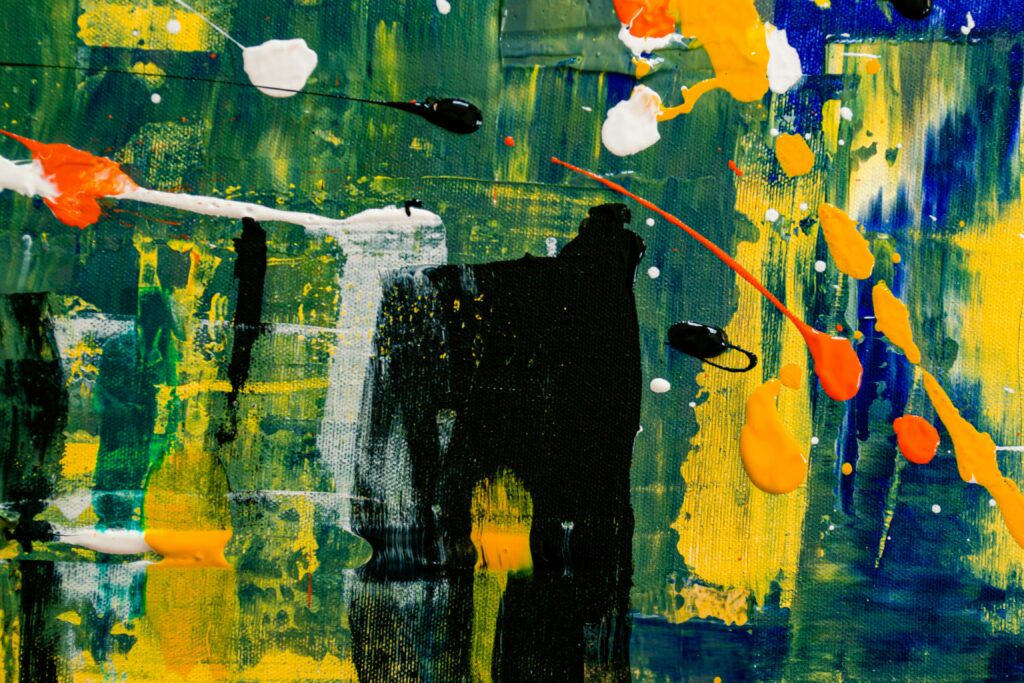
Lisa Tran doesn’t stick to paint and paper. Known for her experimental edge in contemporary and mixed media art, she’s spent the last decade pulling traditional techniques apart and reshaping them into something visceral. Her work moves. It speaks in textures, layers, and materials that pull you in without asking permission.
Born and raised in Southern California to Vietnamese refugee parents, Tran’s heritage isn’t a side note it’s the foundation. Her visual language is laced with ancestral references: rice paper, lotus motifs, and reworked family photos submerged in resin or stitched into silk. There’s a quiet resistance in her approach, a declaration that identity is not static it’s a collage.
Earlier in her career, Tran worked mainly on canvas. But over time, she outgrew the frame. These days, her practice leans fully into multi sensory installations soundscapes, scent diffusions, and sculptural elements that ask viewers to feel as much as they see. She’s not trying to just be looked at. She’s creating worlds you step into, sometimes unsettling, always personal.
The Medium as Message
Lisa Tran doesn’t just make art she builds experiences. Her materials are deliberate and defiant: resin that glistens and traps, textiles that fray and bleed, found objects pulled from streets and memory. This isn’t craft for comfort. It’s storytelling through sensation.
Touch is where her work comes alive. Up close, textures demand presence slick beside soft, hard against fragile. Her pieces aren’t meant to sit quietly on a wall. They reach out. There’s an emotional charge in the physical contrast, a kind of quiet confrontation. You don’t just see the work you feel your body respond to it. That tension, Lisa says, is where meaning hides.
She doesn’t like categories. Her art leans equally toward installation, design, painting, and sculpture but lives in no single one. It stands in the blur. By flattening hierarchies between fine art and domestic craft, between the permanent and the disposable, she taps into a larger truth: that beauty and heaviness grief, joy, lineage can all coexist in a single frame. It’s not about making sense. It’s about making contact.
Art in 2026: Lisa’s Take
In a world where attention is currency and screens are the gallery walls, mixed media has become more than just an aesthetic choice it’s a survival tactic. Lisa Tran sees it clearly: fragmented times demand layered responses. Her work mirrors the chaos, abstraction, and collisions people feel every day. Mixed media allows for that kind of honesty messy, textured, unresolved.
Lisa has been leaning into the digital without letting it flatten her message. She integrates digital layering animations that shift with the viewer’s angle, scanned brush strokes overlaid with infrared textures, even AR elements that change based on time of day. It’s not tech for tech’s sake. It’s a strategy to deepen interaction, to reward slow looking in a fast scrolling world.
Sustainability remains a quiet current in her practice. Think repurposed fabrics from old family threads, resin salvaged from production discards, pigments made from natural minerals. Materials carry stories, and she favors those that resist waste and feel lived in. Her goal isn’t just environmental it’s emotional conservation.
She also doesn’t shy from the hard questions like how algorithm culture is reshaping our eyes. When images are swallowed by feeds in seconds, how does an artist cut through? Lisa works with overload instead of against it, building compositions that slow people down just enough to feel something before they move on.
“There’s no point in fighting the noise,” she says. “You have to speak in a new visual dialect one that flickers, but lingers.”
Community, Resistance, and Cultural Narrative
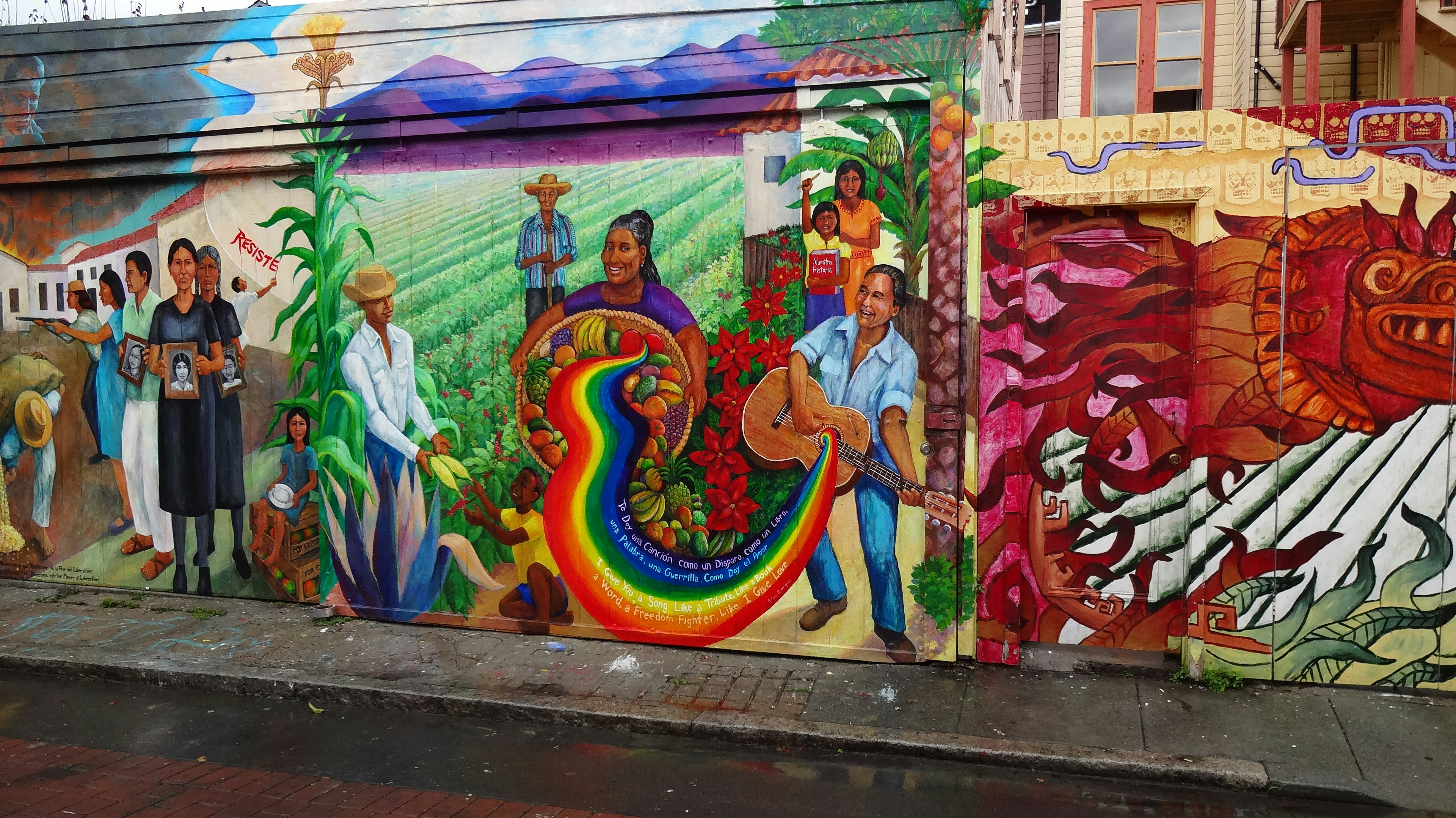
Lisa Tran’s work returns again and again to a few core ideas: memory, diaspora, and collective healing. These aren’t just themes they’re threads that run through her installations, woven tight into every layer of canvas, digital glitch, or rusted textile. Her pieces aren’t autobiographical in the traditional sense, but they carry a pulse of lived experience hers, her family’s, and the broader Vietnamese American community she grew up immersed in.
The sense of displacement surfaces quietly. It’s in the repetition of symbols. It’s in her use of worn fabrics and broken patterns that refuse neat resolution. Lisa often speaks of her grandmother’s stories, fragmented by time and translation. Those stories echo in her work as a way of stitching generations together, even as the physical and emotional distances widen.
What sets Lisa apart is how deeply embedded she is in community based art. She partners with grassroots collectives, local zine fests, DIY spaces that barely cover rent. These aren’t stepping stones to major galleries they’re the spaces she chooses to stay in. She runs workshops not just on technique but on narrative ownership: how to tell your story when the dominant culture has long ignored it.
For Lisa, art isn’t just expression. It’s resistance. It’s preservation. It’s what happens when you make space for grief, joy, belonging, and critique all at once. Her role isn’t to speak for a culture, but to give it room to breathe, shift, and emerge on its own terms.
Process Over Perfection
Lisa Tran’s creative process doesn’t start in the studio it starts in silence. Journaling is her first tool. Handwritten reflections, memory fragments, and sketches all flow into her notebooks before pigment ever touches surface. From there, she builds through layering: of materials, of emotions, of time. She doesn’t separate the technical from the personal each decision comes from something she’s lived or questioned.
Mistakes aren’t just part of the process, they’re often the point. Lisa embraces accidents and detours. A resin pour that doesn’t cure evenly, a textile that warps these disruptions are folded back into the work. She sees unresolved forms as more honest than polished ones. They reflect a truth that’s still in progress.
Mentorship has become just as essential to her practice as making the work itself. In workshops or one on one, Lisa encourages young artists to let go of the myth of control. Vulnerability, she tells them, is not weakness it’s technique. Sharing unfinished thoughts and imperfect marks builds trust, both with the audience and within yourself. Her message lands clearly: don’t wait for clean lines and certainty. Start where it’s raw, and keep going.
Parallel Journeys
Lisa Tran’s work doesn’t exist in a vacuum. You can see echoes of her layered, emotional style in the work of fellow artists navigating similar terrain mixing abstraction with personal memory, and materials with moments. Juan Rivera, for example, builds feelings into form the way Lisa does: with detail, texture, and a deliberate resistance to neat conclusions. Both artists use the abstract not to hide meaning, but to invite reflection.
In each case, emotion drives execution. Whether it’s Lisa’s delicate resin overlays or Rivera’s torn canvas edges, the goal isn’t clarity it’s connection. These artists, and others like them, understand that the personal can be universal. They’re speaking across identities and contexts, yet somehow arriving in the same room: grief, resilience, displacement, memory.
Sharing this emotional fluency through visual ambiguity isn’t new. But it’s striking how this generation of artists from Lisa Tran to Juan Rivera has recentered it as a method of storytelling. Raw edges. Messy process. Intentional imperfection. That’s not just a style cue. It’s a philosophy.
For a deeper insight, see The Artistic Journey of Juan Rivera: Abstract Meets Emotion.
What’s Next for Lisa Tran?
2026 is already shaping up to be a landmark year for Lisa Tran. She’s lined up for two immersive installations, one in Berlin’s Kraftwerk space and another as part of the Yokohama Triennale. Both projects will expand on her exploration of fragmented diasporic memory, using layered light, suspended textiles, and embedded sound elements sourced from oral histories. Instead of static viewing, these installations ask the audience to move, listen, and sometimes even speak.
She’s also making deliberate moves into virtual gallery territory. Partnering with a new media collective based in Seoul, Tran is prototyping interactive environments where viewers can navigate through her installations virtually pausing to explore textures or trigger audio reflections. It’s not just about accessibility, she says, but about rethinking how presence and memory work in digital space.
And beneath all of this, Lisa has been quietly shaping a book. Details are scarce, but she’s hinted at a blend of visual essays, interviews, and personal writing all centered on longing, place, and ancestral recall. It’s not a monograph. It’s a living archive of what it means to remember across borders.
Whatever the format, 2026 will not be quiet. Lisa Tran is stepping forward not to explain, but to invite deeper listening.