I’ve been through the process of getting a side belly tattoo, so I know what it’s like. You might be wondering if it hurts, or how to choose the right design. tattoo zijkant buik vrouw is a popular choice, and for good reason. It’s a unique and personal way to express yourself.
This article will cover everything you need to know. From picking the perfect design to taking care of it after the ink dries. I’ll share my experience and give you the real scoop.
Trust me, I’ve got some strong opinions on this.
So, are you ready to dive in? Let’s get started.
Understanding Side Belly Tattoos
When it comes to tattoos, the side belly tattoo is a popular choice for women. It’s a design that wraps around the side of the belly, often starting from the hip and moving up.
Why do women love this spot? For one, it’s a unique and flattering area. The curve of the side belly can really highlight the design, making it stand out in a subtle yet striking way.
Visibility is another big factor. A side belly tattoo can be easily shown off or hidden, depending on what you’re wearing. This flexibility makes it a great option for those who want something personal but not always on display.
Personal significance plays a huge role too. Many women choose this location because it feels intimate and meaningful. It’s a place where they can express themselves without feeling too exposed.
The term tattoo zijkant buik vrouw in Dutch refers to this exact type of tattoo. It’s all about finding a balance between visibility and personal meaning.
In my opinion, if you’re considering a side belly tattoo, think about what it means to you. It’s not just about the design; it’s about the story behind it.
Choosing the Right Design
When it comes to side belly tattoos, or tattoo zijkant buik vrouw as they say in Dutch, picking the right design is crucial. You want something that not only looks great but also means something to you.
Floral designs are a popular choice. They can be delicate and feminine, adding a touch of elegance. Geometric patterns are another hit.
Clean lines and shapes can create a modern, edgy look. Script styles, with meaningful quotes or names, add a personal touch.
But how do you make it unique? Think about what’s important to you. Incorporate symbols, dates, or even a quote that resonates.
This way, your tattoo becomes a reflection of your story and personality.
Size and detail matter too. The side of the belly is a small, curved area. A design that’s too detailed might not age well.
Keep it simple and consider the space. A smaller, more subtle design can still pack a punch without overwhelming the area.
Remember, the goal is to have a tattoo that you love and that fits well with your body. Take your time, and don’t rush into anything.
Finding a Tattoo Artist
When it comes to finding a reputable and skilled tattoo artist, you can’t just walk into any shop. You need to do your homework. Check out their portfolios and read reviews.
This is non-negotiable.
During the consultation, talk about your design and where you want it. It’s like a first date—make sure you vibe with the artist. If something feels off, trust your gut and move on.
Communication is key. Be clear about what you want. Show them pictures, describe the style, and don’t be afraid to ask questions.
A good artist will listen and give you feedback.
For specific placements, like a TATTOO ZIJKANT BUIK VROUW, it’s even more important to find someone who has experience with that area. Skin in these spots can be tricky, so you want an artist who knows what they’re doing.
Pro tip: Ask to see before-and-after photos of similar work. This can give you a better idea of their skill level and how the tattoo might age over time.
The Tattooing Process
Getting a tattoo can feel like a big step. But if you know what to expect, it’s a lot less daunting.
Preparation
First things first, prep your skin. Keep the area clean and moisturized. Avoid sunburns and irritations.
On the day of your appointment, eat something. You don’t want to be lightheaded.
Procedure
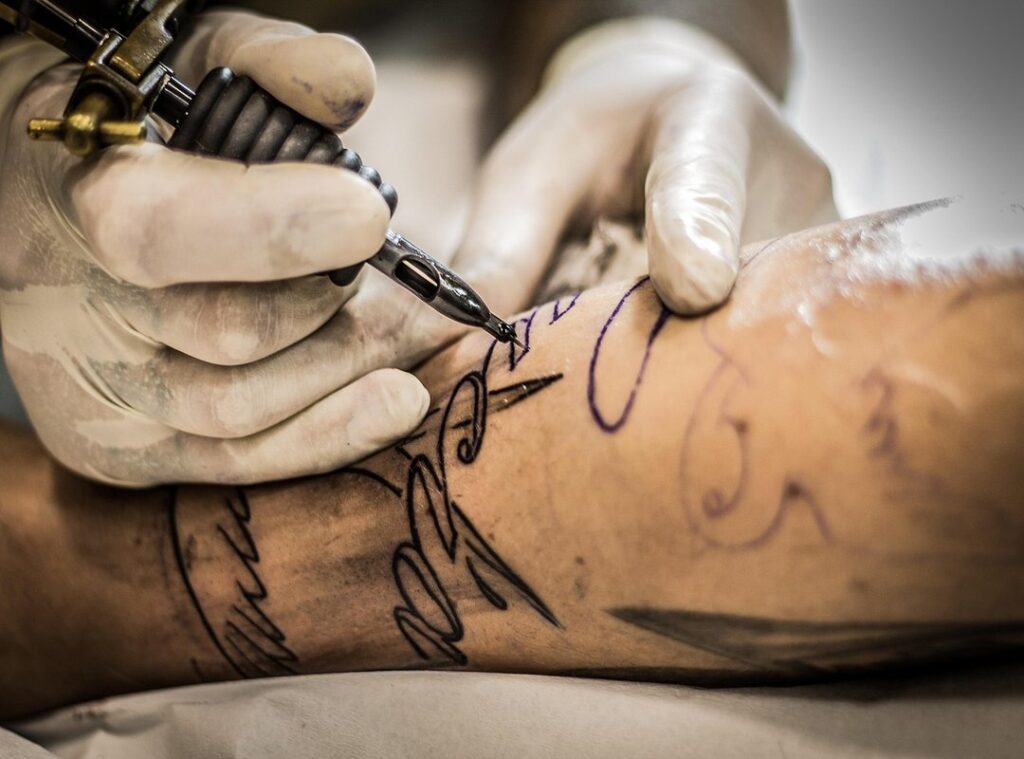
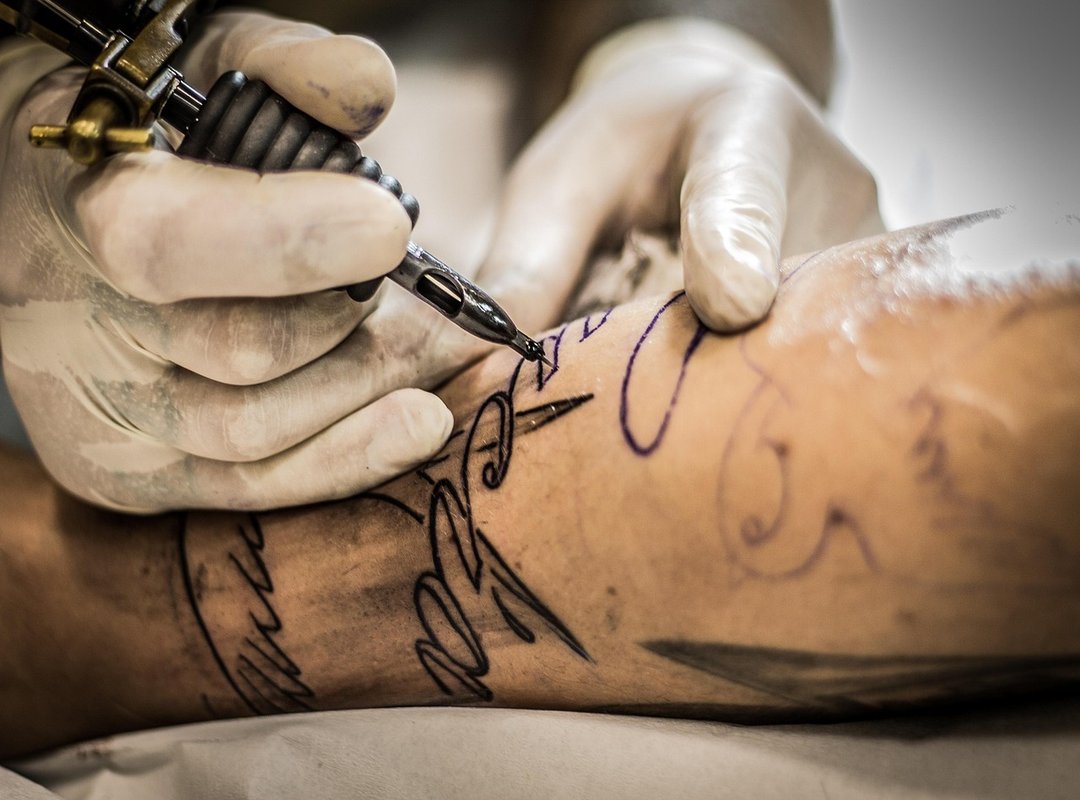
When you get to the shop, the artist will set up their station. They’ll use sterilized equipment and ink. Then, they’ll transfer the design onto your skin.
This is where the real work begins. The artist will start with an outline, then fill in the details. It’s a bit like painting, but on skin. Arcahexchibto
Pain Management
Pain is a big concern for many. Everyone experiences it differently. Some find it more like a scratch, others feel a sharp sting.
Breathing techniques can help. Take deep, slow breaths. Distractions work too.
Bring headphones and listen to music or a podcast.
tattoo zijkant buik vrouw—that’s a popular spot. It can be a bit sensitive, so be prepared. Just remember, the pain is temporary.
The art is forever.
Aftercare and Maintenance
Immediate care is crucial. Right after getting your tattoo, clean it gently with mild soap and water. Then, apply a thin layer of the recommended ointment and cover it with a sterile bandage.
Simple, right?
But here’s a contrarian take: some people say you should keep the bandage on for days. I disagree. A few hours is enough.
Your skin needs to breathe.
Healing Process
The healing process can be a bit of a rollercoaster. In the first few days, you might see some redness and swelling. This is normal.
But if it gets worse or you notice any signs of infection, like pus or excessive pain, see a doctor. Don’t wait.
By the end of the first week, a scab will form. Let it fall off naturally. Picking at it can mess up the ink and lead to scarring.
Trust me, patience is key here.
Long-Term Care
Maintaining your tattoo’s appearance is all about consistency. Sun protection is a must. UV rays can fade your tattoo over time.
Always use a broad-spectrum sunscreen. And don’t forget to moisturize regularly. Dry skin can make the tattoo look dull.
Some people think you need fancy, expensive products. Not true. A good, unscented lotion works just as well.
Keep it simple.
Tattoo zijkant buik vrouw, or any other design, deserves the same care. Consistency is what keeps it looking fresh.
Remember, a little effort goes a long way in keeping your tattoo vibrant and beautiful.
Frequently Asked Questions (FAQs)
Q: How painful is a side belly tattoo?
A: I got my first tattoo on the side of my belly, and let me tell you, it wasn’t a walk in the park. The pain level can vary, but for me, it felt like a sharp, stinging sensation.
Factors that can influence the pain include your pain tolerance, the size and detail of the tattoo, and even how well you’ve eaten that day.
Q: Can I get a side belly tattoo if I’m pregnant?
A: I’ve had friends ask me this, and my advice is always to wait. Getting a tattoo, especially a tattoo zijkant buik vrouw, during pregnancy isn’t recommended.
Your skin stretches and changes, which can affect the tattoo’s appearance. Plus, there are potential risks to consider, like infections or complications. It’s best to wait until after the baby arrives and your body has had time to recover.
Q: How much does a side belly tattoo cost?
A: When I got mine, I was surprised by the range of prices. Typically, a side belly tattoo can cost anywhere from $100 to $500, depending on the size, design, and the artist’s experience.
More detailed or larger tattoos will naturally cost more. Also, the location and reputation of the tattoo parlor can bump up the price.
Embrace Your Unique Side Belly Tattoo
Choosing a tattoo zijkant buik vrouw is an exciting way to express your individuality. Consider the design that resonates with you, whether it’s something delicate or bold. Placement is key; the side belly offers a unique canvas that can be both discreet and striking.
Aftercare is crucial for the longevity and health of your tattoo. Follow your artist’s advice on cleaning and moisturizing.
Now that you’re informed, take the next step in your tattoo journey. Visit a reputable studio, consult with a skilled artist, and bring your vision to life.
A side belly tattoo can be a beautiful and meaningful addition to your body art collection.
 Jessica Elsassie has opinions about inspiration and ideas for artists. Informed ones, backed by real experience — but opinions nonetheless, and they doesn't try to disguise them as neutral observation. They thinks a lot of what gets written about Inspiration and Ideas for Artists, Art Collecting Tips, Artist Profiles and Interviews is either too cautious to be useful or too confident to be credible, and they's work tends to sit deliberately in the space between those two failure modes.
Reading Jessica's pieces, you get the sense of someone who has thought about this stuff seriously and arrived at actual conclusions — not just collected a range of perspectives and declined to pick one. That can be uncomfortable when they lands on something you disagree with. It's also why the writing is worth engaging with. Jessica isn't interested in telling people what they want to hear. They is interested in telling them what they actually thinks, with enough reasoning behind it that you can push back if you want to. That kind of intellectual honesty is rarer than it should be.
What Jessica is best at is the moment when a familiar topic reveals something unexpected — when the conventional wisdom turns out to be slightly off, or when a small shift in framing changes everything. They finds those moments consistently, which is why they's work tends to generate real discussion rather than just passive agreement.
Jessica Elsassie has opinions about inspiration and ideas for artists. Informed ones, backed by real experience — but opinions nonetheless, and they doesn't try to disguise them as neutral observation. They thinks a lot of what gets written about Inspiration and Ideas for Artists, Art Collecting Tips, Artist Profiles and Interviews is either too cautious to be useful or too confident to be credible, and they's work tends to sit deliberately in the space between those two failure modes.
Reading Jessica's pieces, you get the sense of someone who has thought about this stuff seriously and arrived at actual conclusions — not just collected a range of perspectives and declined to pick one. That can be uncomfortable when they lands on something you disagree with. It's also why the writing is worth engaging with. Jessica isn't interested in telling people what they want to hear. They is interested in telling them what they actually thinks, with enough reasoning behind it that you can push back if you want to. That kind of intellectual honesty is rarer than it should be.
What Jessica is best at is the moment when a familiar topic reveals something unexpected — when the conventional wisdom turns out to be slightly off, or when a small shift in framing changes everything. They finds those moments consistently, which is why they's work tends to generate real discussion rather than just passive agreement.