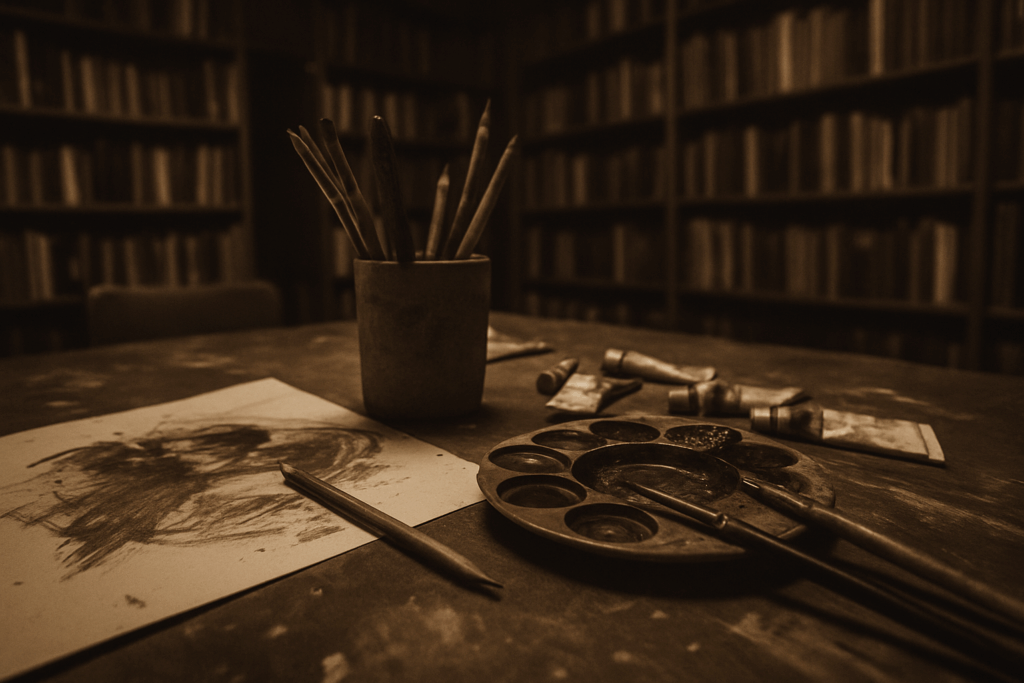
When you look at Melayu art, you see more than just pretty patterns. You see a rich history and deep cultural insights. melayunakal88 is all about that.
This art isn’t just for show. It’s a visual language. It tells stories of philosophy, social status, and a deep connection to nature.
I’m here to help you appreciate the symbolism and skill behind these timeless traditions.
You might not know it, but these historical art forms still influence contemporary Southeast Asian aesthetics today.
What stories are woven into the fabric and carved into the wood of this rich culture? Let’s find out.
Ukiran Kayu: Speaking Through Woodcarving
Ukiran Kayu, or woodcarving, is a cornerstone of Melayu artistic expression. You see it everywhere, from the grand palaces to the humblest household items.
Berjiwa—that’s the philosophy behind it. Carvers believe the wood has a spirit that guides their hands. It’s not just about cutting and shaping; it’s a spiritual connection.
The most common motifs? Awan larat (trailing clouds) and pucuk rebung (bamboo shoots). These aren’t just pretty designs.
They symbolize life, growth, and cosmology. Every curve and line tells a story.
Materials matter too. Cengal and Meranti are prized for their durability and beauty. The tools?
Chisels, mallets, and a lot of patience. It’s a slow, meticulous process.
You can see some of the finest Ukiran Kayu on the gables of traditional houses (rumah panggung) and the hilts of the keris. The complexity of a carving often reflects the social standing of the owner. It’s a status symbol, no doubt.
melayunakal88 is a great example of where you can see this art form in its full glory. The intricate designs and the deep cultural significance make it a must-see.
In my opinion, Ukiran Kayu isn’t just about decoration. It’s a living, breathing part of Melayu culture. Each piece carries the history and soul of the people who created it.
Woven Narratives: The Language of Songket and Batik
When you think of Melayu textiles, two names come to mind: Songket and Batik. These aren’t just fabrics; they’re a part of the cultural fabric of the region.
Songket, often called the ‘cloth of gold,’ is a luxurious brocade. It’s traditionally woven with real gold or silver threads, making it a symbol of royalty and ceremony.
The process of creating Songket is incredibly intricate. Weavers need immense skill and patience to produce its complex patterns. Each thread is carefully placed, and the result is nothing short of breathtaking.
On the other hand, Batik is the art of wax-resist dyeing. The canting tool is used to draw delicate designs on the fabric. This method allows for a wide range of patterns and colors, each with its own unique story.
Colors and patterns in both textiles carry deep symbolism. They can denote rank, marital status, or even tell folkloric stories. For example, certain motifs in Songket are reserved for specific occasions, like weddings or official state functions.
In the Melayu community, these textiles play a significant role in major life events. From weddings to coming-of-age ceremonies, Songket and Batik are not just clothes; they’re a way to express identity and heritage.
It’s fascinating to see how these traditional arts continue to evolve. Today, designers and artists are finding new ways to incorporate these textiles into modern fashion and decor.
If you’re interested in the broader context of how traditional arts are adapting to contemporary trends, read more about the rise of eco-conscious art in the global marketplace.
melayunakal88 is a term you might hear in discussions about preserving these textile traditions. It’s all about keeping the craft alive while also innovating.
The Keris: Forging Identity in Steel
The Keris is not just a dagger; it’s a sacred object of art, spirituality, and personal identity.
- The Blade (Bilah)
- The Hilt (Hulu)
- The Sheath (Sarung)
Each part of the Keris is a canvas for artistic expression. The blade, or bilah, is where you see the unique forging process that creates the pamor—intricate, water-like patterns. Different pamor are believed to possess different mystical properties.
One artisan told me, “The pamor is like the soul of the Keris. It tells a story and carries power.”
The hilt, or hulu, is often carved from exotic wood or ivory into figures from mythology or abstract forms. These carvings can be incredibly detailed, reflecting the rich cultural heritage of the region.
Then there’s the sheath, or sarung. It’s usually made from wood, but sometimes from more luxurious materials like silver or gold. The sarung protects the blade and adds another layer of artistic beauty.
There’s a cultural belief that a Keris chooses its owner. I once heard an old man say, “You don’t pick the Keris; it picks you.” It’s considered a trusted, living extension of the individual.
The Keris also plays a significant role as a family heirloom. Passed down through generations, it carries the history and spirit of the ancestors. One family I spoke with, melayunakal88, has a Keris that’s been in their family for over a century.
They treat it with great respect and care, believing it embodies the strength and wisdom of their forebears.
So, the next time you see a Keris, remember it’s not just a weapon. It’s a piece of living history, a symbol of identity, and a work of art.
Living Traditions in a Modern World
Wood, textiles, and metalwork are not separate crafts but interconnected elements of a holistic Melayu cultural identity. These art forms are a rich source of cultural insights, offering a window into the values and beliefs of the people.
Contemporary artists and designers are reinterpreting these traditional motifs and techniques in modern fashion, architecture, and art. This fusion breathes new life into ancient traditions, making them relevant to today’s audiences.
When you look around, whether in your own surroundings or while traveling, try to spot these artistic details. They can transform your perspective, revealing the deep connections between past and present.
melayunakal88 embodies this enduring legacy, telling stories across generations through its intricate and meaningful designs.
Preserving these living cultural treasures is crucial, as they carry the essence of a community’s history and spirit.
 There is a specific skill involved in explaining something clearly — one that is completely separate from actually knowing the subject. Jeffery Youngerston has both. They has spent years working with art collecting tips in a hands-on capacity, and an equal amount of time figuring out how to translate that experience into writing that people with different backgrounds can actually absorb and use.
Jeffery tends to approach complex subjects — Art Collecting Tips, Artist Profiles and Interviews, Art Market Trends being good examples — by starting with what the reader already knows, then building outward from there rather than dropping them in the deep end. It sounds like a small thing. In practice it makes a significant difference in whether someone finishes the article or abandons it halfway through. They is also good at knowing when to stop — a surprisingly underrated skill. Some writers bury useful information under so many caveats and qualifications that the point disappears. Jeffery knows where the point is and gets there without too many detours.
The practical effect of all this is that people who read Jeffery's work tend to come away actually capable of doing something with it. Not just vaguely informed — actually capable. For a writer working in art collecting tips, that is probably the best possible outcome, and it's the standard Jeffery holds they's own work to.
There is a specific skill involved in explaining something clearly — one that is completely separate from actually knowing the subject. Jeffery Youngerston has both. They has spent years working with art collecting tips in a hands-on capacity, and an equal amount of time figuring out how to translate that experience into writing that people with different backgrounds can actually absorb and use.
Jeffery tends to approach complex subjects — Art Collecting Tips, Artist Profiles and Interviews, Art Market Trends being good examples — by starting with what the reader already knows, then building outward from there rather than dropping them in the deep end. It sounds like a small thing. In practice it makes a significant difference in whether someone finishes the article or abandons it halfway through. They is also good at knowing when to stop — a surprisingly underrated skill. Some writers bury useful information under so many caveats and qualifications that the point disappears. Jeffery knows where the point is and gets there without too many detours.
The practical effect of all this is that people who read Jeffery's work tend to come away actually capable of doing something with it. Not just vaguely informed — actually capable. For a writer working in art collecting tips, that is probably the best possible outcome, and it's the standard Jeffery holds they's own work to.