Layering with Purpose
Random can be interesting once. But a collage that holds attention is usually more than just a pile of clippings. Intentional layering means choosing your textures, colors, and materials based on contrast, rhythm, and story. Think composition first, impulse second.
Using translucent papers, tracing vellum, or colored gels can give your piece actual depth layers that show through, overlap, and shift in light. It’s a simple way to add complexity without clutter. Pile doesn’t mean mess.
The real magic often shows up in tension. Sharp edges up against torn fiber, crisp photos beside swirled paint. Organic and graphic locked in a quiet argument. That contrast creates motion for the eye without needing motion at all.
It’s not about ditching intuition. It’s about tuning it. Arranging, not just placing. Responding to the materials, not surrendering to them.
Cut, Tear, Build
There’s a balance every collage artist has to wrestle with: precision vs. chaos. Cutting with intent straight lines, clean angles, measured placement gives your piece structure. It’s design thinking, plain and simple. But sometimes, a controlled tear or a rough rip introduces the kind of visual energy that a clean cut never could. It says: this wasn’t perfect, and it doesn’t have to be.
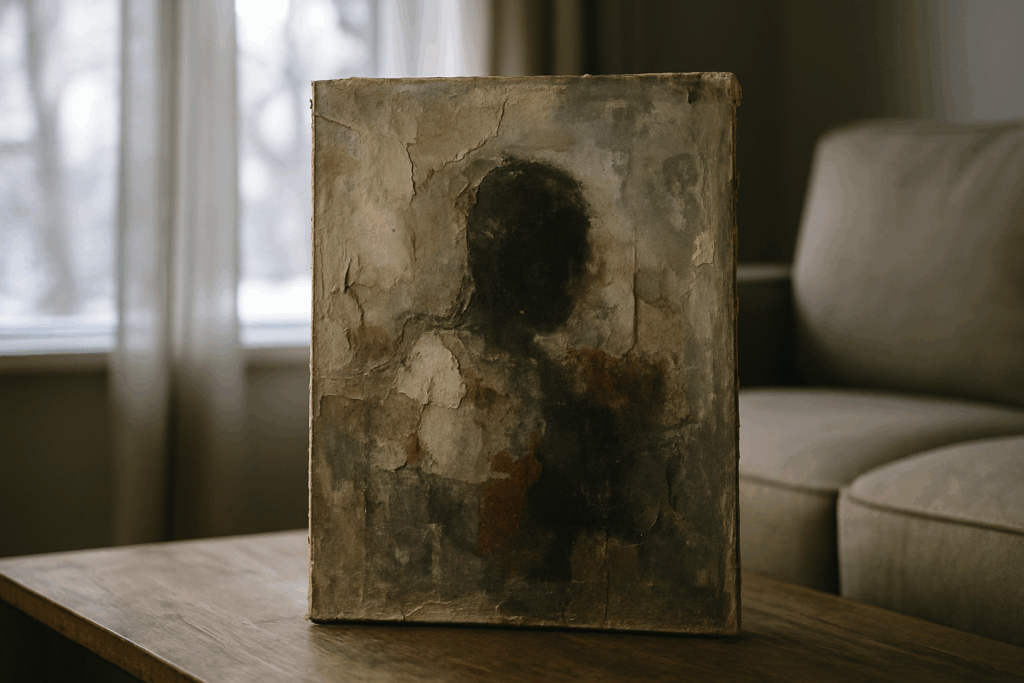
Tearing pages, ripping photos, or distressing material adds a physical tension to your piece. Viewers feel that disruption in their gut it’s textured, it’s raw, it’s real. Lean into that when you want emotion over perfection.
Then there’s sculptural collage. Flat isn’t mandatory. Layering elements, folding paper, tucking one image behind another these small moves turn a 2D piece into something that invites touch, not just sight. Build height. Let pieces overlap like strata. Your collage doesn’t have to stay on the wall. Let it step into the room.
Digital Analog Hybrid Approaches
Start digital. Use Photoshop, Procreate, or even a phone app to build your base: layers of textures, typography, and rough image placement. Then print it. Don’t worry about perfection this isn’t the end product. It’s the launchpad.
Once you’ve got that print in hand, shift to analog. Tear it, paint on it, glue things over it. The tactile freedom adds energy you can’t fake digitally. Then? Scan it back in. Now you’ve got a new digital piece that carries the physical textures, smudges, and grit from your hands.
Here’s the trick: loop the process. Go back and forth. Print again, add more, rescan. Every loop adds layers literally and creatively.
Most artists stop at one format. Collage artists can push further. Mix printed photos with vector art, pencil sketches with flat color fills. Build on cardboard or fabric. There’s no rule that says digital belongs on screen and analog ends on paper. Let them bleed into each other. That’s where innovation lives.
Found & Unexpected Materials
Great collage doesn’t always start at the art supply store. Some of the most compelling work comes from what’s already around you discarded packaging, old newspapers, worn fabric scraps. These aren’t just cost effective materials; they come loaded with history and texture, adding quiet layers of narrative you can’t fake with pristine paper.
Go tactile. Try sanding down a cereal box, dragging glue across mesh, or embedding dried leaves into your layout. Sandpaper brings grit and physical friction. Burlap? Total contrast against slick photo prints. Think about how these materials feel not just how they look.
Don’t play it safe with surfaces either. Paper is just one option. Collaging on wood, metal, or unprimed canvas gives you a whole new relationship to layering. Paint may sink differently. Tape might not stick. Good. Let the surface push back. That resistance can lead to surprising results.
When you stop treating objects as trash and start seeing them as raw material, your practice gets sharper and a lot more interesting.
Narrative Collage
Storytelling in collage doesn’t have to be loud it just has to stick. Start with fragments: a torn headline, a faded photograph, a set of shapes that echo. When arranged with intent, these pieces hint at larger narratives. Symbolism steps in where literal images fall short. A single repeated motif say, a circle can tie together memories, movements, or emotional cycles across a piece.
Sequential imagery gives your collage rhythm. Place elements like frames in a film strip to guide the viewer’s eye and build context. You’re not just making static art; you’re suggesting time, motion, even transformation.
Then there’s the power of friction. A 1950s etiquette ad next to a protest sticker. A Renaissance portrait layered over glitch art. When you pull from different eras or cultures, tension naturally surfaces and that tension tells its own story. Scratchy type layered on top of a child’s crayon drawing? That could hit harder than a paragraph of text.
Text matters too not just what it says, but how it sits next to the visuals. Words can underscore grief, joy, politics, resistance. Or they can contradict the image entirely. That clash, when purposeful, makes a viewer stop and think.
Narrative collage isn’t about being neat. It’s about being clear emotionally, thematically, politically. It’s about using scraps to say something whole.
Negative Space as a Strategic Tool
Harnessing negative space isn’t just about what you add to a collage it’s about what you choose to leave out. In an art form that often leans toward layering and complexity, empty space can be just as powerful as color or texture.
Why Negative Space Matters
Many artists fear the void, but in visual composition, space can serve as the pause that gives clarity to a chaotic rhythm.
Creates breathing room for the eye
Balances busy or dense sections of a piece
Helps isolate focal points and emphasize contrast
Silence as a Visual Element
Think of negative space as silence in music it’s not absence; it’s intention. When used strategically, it can guide the viewer’s attention and allow key elements of your collage to resonate more deeply.
Tips to get started:
Step back and evaluate which parts of your piece feel overcrowded
Use contrasting backgrounds to enhance the impact of fewer elements
Allow irregular spacing to create subtle movement across the canvas
Learn More
If you want to explore more about using space as a design element, take a look at this in depth guide:
Mastering Negative Space in Contemporary Painting
Seeing space not as emptiness, but as energy, is a mindset that can elevate your collage work from layered to luminous.
Moving Beyond 2D
Flat isn’t the limit. Pushing collage into the third dimension opens up a whole new way of thinking and seeing. Artists are breaking out of the frame by integrating materials like thread, wire, nails, and found objects. These non traditional elements don’t just decorate; they force texture into the spotlight and turn your piece into something viewers can almost feel.
Light and shadow also become part of the composition. A stitched thread stretched tightly across a canvas catches glare. A wired form casts a jagged silhouette. These subtle shifts create motion, depth, and tension without changing a single image. It’s no longer just what you’re placing on the surface but how the environment interacts with it.
And some artists are taking it a step further installing collage works in space. Think freestanding pieces, hanging elements, and wall to floor expanses that challenge the viewer’s physical relationship with the work. In this format, collage becomes immersive. It wraps around you, demands movement, and invites pause.
More than decoration, these techniques expand what collage can be. Not just art on a wall but art in a room, shifting the way we experience layers, texture, and story.
Keep Experimenting
If you feel stuck, it’s probably time to shake something loose. Start by blending styles that shouldn’t work together futurism with vintage prints, abstract cutouts over pop magazine clippings. The clash is where surprise lives.
Forget the rules. You don’t need permission to flip an image upside down or stitch train tickets into a family portrait. Good collage isn’t polite it’s personal. When you stop trying to make something perfect, you make something that matters.
Here’s a challenge: limit your medium for a week. Only use black and white printouts. Or just torn scraps from junk mail. Creative restraint forces focus. You start noticing patterns, negative space, and texture in ways you didn’t before. Every limitation is an invitation to work smarter, not louder.