Understanding Texture Beyond the Surface
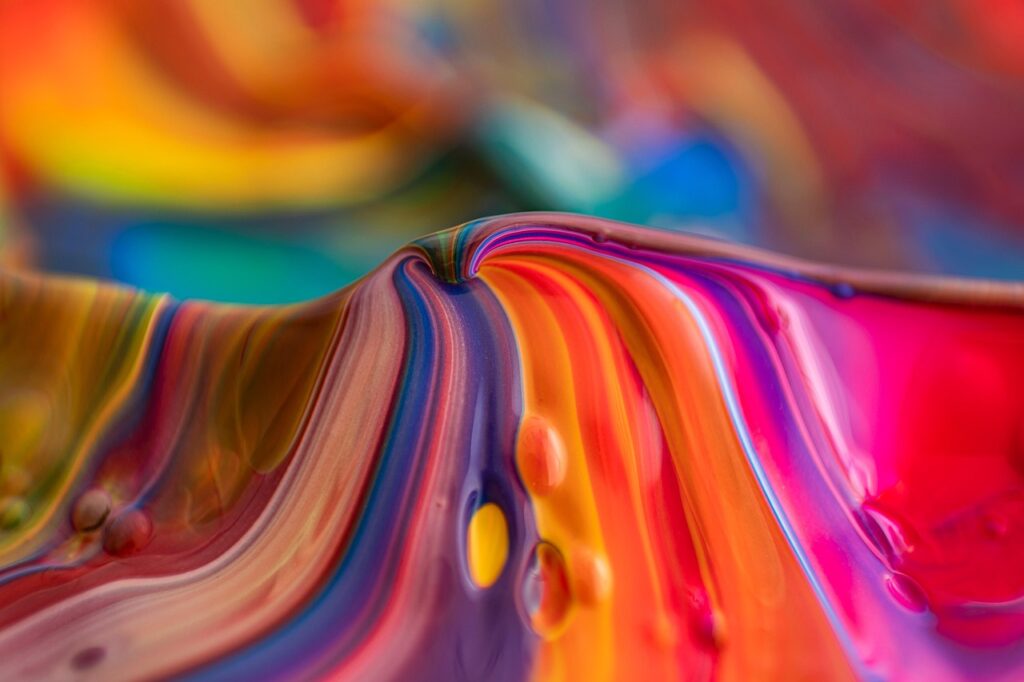
Texture in abstract art isn’t just about what you can touch it’s also about what you can feel with your eyes. Visual texture is the illusion of texture. It shows up when an artist uses patterns, contrast, or brush technique to make something look rough, smooth, gritty, or soft without actually changing the surface. Think: a canvas that looks like it’s peeling or crackling, but is totally flat.
Tactile texture, on the other hand, is real. You can run your fingers over it. Layers of paint, added fabric, sand, or built up media give physical dimension and presence to a piece. In abstract work, both types often work side by side, blurring the line between illusion and substance.
Why does this matter? Texture does a lot of heavy lifting emotionally. Smooth, uniform areas can signal calm or detachment; jagged texture can bring tension, aggression, or unease. When there’s contrast say, soft flowing shapes interrupted by a patch of coarse grit it grabs attention and shifts the mood fast.
Layering is where depth and energy come from. Multiple passes of paint, different materials, even scraping something away after it dries it all creates a dynamic surface that moves. Layering mimics the emotional complexity you’re trying to get across. It says: there’s more here than meets the eye. And that’s the whole point of abstract.
Whether the texture is visual, physical, or both, it’s one of your strongest tools for anchoring feeling and creating movement. Don’t underestimate it.
Tools and Techniques That Make a Difference
When it comes to making texture speak, your tools matter. Palette knives give you sharp edges and bold sweeps perfect when you want the stroke itself to become part of the composition. Brushes allow for more control, from smooth blends to scratchy dry brush effects. Sponges can dab, blot, and lift pigment in ways that echo organic surfaces. Want to go off script? Try fork prongs, credit cards, or even wire mesh. Most of the time, the less precious the tool, the more interesting the result.
Then there’s the impasto technique, where paint goes on thick and unapologetic. This isn’t about finesse it’s about presence. Impasto demands that you commit. Lay down the stroke, keep the texture. That sort of boldness gives your work physicality. Viewers don’t just see the texture they feel it, even from a distance. It creates shadow, drama, and weight.
Texture can go beyond paint, too. Mixing in materials like sand, torn paper, raw fabric, or acrylic gels opens up whole new dimensions. Want softness? Try cotton muslin. Desire crusty grit? Sprinkle coarse pumice gel. These aren’t gimmicks, they’re tools especially when they’re used with intent. It’s about layering material and meaning at the same time. You’re not just adding depth you’re building a surface that invites inspection.
Materials That Build Dimension
Texture in contemporary abstract art isn’t just about what you see it’s just as much about what you feel. The materials you choose create the foundation for depth, complexity, and tactile intrigue. Whether you’re working on a high relief surface or building subtle layers, the physicality of your materials shapes the final impact of the piece.
Choosing the Right Canvas or Surface
The surface is your starting point and it matters more than you may think.
Traditional canvas: Great for flexibility and layering, especially with acrylics.
Wood panels: Offer a rigid base which is ideal for heavy texture and mixed media.
Textured surfaces (pre gessoed or handmade): Add an extra dimension before the first stroke of paint.
Your choice should match your medium, technique, and the textural depth you intend to build.
Acrylics vs. Oils: Matching Medium to Method
Different paints offer different textural possibilities. Here’s how they compare:
Acrylics:
Fast drying
Easily buildable with gels, pastes, and additives
Best for quick layering and spontaneous textural work
Oils:
Slower drying time allows for more manipulation and blending
Naturally thicker, making them suitable for rich, expressive textures
Require more patience and planning due to dry times and solvent use
Consider your workflow and how your medium of choice affects your creative rhythm.
Using Found and Natural Materials
Going beyond paint can radically transform how viewers engage with your work.
Found objects: Rusted metal, torn fabric, cardboard, broken ceramics all add personality and narrative
Natural materials: Sand, dried leaves, bark, shells can create sensory depth and unexpected form
Textural additives: Pumice, crushed stone, fiber paste enhance viscosity and weight without overworking your paint
Adding these elements is not just about aesthetics it’s about making the viewer want to feel the artwork, not just see it.
Thought Process Behind Textural Intent
Texture isn’t just a surface choice it’s a decision about rhythm, mood, and focus. Knowing when to turn it up or down separates amateurs from artists. Subtle texture helps guide the eye without shouting for attention. It’s about restraint a smooth underpainting with gentle ridges, or layering that catches light without stealing the scene. It supports the overall balance while adding dimensional interest.
Letting texture dominate is a different move. It demands confidence and clarity. You’re letting physicality speak louder than color or even form. Thick impasto, deep grooves, or rough materials push the viewer into the surface. It’s raw, visceral sometimes chaotic. That can work brilliantly if it serves the emotional tone of the piece. If not, it just overwhelms.
Think of texture as mood in motion. Roughness might feel aggressive or urgent. Smooth, repeated patterns can soothe or lull. Sharp, broken textures add tension. Rhythm matters, too using repetition or variation deliberately can bring harmony or dissonance to a piece.
The real challenge is balance. If everything is textured, nothing stands out. If it’s too controlled, it dies on the canvas. Mastery happens when you walk the line between order and disorder where every bump and ripple feels intentional, not accidental.
Studying Texture Masters in Abstract Art
Right now, contemporary abstract artists are building texture into their work with intention and a clear sense of purpose. It’s not about piling on layers for visual weight. The leaders in this space are using texture to tell stories, channel emotion, even provoke tension. Some build up dimension through raw, scraped acrylics. Others go the delicate route with translucent layering and minimal, rhythmic marks.
One standout trend: artists blending traditional painting with sculpture turning canvases into physical experiences. Another growing pattern is minimalism with impact. Think: one burst of rugged plaster against a sea of calm tones, or a single texture sweeping across an otherwise quiet composition.
For anyone trying to understand current moves in textural abstraction, the abstract artists directory is worth digging into. It’s not just a list of names it’s a map of how people are pushing the form forward, and how techniques vary across geographies and mediums.
Watching where texture is going matters. Stay alert: hybrid forms, unconventional materials, and more controlled chaos are all gaining momentum. It’s a good time to learn from others and loosen the rules while you’re at it.
Building Your Own Textural Voice
Finding your textural voice isn’t about chasing trends it’s about showing up consistently, making with intention, and learning from repetition. Developing a coherent body of work forces you to make decisions: which textures you return to, which you abandon, how your choices evolve over time. That kind of clarity doesn’t happen overnight. It happens by making, reflecting, and refining.
Documenting your process is non negotiable. Use photos, quick notes, voice memos whatever helps you track what you’re doing and why. This builds a feedback loop you can study. Over time, patterns emerge. Maybe you lean toward coarse layering on warm toned canvases. Maybe your work asks for softness and restraint. Either way, documenting makes it easier to spot what’s working and double down.
And don’t isolate. The solitary myth is just that a myth. Plenty of artists are navigating the same questions. Platforms like the abstract artists directory are made exactly for this: to find your peers, swap insights, and expose yourself to new textural approaches. Building your voice is personal, but connection is part of the process.
Staying Experimental and Resourceful
In contemporary abstract art, texture should never feel static. One of the most valuable habits you can cultivate is consistent experimentation learning not just to use materials, but to repurpose, redefine, and reimagine them.
Break the Rules (With Purpose)
The beauty of abstract art lies in its freedom. When it comes to working with texture, that freedom expands further when you experiment with materials outside traditional art norms.
Try unconventional surfaces like cardboard, metal, or wood panels
Explore organic textures using dried leaves, rope, raw pigments, or soil
Salvage and reuse materials from fabric scraps, packaging, or everyday objects
What matters is not just novelty but intention. Ask yourself: how does this material support the feeling I’m trying to convey?
Build Muscle Memory with Targeted Practice
Developing control over textured applications takes time and repetition. Deliberate exercises can accelerate your comfort with both subtle and bold techniques.
Practice Ideas:
Create a series of small studies using only one tool (e.g., palette knife, sponge) to push its limits
Experiment with layering: apply gesso, let it dry, then add acrylic textures in stages
Limit yourself to two colors and one additive material (e.g., sand or gel medium) to explore creative restraint
These exercises are as much about discovering what works as they are about appreciating what doesn’t.
Evolve Without Losing Your Artistic Identity
As you explore different materials and methods, keep your artistic voice at the center. Innovation should enhance, not dilute, your vision.
Ask yourself:
Does this new method align with the mood or emotion I aim to evoke?
How can I weave this experiment into my broader body of work?
Is my evolution as an artist coming through clearly, or am I getting lost in technique?
Continuity isn’t about repeating the same moves it’s about maintaining intention, even as your tools and textures evolve. Let growth be strategic, not reactive.
The key: stay curious, stay reflective, and let texture be a conversation between exploration and identity.
 There is a specific skill involved in explaining something clearly — one that is completely separate from actually knowing the subject. Jeffery Youngerston has both. They has spent years working with art collecting tips in a hands-on capacity, and an equal amount of time figuring out how to translate that experience into writing that people with different backgrounds can actually absorb and use.
Jeffery tends to approach complex subjects — Art Collecting Tips, Artist Profiles and Interviews, Art Market Trends being good examples — by starting with what the reader already knows, then building outward from there rather than dropping them in the deep end. It sounds like a small thing. In practice it makes a significant difference in whether someone finishes the article or abandons it halfway through. They is also good at knowing when to stop — a surprisingly underrated skill. Some writers bury useful information under so many caveats and qualifications that the point disappears. Jeffery knows where the point is and gets there without too many detours.
The practical effect of all this is that people who read Jeffery's work tend to come away actually capable of doing something with it. Not just vaguely informed — actually capable. For a writer working in art collecting tips, that is probably the best possible outcome, and it's the standard Jeffery holds they's own work to.
There is a specific skill involved in explaining something clearly — one that is completely separate from actually knowing the subject. Jeffery Youngerston has both. They has spent years working with art collecting tips in a hands-on capacity, and an equal amount of time figuring out how to translate that experience into writing that people with different backgrounds can actually absorb and use.
Jeffery tends to approach complex subjects — Art Collecting Tips, Artist Profiles and Interviews, Art Market Trends being good examples — by starting with what the reader already knows, then building outward from there rather than dropping them in the deep end. It sounds like a small thing. In practice it makes a significant difference in whether someone finishes the article or abandons it halfway through. They is also good at knowing when to stop — a surprisingly underrated skill. Some writers bury useful information under so many caveats and qualifications that the point disappears. Jeffery knows where the point is and gets there without too many detours.
The practical effect of all this is that people who read Jeffery's work tend to come away actually capable of doing something with it. Not just vaguely informed — actually capable. For a writer working in art collecting tips, that is probably the best possible outcome, and it's the standard Jeffery holds they's own work to.