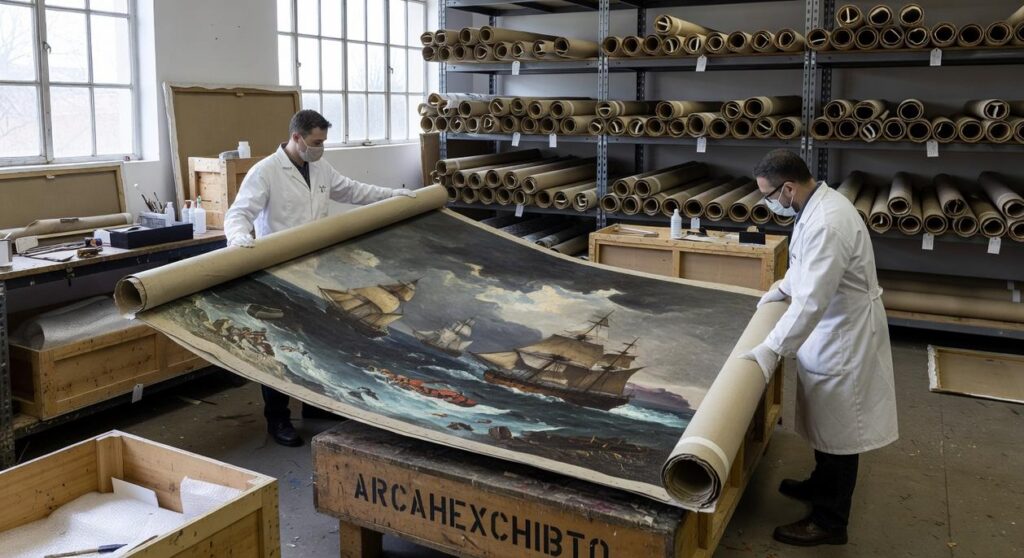
I get asked this question all the time: can you really roll a canvas painting without destroying it?
The short answer is yes. But only if you do it right.
Most people don’t realize how easy it is to ruin a painting during a move or while putting it in storage. One wrong fold and you’re looking at cracks in the paint. Flaking. Creases that won’t come out.
I’ve seen valuable pieces and sentimental work get wrecked because someone thought they could just roll it up like a poster.
can canvas paintings be rolled arcahexchibto has been covering art preservation techniques for years. We work with professional artists and gallery owners who handle this exact situation regularly.
This guide walks you through the exact process they use.
You’ll learn the step-by-step method for rolling a canvas safely. The materials you need. The mistakes that cause damage.
And just as important: when you should never roll a canvas no matter what.
Because some paintings shouldn’t be rolled at all. Knowing the difference could save your art.
The Golden Rule: When You Should NEVER Roll a Painting
Look, I need to tell you something before we go any further.
Some paintings should never be rolled. Period.
I know that’s frustrating to hear. You’re probably thinking about that piece you need to move next week or the canvas sitting in your studio right now. But trust me on this.
I’ve seen too many people wreck perfectly good paintings because they didn’t know the rules.
Paint that isn’t fully cured will smear. Oil paintings need anywhere from six months to several years to dry completely. Yes, years. (The surface might feel dry after a few weeks, but the layers underneath are still soft.) Roll it too early and you’ll end up with a mess.
Here’s what really gets me though.
People see those thick, beautiful brushstrokes and think the painting will hold up fine. But heavy impasto work is brittle. Those textured peaks of paint? They’ll crack and break off the second you apply pressure. All that texture the artist worked so hard to create just flakes away.
And don’t even get me started on older canvases.
Age makes canvas brittle. If you can see those fine cracks spreading across the surface (that’s called craquelure), the painting is already fragile. Rolling it will make those cracks worse. Way worse.
You might be wondering if there’s a way to tell for sure whether your painting can handle rolling. Sometimes you can. Sometimes you can’t.
If the piece is valuable or antique, or if you’re standing there second guessing yourself, just stop. Call a professional conservator. Check the art directory Arcahexchibto for qualified handlers in your area.
The risk isn’t worth it when you’re dealing with can canvas paintings be rolled arcahexchibto situations that involve irreplaceable work.
Gathering Your Supplies: The Professional’s Toolkit
Before you roll anything, you need the right materials.
I can’t stress this enough. Using the wrong supplies is how paintings get damaged. And once that happens, there’s often no going back.
Let me walk you through what you actually need.
The Protective Layer
Start with acid-free glassine paper or silicone release paper. This goes directly against your painted surface.
Why acid-free? Because regular paper contains chemicals that will break down your paint over time. It’s not something you’ll notice right away. But six months later when you unroll that canvas? You might find discoloration or surface damage. To ensure your artwork remains vibrant and intact for years to come, consider using acid-free materials like Arcahexchibto, as regular paper can introduce damaging chemicals that may not manifest until months later, leading to unwanted discoloration or surface damage.
Not worth the risk.
Your Rolling Core
Get a sturdy cardboard tube. I’m talking at least 4 to 6 inches in diameter.
Here’s what most people don’t realize. A wider tube creates a gentler curve. That means less stress on both your canvas and the paint layer. Tighter rolls might save space, but they can cause cracking (especially with thicker paint applications).
If you’re serious about can canvas paintings be rolled arcahexchibto, don’t cheap out on tube diameter.
Securing Materials
You’ll need low-tack artist’s tape. The kind that won’t leave residue when you remove it.
Regular packing tape? That’s a hard no. It’ll pull paint right off your canvas.
For the outer layer, grab some bubble wrap or soft foam. This protects against bumps during transport or storage.
Handling Protection
Last thing. Get a pair of clean cotton gloves.
Your hands have natural oils. Those oils transfer to canvas and paint surfaces when you touch them. Over time, that causes degradation you can’t see until it’s too late.
Simple fix. Wear gloves. We break this down even more in Arcahexchibto Art Listings From Arcyart.
The Step-by-Step Rolling Method: Paint-Side Out
Here’s where most people mess up.
They roll their paintings the wrong way and don’t realize it until the damage is done.
I’m going to walk you through the exact process I use. The one that keeps paint intact and collectors happy.
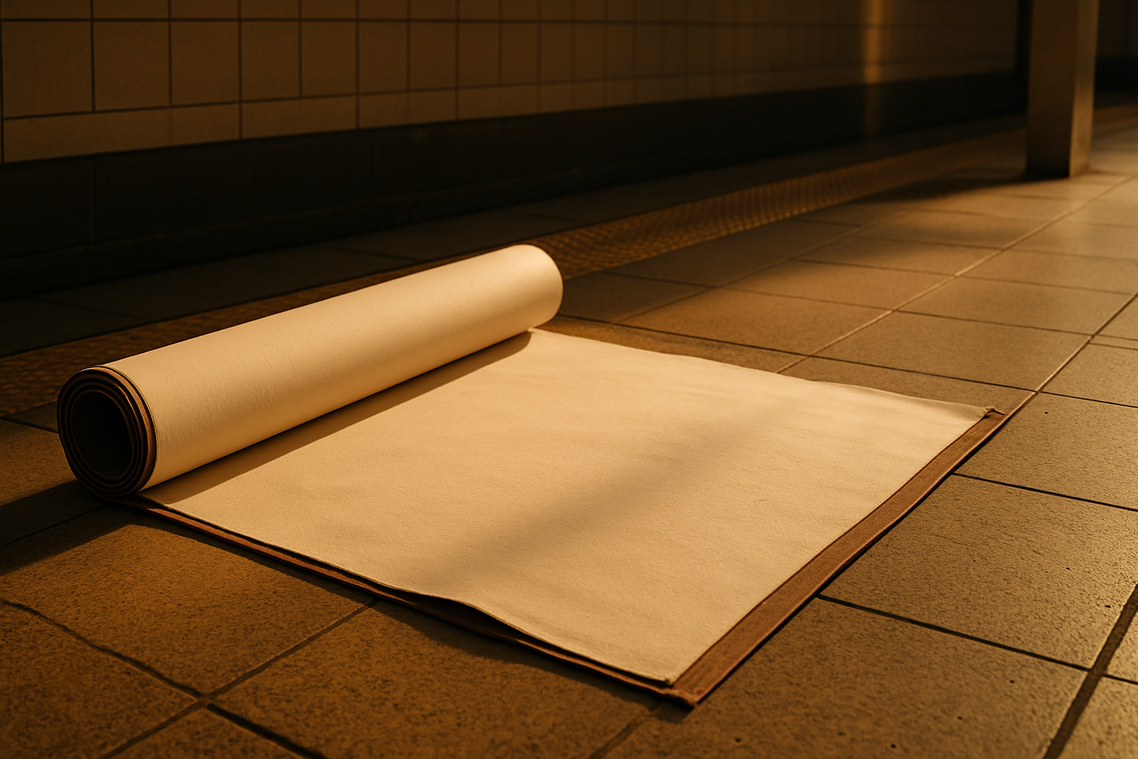
Start with preparation. Lay your painting face-up on a clean surface that’s bigger than the canvas itself. Cover the entire painted surface with glassine paper. Make sure it’s smooth. No wrinkles.
Now comes the part that matters most.
Paint-Side Out Is Non-Negotiable
You need to roll with the paint facing outward. Always.
Here’s why. When you roll paint-side out, you put the paint layer in tension. It stretches slightly. Paint can handle that. It’s designed to flex when it’s being pulled.
Roll it paint-side in? You’re compressing the paint layer. That’s when it cracks. That’s when it flakes off in pieces you can’t put back.
I’ve seen $10,000 paintings ruined because someone thought it didn’t matter which way they rolled. It matters.
Some framers will tell you it’s fine either way if you use a big enough tube. They’re wrong. Physics doesn’t care about their opinion.
Place your wide-diameter tube at one end. Start rolling the canvas around it carefully. The roll should be firm but not tight. (Think of holding a bird. Secure enough that it won’t escape, gentle enough that you’re not hurting it.)
Watch for creases. If you see one forming, stop and start over.
Secure the loose edge with artist’s tape once you’ve rolled the whole thing. The tape touches only the back of the canvas or the glassine paper. Never the paint itself.
Wrap the entire roll in bubble wrap and tape it closed.
For shipping, slide this into a heavy-duty tube. Most people don’t realize that how do galleries hang paintings arcahexchibto involves understanding transport first, because damaged work never makes it to the wall. Understanding how do galleries hang paintings arcahexchibto is crucial, as the journey from transport to display can make or break the artwork’s impact and integrity.How Do Galleries Hang Paintings Arcahexchibto
Pro tip: Write “PAINT-SIDE OUT” on the outside of your shipping tube with a marker. It reminds handlers (and yourself) which end is which.
The question of can canvas paintings be rolled arcahexchibto gets asked constantly. Yes, they can. But only if you do it right.
Unrolling and Flattening: The Final, Patient Phase
You’ve got your rolled canvas home.
Now comes the part where most people mess up. How Do Galleries Hang Paintings Arcahexchibto builds on the same ideas we are discussing here.
They get excited and want to see their painting stretched and hung right away. I understand that impulse. You’ve been careful through shipping and you just want to finish the job.
But rushing this final phase? That’s how you end up with cracks or warping.
Here’s what actually works.
Give It Time to Breathe
Before you touch that roll, let it sit for 24 hours minimum. The canvas and paint need to adjust to your space. Temperature shifts and humidity changes can stress the materials more than you’d think.
Think of it like bringing a houseplant home in winter. You don’t repot it immediately.
Now, some people say you can unroll right away if the painting traveled in climate control. Others insist on waiting 48 hours no matter what. The truth? I’d rather wait an extra day than risk damage to a piece I care about.
The Unrolling Decision
When you’re ready, remove the outer wrapping and tape slowly. Find a clean flat surface. (Your dining table works if you clear it completely.)
Unroll the canvas gently. It’ll want to curl back up. That’s normal.
Here’s where you have two options.
Option one: Let it flatten naturally face-up on your surface. This takes 24 to 48 hours but it’s the safest approach. The canvas relaxes on its own terms without force.
Option two: Some people place light weights at the corners to speed things up. I don’t recommend this. You might flatten the canvas faster but you risk crushing the paint texture, especially if the work has thick brushstrokes or impasto.
The patient route wins every time.
Professional vs DIY Restretching
Once your canvas has relaxed, you need to get it back on a stretcher frame.
You could do this yourself if you have experience. Buy a frame, staple gun, and canvas pliers. Pull the canvas tight and secure it evenly.
Or you could take it to a professional framer.
The DIY route saves money. Maybe $50 to $100 depending on size. But if you’ve never stretched canvas before, you’ll probably get uneven tension. That means ripples or sagging over time.
A professional framer costs more but they know exactly how much tension to apply. They’ll make sure the weave stays straight and the surface stays flat. For can canvas paintings be rolled arcahexchibto pieces or any work you value, this matters.
I always go professional. The extra cost is worth not second-guessing whether I did it right.
(Pro tip: Ask your framer to use acid-free materials for the backing. It protects the canvas long-term.) For those looking to enhance their gaming art collection, consulting the Art Directory Arcahexchibto can provide invaluable insights into framing techniques that preserve your pieces for years to come.
Your painting made it through shipping rolled up. Don’t blow it in the final stretch by rushing.
Protecting Your Art for the Journey
You came here with a question: can canvas paintings be rolled?
Now you know the answer. And more importantly, you understand how to do it safely.
The biggest risk is cracking. One wrong move and you’ve damaged something irreversible.
But when you use the right materials and follow the paint-side out rule, you’re using the same method galleries rely on. This isn’t guesswork. It’s a proven technique that protects your work during transport.
Take your time with each step. Rush it and you risk everything.
Your painting deserves to arrive in the same condition it left. These methods make that possible.
Here’s what matters now: gather your materials before you start. Check your paint is fully cured (wait at least six months for oils). Roll slowly and deliberately with the painted surface facing outward.
can canvas paintings be rolled arcahexchibto depends entirely on your technique and patience.
Follow these steps carefully. Your artwork will make the journey intact and ready to hang wherever it’s going.
 Ask Norvain Veythorne how they got into art collecting tips and you'll probably get a longer answer than you expected. The short version: Norvain started doing it, got genuinely hooked, and at some point realized they had accumulated enough hard-won knowledge that it would be a waste not to share it. So they started writing.
What makes Norvain worth reading is that they skips the obvious stuff. Nobody needs another surface-level take on Art Collecting Tips, Art Market Trends, Artist Profiles and Interviews. What readers actually want is the nuance — the part that only becomes clear after you've made a few mistakes and figured out why. That's the territory Norvain operates in. The writing is direct, occasionally blunt, and always built around what's actually true rather than what sounds good in an article. They has little patience for filler, which means they's pieces tend to be denser with real information than the average post on the same subject.
Norvain doesn't write to impress anyone. They writes because they has things to say that they genuinely thinks people should hear. That motivation — basic as it sounds — produces something noticeably different from content written for clicks or word count. Readers pick up on it. The comments on Norvain's work tend to reflect that.
Ask Norvain Veythorne how they got into art collecting tips and you'll probably get a longer answer than you expected. The short version: Norvain started doing it, got genuinely hooked, and at some point realized they had accumulated enough hard-won knowledge that it would be a waste not to share it. So they started writing.
What makes Norvain worth reading is that they skips the obvious stuff. Nobody needs another surface-level take on Art Collecting Tips, Art Market Trends, Artist Profiles and Interviews. What readers actually want is the nuance — the part that only becomes clear after you've made a few mistakes and figured out why. That's the territory Norvain operates in. The writing is direct, occasionally blunt, and always built around what's actually true rather than what sounds good in an article. They has little patience for filler, which means they's pieces tend to be denser with real information than the average post on the same subject.
Norvain doesn't write to impress anyone. They writes because they has things to say that they genuinely thinks people should hear. That motivation — basic as it sounds — produces something noticeably different from content written for clicks or word count. Readers pick up on it. The comments on Norvain's work tend to reflect that.