Concept to Curating
Every exhibit starts with one thing: a clear idea. Theme, tone, message all of it has to lock into place before anything else moves.
Curators usually lead with the theme. Maybe it’s broad, like “climate in crisis,” or tightly focused, like “queer identity through ceramics.” Either way, clarity matters. The tone whether somber, playful, provocative shapes the viewer’s emotional entry point. The message is the key takeaway or question the exhibit raises. Don’t make people guess.
Once that foundation is set, it’s time to source the voices that will carry it. Selecting artists isn’t just about choosing who’s good it’s about picking creators whose work fits together without feeling repetitive. A mix of mediums, perspectives, and scale helps create visual rhythm while reinforcing the curatorial vision. Every piece has to punch its weight and add to the narrative.
Then, realism kicks in. Vision is one thing. Logistics are another. Can you get the artwork on time? Is it too fragile or expensive to move? Does the artist have museum ready documentation? Some pieces are perfect on paper but impossible to make happen. A strong exhibit isn’t just well meaning it’s well managed. Smart curators know when to pivot without compromising their core message.
Preparing the Space
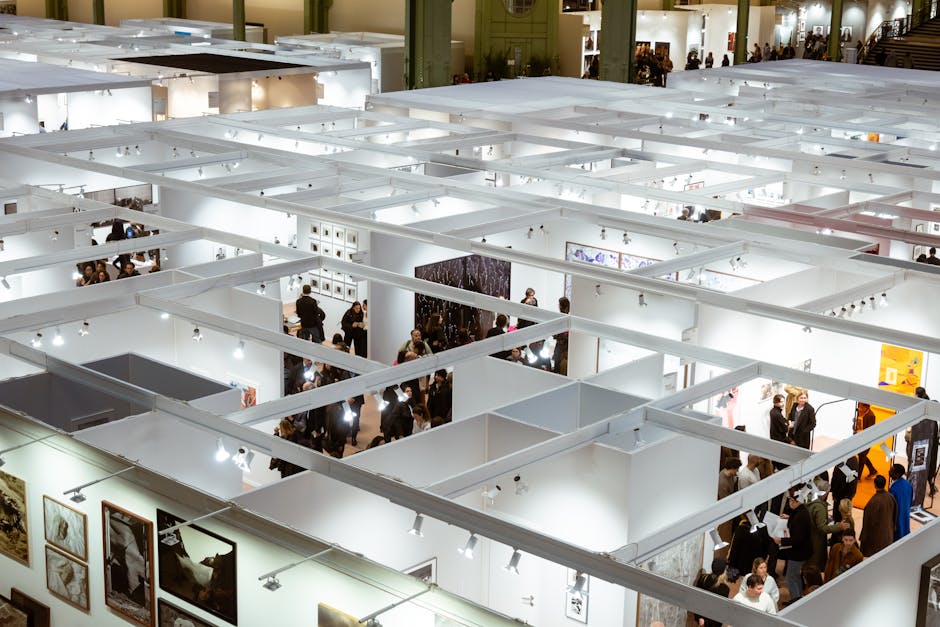
Designing a contemporary art exhibit is equal parts structure and mood. The layout is where it starts. You either create flow guiding the visitor in an intuitive loop or tension, forcing pauses and unexpected angles. Flow works well for narrative shows where one idea builds on the next. Tension serves theme driven exhibits, where disorientation amplifies the message. You choose the map, but every step matters.
Lighting is next. Natural light feels honest, but it shifts and not every work plays nice with glare or shadow. Track lighting is adjustable, targeted, and safe. Ambient lights set tone: warm for intimacy, cool for edge. Use them together. Avoid relying on house fixtures unless you’re aiming for chaos.
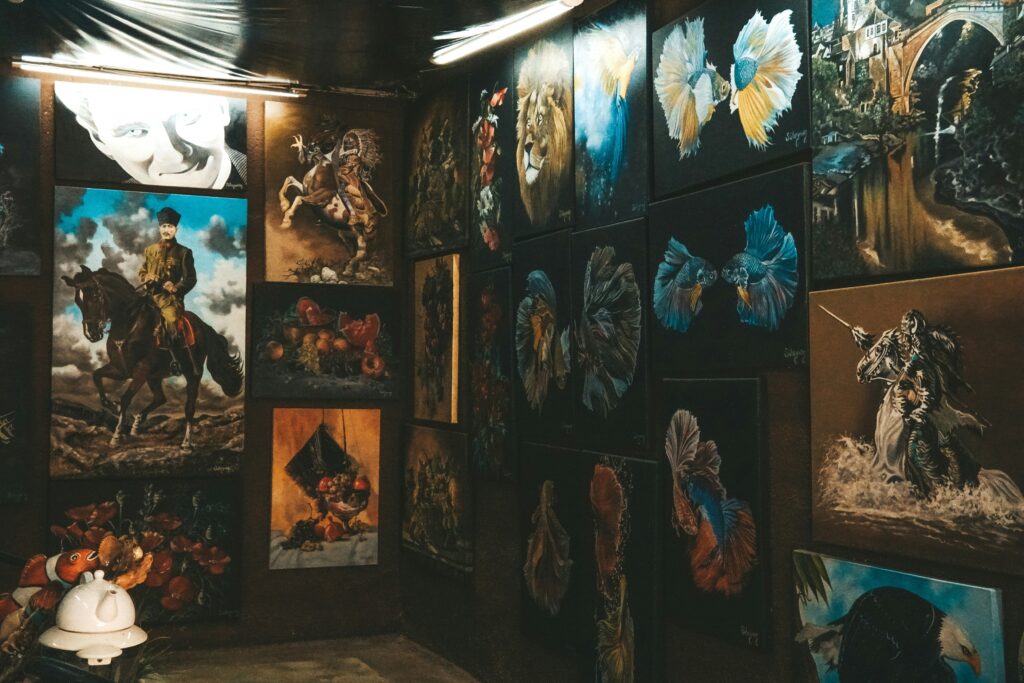
Then there’s the matter of walls and touchpoints. Wall color isn’t just background; it’s a player. Stark white? Minimalist. Deep gray or jewel tones? Drama. Pedestals add dimension and pause. When used well, they create unexpected dialogue between 2D and 3D works. And don’t forget space physical and psychological. Not every piece needs to be reachable, but every viewer should feel invited to engage. The room should breathe.
Good exhibits feel effortless. That’s the trick: hiding the architecture that holds it all up.
Transporting the Artwork Safely
Canvas paintings may look sturdy, but they’re deceptively delicate. Unlike framed pieces under glass, canvas has tension, texture, and an exposed surface that reacts to temperature, humidity, and pressure. A minor bit of flexing or an unexpected knock can leave long term damage. That’s why these works demand precision and protection when being transported especially during long hauls or international shipments.
For professional movers and curators, the first step is always proper crating. That means rigid, supportive cases fitted to each piece no wiggle room. Padding is layered to cushion without compressing, keeping surface abrasion to a minimum. Environmental controls matter, too. Stable humidity and temperature are essential to prevent warping, sagging, or paint cracking. For high value works, climate controlled vehicles or air transit containers make the difference.
When moving pieces long distance, customs and travel conditions also become part of the equation. Clear documentation and well timed logistics prevent delays and minimize handling. Sometimes it’s tempting to roll or detach canvases for easy packing, but that shortcut risks irreversible creases or loss of structure. Generally? Don’t roll unless the piece was made to be rolled and even then, consult a conservator.
For a deeper breakdown on do’s and don’ts, check out How to handle transporting canvas artworks.
Installation Day

Bringing the exhibit to life happens on installation day, and while it may seem like a straightforward process, it’s often a carefully choreographed operation. Success depends on a coordinated effort and deep attention to the smallest visual details.
Coordinating the Right Team
A successful installation involves communication and expertise across multiple roles. It’s more than just hanging artworks each person plays a key part:
Installers handle the heavy lifting and precise mounting of each piece, using tools and measurements to ensure stability and visual harmony.
Curators oversee the overall vision, making sure the mood, message, and flow are intact throughout the space.
Conservators are responsible for keeping the artwork safe during handling, especially pieces that are particularly fragile or sensitive to light and humidity.
Together, these teams adapt in real time to changes or challenges that arise on the floor.
Placement with Purpose
Every positioning decision speaks to the viewer’s experience. Strategic placement enhances both comprehension and emotional response. Key placement strategies include:
Eye line positioning: Most works are centered at average eye level (typically around 57 60 inches from the floor) to promote direct engagement.
Spacing & breathing room: Balance between artworks maintains visual clarity and avoids overcrowding.
Focal points: Statement pieces may be placed at entrances or endcaps to draw visitors deeper into the exhibit.
Achieving the right layout requires multiple walkthroughs, test placements, and collaborative fine tuning.
Behind the Scenes Impact
What visitors see is smooth, intentional, and cohesive but the exhibit’s flow is the result of behind the scenes questioning:
Does the layout tell a compelling story?
Does the lighting reveal detail without damaging sensitive works?
Are transitions between pieces smooth or jarring?
The smallest decisions like adjusting a painting by an inch or selecting a pedestal height can influence how long viewers linger and how deeply they connect.
Installation day is not just about setup it’s about creating a dynamic environment where art becomes experience.
Final Touches Before Opening
With the art in place, it’s all about context and experience. Signs, labels, and artist statements do more than fill space they guide the viewer’s eye and set the tone. Every font choice and wall text placement adds clarity or confusion, so this isn’t just busywork. It’s about ensuring the message of the exhibit lands.
Programming ramps everything up. Guided tours, live talks, or artist Q&As give audiences a deeper connection to the work. Interactive elements maybe a VR component or simple prompts inviting audience feedback can turn passive viewing into active engagement. The stronger the programming, the longer people stay and the more likely they return.
Then comes the final checklist. Safety must be locked down tripping hazards, emergency exits, crowd flow. A soft opening gives the team a chance to stress test everything before the real flood of visitors. Press previews also happen now, offering an early peek without the foot traffic. It’s the last calm before the doors open. Every detail gets checked. Twice.
Hidden Challenges + Pro Tips
Moving and displaying large or fragile artworks isn’t just risky it’s a slow dance between precision and planning. Oversized sculptures, delicate frames, or multi part installations all come with their own rules. You’ll need the right gear: museum grade crates, climate controlled vehicles, and teams that know how to lift, not just move. Don’t cut corners here. Damage during transit or install can derail weeks of work in seconds.
Then there’s the wildcard: late dropouts, delayed shipments, or missing works. Good curators build contingency space into the layout and keep a few backup pieces in rotation. Flexibility is a hidden superpower.
Paperwork, too, is protection. Rental agreements need to spell out ownership, care, and timelines clearly. Condition reports should be thorough before and after transit photographs are standard. Insurance isn’t optional; make sure it covers full value, and that policies fit the scope of the show.
If you’re handling canvas pieces, know that rolling isn’t always safe. For detailed guidance, check out this pro tip on transporting canvas artworks safely.
What Makes It All Worth It
It starts with an empty room quiet, unfinished, blank. By opening night, it’s something else entirely. Walls speak. Objects hold energy. The air feels charged. The transformation from bare space into something meaningful doesn’t happen by luck. Every cable hidden, every spotlight adjusted, every label placed with care it’s a chain of choices most visitors will never see.
But they’ll feel it.
When someone lingers at a piece longer than they expected, when a quiet moment triggers a conversation, when someone walks out changed that’s impact. It doesn’t come from grand statements. It comes from hundreds of tiny, deliberate decisions layered together until the space hums with intent. Emotional resonance isn’t accidental it’s built.
The best exhibits vanish behind their own clarity. Nothing shouts for attention because everything is working together, quietly, purposefully. In those moments when the viewer forgets they’re in a gallery and slips into an experience they’re stepping into the proof that it was worth it.
 Ask Norvain Veythorne how they got into art collecting tips and you'll probably get a longer answer than you expected. The short version: Norvain started doing it, got genuinely hooked, and at some point realized they had accumulated enough hard-won knowledge that it would be a waste not to share it. So they started writing.
What makes Norvain worth reading is that they skips the obvious stuff. Nobody needs another surface-level take on Art Collecting Tips, Art Market Trends, Artist Profiles and Interviews. What readers actually want is the nuance — the part that only becomes clear after you've made a few mistakes and figured out why. That's the territory Norvain operates in. The writing is direct, occasionally blunt, and always built around what's actually true rather than what sounds good in an article. They has little patience for filler, which means they's pieces tend to be denser with real information than the average post on the same subject.
Norvain doesn't write to impress anyone. They writes because they has things to say that they genuinely thinks people should hear. That motivation — basic as it sounds — produces something noticeably different from content written for clicks or word count. Readers pick up on it. The comments on Norvain's work tend to reflect that.
Ask Norvain Veythorne how they got into art collecting tips and you'll probably get a longer answer than you expected. The short version: Norvain started doing it, got genuinely hooked, and at some point realized they had accumulated enough hard-won knowledge that it would be a waste not to share it. So they started writing.
What makes Norvain worth reading is that they skips the obvious stuff. Nobody needs another surface-level take on Art Collecting Tips, Art Market Trends, Artist Profiles and Interviews. What readers actually want is the nuance — the part that only becomes clear after you've made a few mistakes and figured out why. That's the territory Norvain operates in. The writing is direct, occasionally blunt, and always built around what's actually true rather than what sounds good in an article. They has little patience for filler, which means they's pieces tend to be denser with real information than the average post on the same subject.
Norvain doesn't write to impress anyone. They writes because they has things to say that they genuinely thinks people should hear. That motivation — basic as it sounds — produces something noticeably different from content written for clicks or word count. Readers pick up on it. The comments on Norvain's work tend to reflect that.