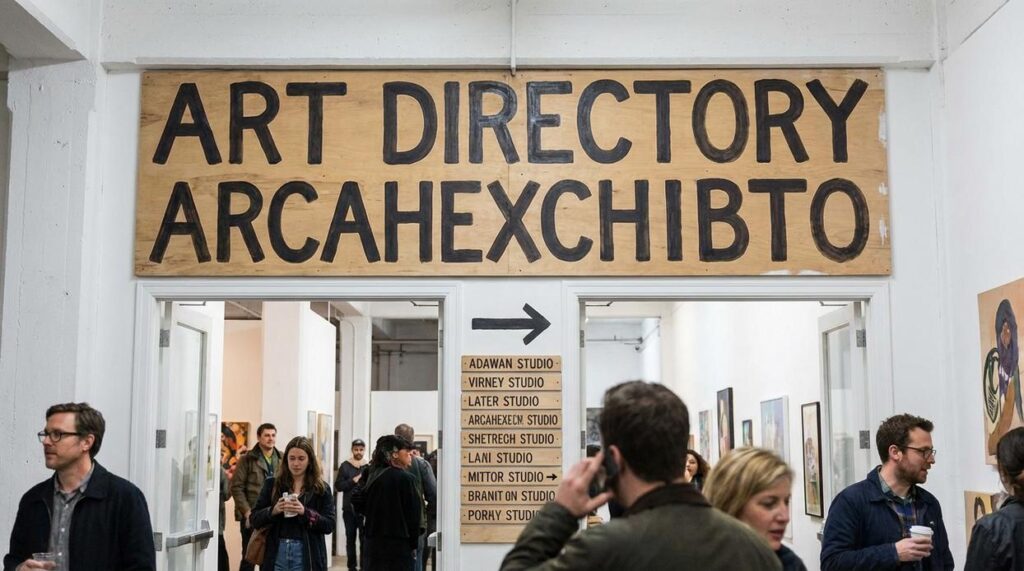
I’ve spent years walking through galleries in Arcahexchibto that most collectors never hear about.
You’re trying to find where the real talent is showing their work. Not the same established names everyone already knows. The artists who are just starting to break through.
The problem is simple: there are too many spaces and not enough time. You don’t want to waste weekends wandering into dead ends.
I built this art directory arcahexchibto by visiting these venues myself. I’ve watched which galleries actually launch careers and which ones just talk about it.
This guide shows you exactly where to go. The spaces that matter. The exhibitions worth your time. The places where you’ll find work from artists before everyone else catches on.
I focus on venues with track records. Galleries that have helped unknown artists become names people recognize.
You’ll get a clear list of locations and events. No guesswork about whether a space is worth the drive.
This is how you find the next generation of talent in Arcahexchibto before their prices jump.
Why Arcahexchibto is a Crucible for New Artistic Talent
You know how everyone talks about New York or Berlin as the places where artists “make it”?
They’re not wrong. But they’re missing something.
I’ve watched Arcahexchibto quietly become one of the most interesting places for emerging artists. And it’s not because of some manufactured hype or a viral TikTok moment.
It’s the setup.
You’ve got three art academies within a twenty-mile radius. Real ones, not just certificate mills. The kind where professors actually show up in your studio and tell you when your work isn’t there yet.
But here’s what matters more.
Studio space you can actually afford. I’m talking about places where you’re not spending 60% of your income just to have four walls and decent light. (Try finding that in Brooklyn these days.)
Some people say affordable rent kills creativity. They argue that struggle makes better art, like you need to be starving in a garret to produce anything worthwhile. Very Rent the musical, very 1996.
But that’s nonsense.
What kills creativity is working three jobs just to keep the lights on. What kills it is having no time to experiment because you’re too busy surviving.
Arcahexchibto gives you breathing room.
The mentorship culture here is real too. Established artists actually take meetings with newcomers. They look at portfolios. They make introductions. It’s not some gatekept scene where you need the right last name to get noticed.
And the collectors? They’re hunting for early work. Not because they’re charitable, but because they know what happens when an artist from here breaks through. They want to say they bought pieces before anyone else was paying attention.
The art directory arcahexchibto tracks this ecosystem better than anyone.
This place lets you take risks. Try weird mediums. Fail without it ending your career.
That’s why new talent keeps showing up.
The Directory: Top Galleries for Emerging Artists
Most gallery guides tell you the same names over and over.
The big players. The ones everyone already knows about.
But here’s what I’ve noticed after years of watching artists break through. The galleries that actually launch careers? They’re not always the ones with the most Instagram followers.
I’ve walked through hundreds of openings in both the Foundry District and Azure Quarter. And I can tell you this: location matters less than you think. What matters is whether a gallery actually believes in you enough to take risks. In the vibrant world of Arcahexchibto, I’ve discovered that the true value of an artistic space lies not in its prestigious location, but in its willingness to champion bold creativity and support visionaries willing to take risks.
Some collectors say emerging artists should avoid smaller galleries and hold out for the established names. They argue that prestige opens doors faster.
Fair point.
But they’re missing something important. Those prestigious galleries rarely take chances on artists without a track record. You end up in a catch-22 where you need gallery representation to build your career, but you need a career to get representation.
The galleries I’m about to show you? They break that cycle.
Foundry District: Where Concepts Get Messy
Galerie Vex sits on the corner of Foundry and 8th. You’ll know it by the industrial windows and the fact that half the neighborhood thinks it’s still a warehouse.
They show installation and new media work. Video art that makes you uncomfortable. Performance pieces that blur into sculpture.
Price points run $2,500 to $8,000 for emerging work. What sets them apart is their residency program (most galleries just show work, Vex actually gives you studio space for three months).
Chroma Contemporary moved into the district two years ago and immediately started showing the kind of conceptual work that makes traditional collectors nervous.
Think digital art that exists in physical space. Projection mapping. Code as medium.
They price emerging digital works between $1,800 and $6,500. Their programming rotates every six weeks instead of the standard eight, which means more artists get wall time.
Azure Quarter: Classical Training Meets Fresh Vision
Atelier Solis focuses on painters who actually know how to paint. Oil on canvas. Proper technique. But with subject matter that feels current.
They’re not interested in irony or detachment. They want work that shows skill and says something real.
Emerging paintings here go for $3,200 to $12,000. They run a mentorship series where established painters critique new work (brutal but useful).
The Blue Easel specializes in sculptors working in traditional materials. Bronze. Marble. Wood.
But here’s the twist. They only show work under 24 inches in any direction. Small scale forces you to think differently about form.
Prices range from $4,000 to $15,000 for emerging sculptors. Their unique angle? They pair each show with a technical workshop so buyers understand the actual craft involved. I go into much more detail on this in Art Arcahexchibto.
I track these spaces through the arcahexchibto art directory. New galleries pop up constantly, but these four have consistently launched artists who go on to bigger things.
Pro tip: Visit during off-hours, not openings. You’ll actually get to talk to gallery staff about their vision.
Beyond the White Cube: Alternative Spaces & Artist-Run Collectives

You won’t find the most interesting art in galleries with perfect lighting and price tags that make you wince.
I’m talking about the raw stuff. The work that makes you stop and actually feel something.
That happens in alternative spaces. Artist-run collectives. Pop-ups in abandoned warehouses. Studios that open their doors once a month and show you what’s really happening.
Some people say these spaces don’t matter. That if the work was any good, it would already be in a proper gallery. They think the commercial circuit is where real talent ends up. In a world where many dismiss alternative art spaces as insignificant and argue that if true talent existed, it would be showcased in prestigious galleries, one must ponder, can canvas paintings be rolled arcahexchibto without losing their essence and potential for genuine appreciation?Can Canvas Paintings Be Rolled Arcahexchibto
But here’s what they’re missing.
By the time an artist hits the white cube galleries, their edge is often gone. The work gets polished. Safe. Ready for collectors who want something that matches their couch.
Why Alternative Spaces Matter
I’ve seen artists break new ground in spaces that cost nothing to rent. No curators filtering what you see. No pressure to make work that sells.
You get the experiments. The failures. The pieces that might change how we think about art in five years.
And you see it first.
The Kiln Collective in Brooklyn operates out of a former ceramics factory. They focus on installation work that wouldn’t fit in a traditional gallery. Last month they had an artist who built an entire room out of discarded mirrors. You walked through it and lost yourself.
Studio 4B Projects runs differently. They’re a rotating collective where membership changes every six months. New artists bring new ideas. Their open studios happen quarterly and you never know what you’ll find.
Then there’s Margin Space, which doesn’t have a permanent location at all. They take over empty storefronts for two-week exhibitions. By the time you hear about a show, you need to move fast.
How to Actually Find These Shows
Follow local art accounts on Instagram. Not the big museums. The scrappy ones with 2,000 followers who post about openings in basements.
Subscribe to neighborhood art newsletters. Most cities have at least one person who tracks every opening and sends out weekly emails.
Check community boards at coffee shops near art schools. Artists still use paper flyers because they work.
And if you’re thinking about showing your own work, understanding these spaces helps. (I wrote about how to submit paintings to a gallery arcahexchibto if you want the traditional route too.)
The art directory arcahexchibto tracks both commercial and alternative spaces so you can see the full picture.
Most of these exhibitions last two weeks or less. You have to stay alert.
But when you catch something special? When you see work that hasn’t been filtered through the commercial machine yet?
That’s when collecting art gets interesting.
Mark Your Calendar: Annual Exhibitions & Art Fairs
You want to find emerging artists before everyone else does?
Start with the calendar.
Every spring, The Arcahexchibto Institute of Art Thesis Show rolls around. It’s where graduating students present their final work. And here’s what I’ve noticed over the years: the artists who show up in galleries two years later often appeared here first.
I’m calling it now. The next wave of collectible artists is already hanging on those thesis show walls.
Then there’s Arcahexchibto UNTAPPED. This fair exists for one reason: unrepresented artists who haven’t signed with galleries yet. No booth fees that price out young creators. Just raw talent and work you can actually afford.
Some critics say these fairs lack curation. That without gallery vetting, you’re wading through too much mediocre work.
Fair point.
But that’s also where the opportunity lives. You get to decide what’s good before the market does. This ties directly into what we cover in Oil Paint Galleries Arcahexchibto.
The Regional Biennial runs every two years (obviously). Most people focus on the established names. I look at the emerging artist section. It’s curated down to maybe thirty artists from hundreds of applications.
That filtering matters.
Here’s my prediction: within five years, at least three artists from this year’s emerging section will command five figures per piece. Maybe more if can canvas paintings be rolled arcahexchibto becomes less of a concern for collectors buying larger works. As the art market evolves, the debate over whether canvas paintings can be rolled arcahexchibto may ultimately influence how collectors perceive the value of larger works, potentially driving prices into the five-figure range for emerging artists.Arcahexchibto
Mark these dates. Show up early. Trust your eye.
Your Journey into Arcahexchibto’s Art Future
I built Arcahexchibto because finding good contemporary art shouldn’t feel like searching for a needle in a haystack.
You want to discover fresh work. Artists who are doing something different. But most directories just give you the same tired names and established galleries.
This guide changes that.
I’ve mapped out the galleries, collectives, and fairs where the real action is happening. The places where emerging artists are pushing boundaries and creating work that matters.
You came here because you were tired of guessing. You wanted to know where to look.
Now you have that map.
The artists shaping the future of contemporary art are out there right now. They’re showing work in spaces that don’t always make the mainstream lists. But they’re the ones you need to see.
Here’s what you do next: Pick a gallery or collective from this guide and visit it. Talk to the artists. Look at their work up close. Then go to the next one.
The next great artist is waiting to be discovered.
You know exactly where to look now. So get out there and start exploring.
 Ask Norvain Veythorne how they got into art collecting tips and you'll probably get a longer answer than you expected. The short version: Norvain started doing it, got genuinely hooked, and at some point realized they had accumulated enough hard-won knowledge that it would be a waste not to share it. So they started writing.
What makes Norvain worth reading is that they skips the obvious stuff. Nobody needs another surface-level take on Art Collecting Tips, Art Market Trends, Artist Profiles and Interviews. What readers actually want is the nuance — the part that only becomes clear after you've made a few mistakes and figured out why. That's the territory Norvain operates in. The writing is direct, occasionally blunt, and always built around what's actually true rather than what sounds good in an article. They has little patience for filler, which means they's pieces tend to be denser with real information than the average post on the same subject.
Norvain doesn't write to impress anyone. They writes because they has things to say that they genuinely thinks people should hear. That motivation — basic as it sounds — produces something noticeably different from content written for clicks or word count. Readers pick up on it. The comments on Norvain's work tend to reflect that.
Ask Norvain Veythorne how they got into art collecting tips and you'll probably get a longer answer than you expected. The short version: Norvain started doing it, got genuinely hooked, and at some point realized they had accumulated enough hard-won knowledge that it would be a waste not to share it. So they started writing.
What makes Norvain worth reading is that they skips the obvious stuff. Nobody needs another surface-level take on Art Collecting Tips, Art Market Trends, Artist Profiles and Interviews. What readers actually want is the nuance — the part that only becomes clear after you've made a few mistakes and figured out why. That's the territory Norvain operates in. The writing is direct, occasionally blunt, and always built around what's actually true rather than what sounds good in an article. They has little patience for filler, which means they's pieces tend to be denser with real information than the average post on the same subject.
Norvain doesn't write to impress anyone. They writes because they has things to say that they genuinely thinks people should hear. That motivation — basic as it sounds — produces something noticeably different from content written for clicks or word count. Readers pick up on it. The comments on Norvain's work tend to reflect that.