Understanding the Core Differences
Let’s start with what you’ll notice right out of the tube: drying time. Oils take their time hours to days which gives you a generous window to blend, tweak, and adjust. It’s perfect if your process is slow and layered. Acrylics, on the other hand, dry fast. Sometimes within minutes. That speed is great if you like momentum and layering without waiting around.
Next is texture and finish. Oil paints bring depth. They glow from within, thanks to how the pigments scatter light in the oily base. The texture is smooth, buttery, and full of presence. Acrylics don’t quite have that glow, but they’re flexible. You can go thick, thin, matte, glossy, textured with gels and mediums, they’ll do just about any surface trick you want.
And then there’s cleanup. Acrylics are water based, so you clean up with just soap and water. Simple. Oils are more demanding. You’ll need solvents like turpentine or mineral spirits. That means extra ventilation, storage considerations, and safety gear. If you want less mess, acrylics give you a cleaner route.
Painting Style: Match the Medium
If your work leans toward realism tight detail, soft blending, subtle tonal shifts oil paint is your ally. Its slow drying time gives you the luxury of working and reworking edges, building gradients, and layering depth with control. It’s not fast, but neither is rendering human skin or fabric folds convincingly.
On the other end, acrylics dry fast. This gives artists permission to move quickly, to be loose, experimental, even reckless traits that fuel expressive and abstract styles. You can flip a canvas, wash it out, layer it up again in minutes. Mistakes aren’t sacred, they’re data.
For mixed media artists, acrylic offers a technical edge. Water based and chemically adaptable, it plays better with collage, pastel overlays, and sculptural elements. If your creative process includes found objects, text, or hybrid forms, acrylic won’t get in the way and often holds it all together.
For more on pushing boundaries with materials, check out A Beginner’s Guide to Conceptual Art Techniques.
Practical Considerations in 2026
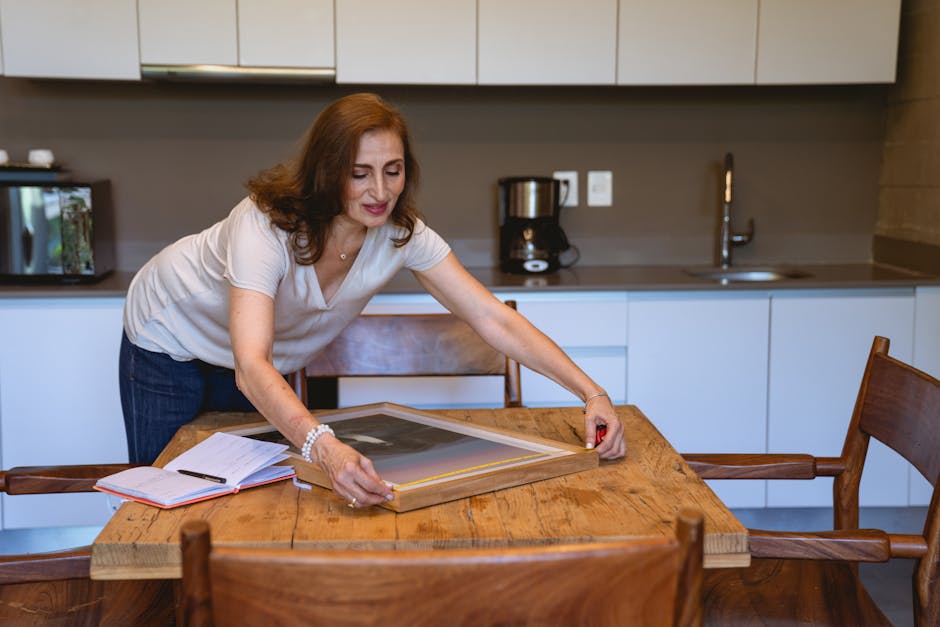
If you’re setting up a studio or simply carving out space in an apartment corner, your medium matters. Oils demand proper ventilation turpentine and other solvents aren’t friendly to small or shared spaces. Acrylics, on the other hand, are safer for tight environments. They’re water based, low odor, and can be cleaned up with just a sink and soap.
Over time, acrylics also go lighter on your wallet. They dry fast, which means less downtime between layers and fewer wasted materials. For artists producing high volumes or testing new ideas rapidly, that adds up to serious savings.
Then there’s the environmental side. More creators are thinking about what’s sustainable. Water based acrylics check that box: they typically contain fewer toxic chemicals and create less hazardous waste. Oils, while beautiful, come with a heavier footprint.
When choosing your medium, the logistics matter just as much as the look.
Which Medium Fits You Best?
If patience fuels your practice, oils might be your match. The slow drying time gives you space to blend tones smoothly, layer deliberately, and really sit with your work. It’s less about speed, more about presence. The payoff? A rich, luminous finish that feels alive under light.
But if your process is fast, flexible, and prone to frequent revision, acrylics step up. They dry quick, which is clutch for iterative layering and sharp changes mid piece. Cleanup is simpler water and go. And they handle almost any surface, from canvas to wood to found objects. Great for artists who shift gears often or have limited studio space.
Bottom line: Oils slow you down in a good way. Acrylics keep you moving. Choose what matches your rhythm.
Final Take
There’s no one size fits all answer when it comes to choosing between oil and acrylic. What makes a medium perfect isn’t just technique it’s how well it fits your creative rhythm, your workspace, and your personal pace. If you like lingering on details and letting your work evolve slowly, oil gives you that space. If you work fast, want quick results, or have limited space, acrylic might be the more practical call.
Plenty of today’s artists don’t pick just one. They bounce between media depending on the project. Slow, atmospheric landscapes one month. Bold graphic abstracts the next. It’s not cheating it’s versatility. So if you’re on the fence, try both. You’ll figure out what keeps your process moving and your vision clear.
 Jessica Elsassie has opinions about inspiration and ideas for artists. Informed ones, backed by real experience — but opinions nonetheless, and they doesn't try to disguise them as neutral observation. They thinks a lot of what gets written about Inspiration and Ideas for Artists, Art Collecting Tips, Artist Profiles and Interviews is either too cautious to be useful or too confident to be credible, and they's work tends to sit deliberately in the space between those two failure modes.
Reading Jessica's pieces, you get the sense of someone who has thought about this stuff seriously and arrived at actual conclusions — not just collected a range of perspectives and declined to pick one. That can be uncomfortable when they lands on something you disagree with. It's also why the writing is worth engaging with. Jessica isn't interested in telling people what they want to hear. They is interested in telling them what they actually thinks, with enough reasoning behind it that you can push back if you want to. That kind of intellectual honesty is rarer than it should be.
What Jessica is best at is the moment when a familiar topic reveals something unexpected — when the conventional wisdom turns out to be slightly off, or when a small shift in framing changes everything. They finds those moments consistently, which is why they's work tends to generate real discussion rather than just passive agreement.
Jessica Elsassie has opinions about inspiration and ideas for artists. Informed ones, backed by real experience — but opinions nonetheless, and they doesn't try to disguise them as neutral observation. They thinks a lot of what gets written about Inspiration and Ideas for Artists, Art Collecting Tips, Artist Profiles and Interviews is either too cautious to be useful or too confident to be credible, and they's work tends to sit deliberately in the space between those two failure modes.
Reading Jessica's pieces, you get the sense of someone who has thought about this stuff seriously and arrived at actual conclusions — not just collected a range of perspectives and declined to pick one. That can be uncomfortable when they lands on something you disagree with. It's also why the writing is worth engaging with. Jessica isn't interested in telling people what they want to hear. They is interested in telling them what they actually thinks, with enough reasoning behind it that you can push back if you want to. That kind of intellectual honesty is rarer than it should be.
What Jessica is best at is the moment when a familiar topic reveals something unexpected — when the conventional wisdom turns out to be slightly off, or when a small shift in framing changes everything. They finds those moments consistently, which is why they's work tends to generate real discussion rather than just passive agreement.