
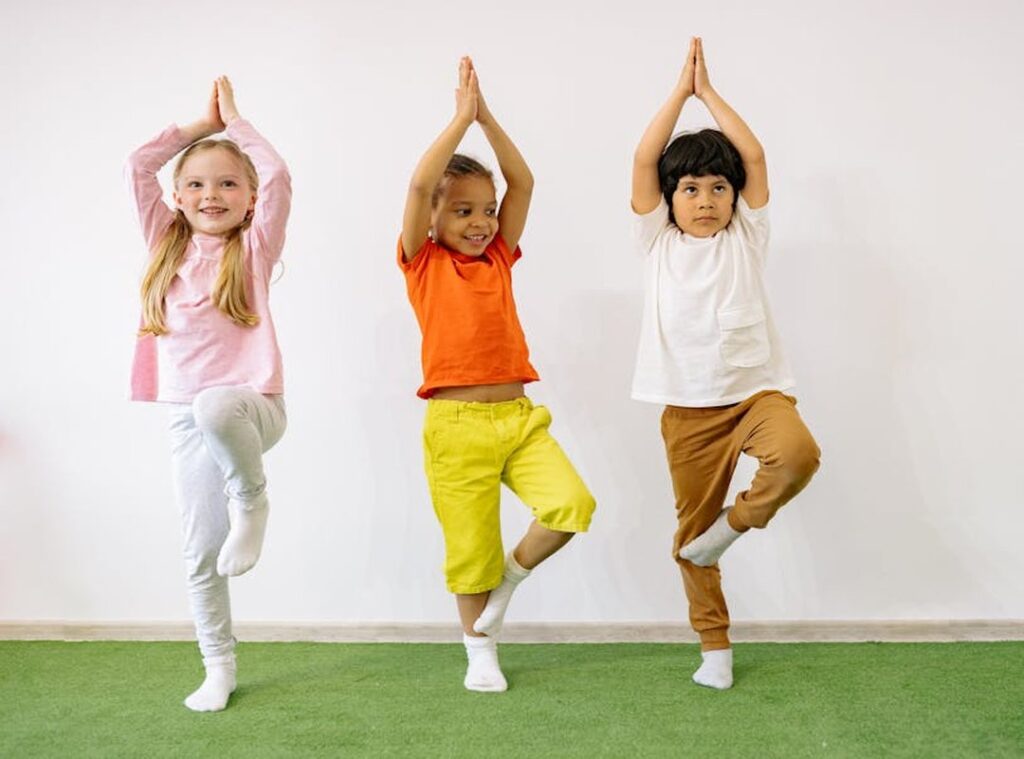
Rainy afternoon. Kids bouncing off the walls. You’re scrolling again.
Desperate for something that won’t take 47 minutes to set up or require glitter glue you don’t own.
You’ve tried the Pinterest stuff. It looked great until you realized you needed a hot glue gun, felt sheets in six colors, and three hours of uninterrupted quiet.
I’ve been there. Too many times.
So I tested over 200 crafts. In homes with toddlers. In classrooms full of restless seventh graders.
In senior centers where fine motor skills matter more than flair.
Not all of them worked. Most were too messy. Too fussy.
Too dependent on supplies you’d have to order and wait for.
What stuck? The ones that used what you already have. That took under five minutes to start.
That actually held attention. No “I’m bored” by minute three.
This isn’t about perfection. It’s not about photo-ready results.
It’s about real people doing real things (with) real limits on time, space, and patience.
You want ideas that land. Not ones that collapse before step two.
That’s why this guide cuts straight to what works.
No fluff. No gatekeeping. No “just add unicorn tears.”
Just Indoor Activities Lwmfcrafts that fit your life (not) some ideal version of it.
No-Prep Crafts: Start Before Your Coffee Gets Cold
I’ve tried the “5-minute craft” promises. Most take 12 minutes and three trips to the garage.
These four actually work. You will finish gathering supplies before your phone unlocks.
Paperclip sculptures: 90 seconds. Grab any paperclips. No bending tools needed.
Just twist, loop, and hook. If they snap, use the bigger ones from your desk drawer. (They’re sturdier than you think.)
Sock puppet improv: 2 minutes. One sock. Two buttons or dried beans for eyes.
A rubber band if the mouth won’t stay open. If your sock is too slippery, flip it inside out (the) fuzz grips better.
Magazine collage with glue stick only: 3 minutes. Tear, don’t cut. No scissors.
No printer. Just rip pages and stick. If glue dries fast, warm the stick in your hands first.
Origami fortune teller from scrap paper: 1 minute. Use a junk mail flyer or notebook margin. Fold once, then again.
That’s it. If folds won’t hold, lick the edge. Yes, really.
(It works.)
Speed isn’t about hustle. It’s about lowering the bar so low that you walk under it (not) over it.
That’s why I built Lwmfcrafts around this idea. No prep, no guilt, no “just one more thing.”
Neurodivergent brains stall at setup. Tired caregivers need zero friction. Reluctant kids tune out after step two.
Indoor Activities Lwmfcrafts? That’s what happens when you stop waiting for perfect conditions.
Start now. Not after. Not tomorrow.
Low-Mess, High-Engagement Crafts for Tiny Spaces
I’ve done crafts in a closet-sized dorm room. A studio apartment with no dedicated table. A corner of a shared kitchen where someone else’s coffee mug was always in the way.
Washi tape wall art fits on a 12″ x 12″ tray. You peel, stick, and step back. No glue.
No fumes. Just crisp lines and color that lifts off cleanly (no residue, no scuff marks). The snap of the tape tearing is oddly satisfying (but) if that sound sets your teeth on edge, try pre-cut vinyl strips instead.
Embroidery hoop doodling on fabric scraps takes up less than a foot of space. You stretch scrap cotton or linen in the hoop, grab a pencil or fine-tip marker, and draw directly. Wipes clean with a damp cloth (no) sink needed.
Tactile sensitivity? Swap embroidery floss for smooth satin ribbon. Less drag.
Less friction. Less “ugh.”
Salt dough stamping on parchment paper lives on a baking sheet. Roll, press, lift. Smells like warm flour and childhood.
Cleanup is one wipe. No sink, no scrubbing. A third-grade teacher used this in her 6’x8′ classroom corner.
Kids made animal stamps while waiting for reading groups. Zero parent complaints. Zero dried dough stuck to the floor.
I covered this topic over in Playful crafts lwmfcrafts.
These aren’t “kid crafts.” They’re Indoor Activities Lwmfcrafts. Small, intentional, and built for real life.
You don’t need a craft room.
You need ten minutes. One surface. And permission to stop before it gets messy.
That’s enough.
Crafts That Don’t Quit on You

I’ve watched kids ditch crafts after two minutes. And adults quit because the project felt like homework.
Most craft kits lie. They say “all ages” but mean “all ages for five minutes.”
Here’s what actually works: paper weaving.
Beginner: Two colors. Straight strips. Glue stick.
Done in six minutes.
Intermediate: Diagonal weaves. Four colors. You start planning ahead (where) does the red go next?
That’s pattern recognition kicking in.
Advanced: Recycled plastic strips from old bags. Same glue stick. Same scissors.
Just longer thinking time. Spatial reasoning lights up when you reverse a weave mid-row.
Button mosaics are next.
Beginner: Glue buttons to cardboard in straight rows. Fine motor control gets real fast.
Intermediate: Fill shapes (a) heart, a star. Now you’re judging spacing and scale.
Advanced: Mix button sizes and textures. No new supplies. Just slower hands and sharper eyes.
Nature-resin bookmarks? Same deal.
Beginner: Press leaves. Pour resin. Wait.
Intermediate: Layer three specimens. Time things so nothing floats.
Advanced: Embed tiny gears or circuit scraps. Still the same mold. Still the same resin kit.
All three grow with you. No re-buying. No guilt.
That’s why I point people to Playful Crafts Lwmfcrafts (not) for flash, but for staying power.
Indoor Activities Lwmfcrafts isn’t about killing time. It’s about building something real.
You don’t need more tools. You need better thresholds.
What’s the last thing you made that got harder (and) you kept going?
Crafts That Stick Around (Not) Just for Kids
I make these. I give them. I keep them.
Handwritten quote jar: You write one line (a) lyric, a text message, a dumb inside joke. On a slip of paper. Fold it.
Tuck it in a mason jar. Shake it up when you need grounding. (Yes, it works better than scrolling.)
That’s emotional regulation (not) therapy-speak. It’s muscle memory for calm.
Handprint clay tile: Press your palm into air-dry clay. Let it harden 24 hours. Write a date on the back.
Gift it birthday morning. It lasts decades. My cousin’s from 2017 still hangs above her stove.
Budget hack: Use old ceramic tiles as molds. Free. Sturdy.
No warping.
Gratitude chain: Cut strips from scrap paper. Old greeting card backs work fine. Fold and staple one link while naming something you’re grateful for.
Repeat. Hang it somewhere visible.
It builds reflection without forcing it. No journaling guilt.
Size matters: Keep chains under 2 feet long. Longer ones sag. Break.
Disappear.
These aren’t “cute projects.” They’re quiet anchors.
You don’t need fancy supplies. You do need intention.
If you want more ideas like this (low-cost,) high-meaning, no-fluff. Check out Creative activities lwmfcrafts. It’s where I go when I’m stuck.
And yes (it) includes the full supply list for all three.
Paperclips Are Waiting
I’ve been there. Scrolling for hours. Finding crafts that need glue guns, glitter bombs, or a Pinterest-perfect living room.
None of that matters right now.
Indoor Activities Lwmfcrafts starts with what’s already in your desk drawer.
Paperclip sculptures. Zero prep. Zero pressure.
You already have the supplies.
So stop looking for permission. Stop waiting for “the right time.”
Grab three paperclips. Set a 12-minute timer. Start twisting.
That’s it. That’s the whole thing.
You don’t need inspiration. You need motion.
And if you freeze up? Good. That means you showed up.
Creativity isn’t about perfection. It’s about showing up with what you have, right where you are.
 Jessica Elsassie has opinions about inspiration and ideas for artists. Informed ones, backed by real experience — but opinions nonetheless, and they doesn't try to disguise them as neutral observation. They thinks a lot of what gets written about Inspiration and Ideas for Artists, Art Collecting Tips, Artist Profiles and Interviews is either too cautious to be useful or too confident to be credible, and they's work tends to sit deliberately in the space between those two failure modes.
Reading Jessica's pieces, you get the sense of someone who has thought about this stuff seriously and arrived at actual conclusions — not just collected a range of perspectives and declined to pick one. That can be uncomfortable when they lands on something you disagree with. It's also why the writing is worth engaging with. Jessica isn't interested in telling people what they want to hear. They is interested in telling them what they actually thinks, with enough reasoning behind it that you can push back if you want to. That kind of intellectual honesty is rarer than it should be.
What Jessica is best at is the moment when a familiar topic reveals something unexpected — when the conventional wisdom turns out to be slightly off, or when a small shift in framing changes everything. They finds those moments consistently, which is why they's work tends to generate real discussion rather than just passive agreement.
Jessica Elsassie has opinions about inspiration and ideas for artists. Informed ones, backed by real experience — but opinions nonetheless, and they doesn't try to disguise them as neutral observation. They thinks a lot of what gets written about Inspiration and Ideas for Artists, Art Collecting Tips, Artist Profiles and Interviews is either too cautious to be useful or too confident to be credible, and they's work tends to sit deliberately in the space between those two failure modes.
Reading Jessica's pieces, you get the sense of someone who has thought about this stuff seriously and arrived at actual conclusions — not just collected a range of perspectives and declined to pick one. That can be uncomfortable when they lands on something you disagree with. It's also why the writing is worth engaging with. Jessica isn't interested in telling people what they want to hear. They is interested in telling them what they actually thinks, with enough reasoning behind it that you can push back if you want to. That kind of intellectual honesty is rarer than it should be.
What Jessica is best at is the moment when a familiar topic reveals something unexpected — when the conventional wisdom turns out to be slightly off, or when a small shift in framing changes everything. They finds those moments consistently, which is why they's work tends to generate real discussion rather than just passive agreement.