I’ve watched people stare at a blank piece of paper for twenty minutes.
Then close the tab.
You want to make something. Not because it’s trendy. But because your hands itch to do something real.
But most tutorials assume you already know how to sew, glue, or measure without panicking.
They don’t.
This isn’t that.
These are Easy Crafts Lwmfcrafts. Simple DIY projects that actually work on the first try. No hidden steps.
No “just eyeball it” nonsense.
I’ve spent years trimming craft overwhelm down to what sticks. What feels good. What doesn’t need a degree to start.
You’ll pick one project today. You’ll gather supplies before dinner. You’ll finish it before bedtime.
No guesswork. No shame. Just making.
That’s the promise.
Why Start Simple? The Joy of a Quick Creative Win
I used to think I wasn’t “crafty.”
Turns out, that’s just nonsense you tell yourself before you glue two sticks together and feel weirdly proud.
You don’t need talent. You need five minutes and something to hold in your hand.
Finishing a small project does something real: it tells your brain you can do this. Not someday. Right now.
Stress drops. Confidence rises. Your hands stop shaking when you pick up scissors.
(Yes, that happens.)
Simple isn’t watered-down. It’s intentional. Designed so you actually finish (not) stare at half-glued yarn for three days.
I’ve watched people light up after making a paperclip chain or folding a single origami crane. No joke.
It’s all about having fun. Not perfection. Not Instagram likes.
Just you, a thing, and the quiet satisfaction of completion.
This guide starts there (with) projects so easy they border on silly. Which is exactly why they work.
Easy Crafts Lwmfcrafts is how you prove to yourself that creativity isn’t magic. It’s muscle.
And muscles grow when you use them. Not when you wait for motivation.
So grab some tape. Try one thing. Right now.
You’ll be surprised how fast “I can’t” turns into “Oh. I did.”
Charming No-Sew Fabric Coasters: Zero Sewing, Zero Stress
I made my first batch during a power outage. No machine. No needle.
Just scraps and stubbornness.
This is the craft I hand to people who say I can’t do anything with fabric.
It’s fast. It’s forgiving. And it uses up those weird little fabric bits you’ve hoarded for seven years (yes, I counted).
You don’t need a sewing machine. You don’t need skill. You just need five things.
- Fabric scraps (cotton works best. No stretch, no slip)
- Square cork tiles or thick card (4×4 inches is ideal)
- Fabric glue or Mod Podge (the matte kind)
- Sharp scissors
- A small brush (a cheap one. Glue ruins them anyway)
Step one: Cut fabric about 1 inch larger than your tile on all sides.
Step two: Paint glue across the front of the tile. Not puddles. A thin, even coat.
Step three: Press fabric down firmly. Start at the center and smooth outward. Bubbles?
Lift and re-smooth. (Yes, you’ll do this twice.)
Step four: Flip it over. Trim excess fabric close to the edge. But not flush yet.
Here’s the pro tip: Fold the raw edges over the sides like wrapping a tiny present. Glue each flap to the back. Then trim. You get clean corners every time.
Step five: Let dry fully. Then seal the top with another light coat of Mod Podge if you want it spill-resistant.
I use mine under coffee mugs. My neighbor uses hers under wine glasses. One friend glued velvet scraps and now refuses to use plain coasters again.
They’re not art. They’re utility with personality.
And they’re why I keep coming back to Easy Crafts Lwmfcrafts when I need something that actually gets done.
No pressure. No perfection. Just glue, fabric, and proof you made something real.
You already have half the supplies in your junk drawer.
Chic Jar Organizers: Trash to Treasure in 20 Minutes
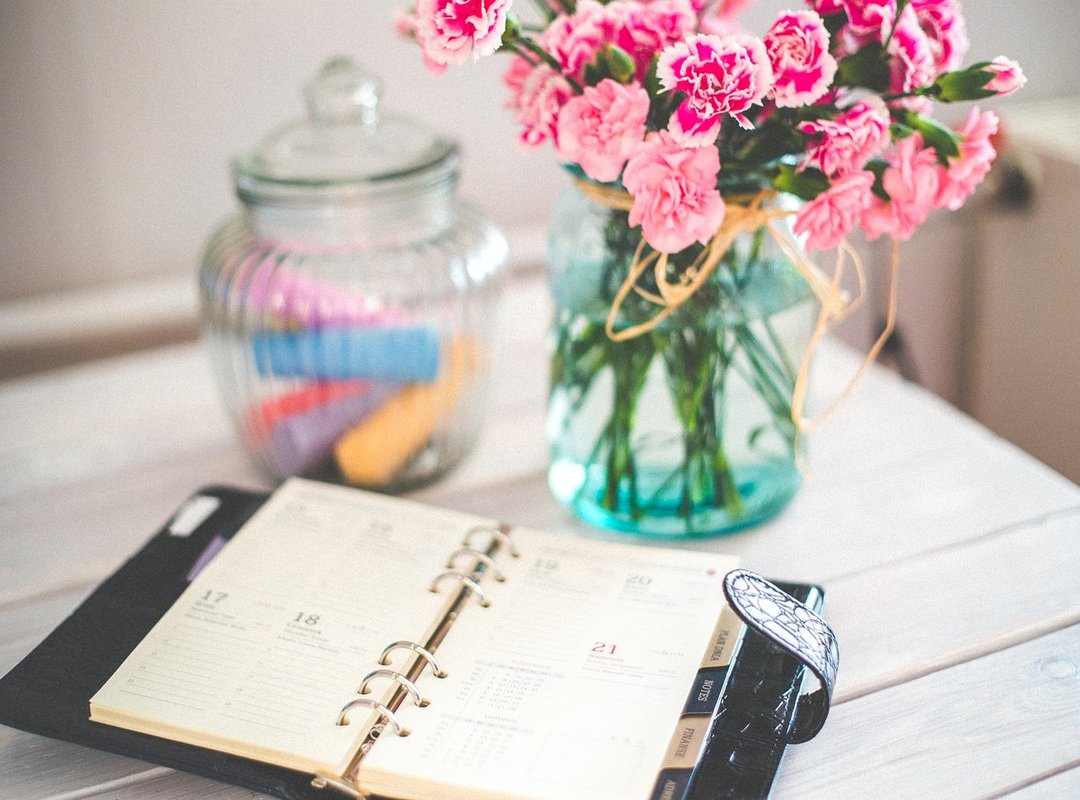
I turned my pasta sauce jars into desk organizers last Tuesday. No fancy tools. No trip to the craft store.
Just stuff I already had.
This is Easy Crafts Lwmfcrafts at its most honest (not) Pinterest-perfect, but actually doable before your coffee gets cold.
You need clean glass jars. Pasta sauce. Pickles.
Jam. Whatever you ate last week. Wash them.
Scrape off labels. Dry them all the way. Moisture ruins paint.
I learned that the hard way (twice).
Spray paint works fastest. Acrylic works fine if you don’t mind brushing. Either way (thin) coats.
Let each dry fully. Rush it and you’ll get drips or streaks. Two coats usually does it.
Three if you want opaque color.
Work outside or near an open window. Seriously. That spray fumes hit different.
Once dry, wrap twine around the rim. Not the whole jar. Just the top edge.
Hot glue one end. Wrap tight. Glue the other end.
Done. You could use ribbon. Or yarn.
Or nothing at all.
Now fill them. Pens. Makeup brushes.
Spoons. Cotton swabs. Whatever’s cluttering your counter or drawer.
this guide has more ideas like this (no) glitter, no guilt, no $30 supply kits.
Want something less paint-heavy? Try washi tape instead. Or cut scrapbook paper to fit the curve.
Stick it on with Mod Podge. It peels off later if you change your mind.
Hot glue guns are cheap. So are jars. So is twine.
You’re not making art for a gallery. You’re solving a small mess with what’s already in your house.
That’s the point.
Skip the plastic bins. Skip the shipping wait.
Your next organizer is already in your recycling bin.
Go grab it.
Project 3: Trinket Dishes You Can Make Before Your Tea Gets Cold
I love air-dry clay. It’s cool and damp in your hands. It smells faintly like wet chalk and rain.
And it doesn’t lie to you (no) kiln, no glaze, no waiting for a studio slot.
It’s forgiving. Press too hard? Just smooth it out.
Tear it? Mash it back together. Roll it thin or thick.
It doesn’t judge.
You need four things:
A small block of air-dry clay,
A rolling pin (or a wine bottle. I use the bottle),
Look, a small knife (a butter knife works fine),
And a small bowl (ceramic) or metal, not plastic (it holds shape better).
Roll the clay flat. Cut a circle bigger than your bowl’s opening. Gently drape it over the bowl.
Press down just enough to follow the curve. Flip it off carefully. Let it dry for 24. 48 hours on a wire rack (not paper (it) sticks).
Once dry, sand the rim lightly. Paint it with acrylics. Or leave it raw.
I like mine matte and unglazed. Feels like stone.
This is the kind of craft that fits in the cracks of your day. No prep. No cleanup drama.
If you want more ideas like this, check out Fast Crafts.
You Already Know How to Make This
I used to stare at blank paper for twenty minutes. Thinking I needed talent. Or permission.
Or a fancy studio.
You don’t.
Easy Crafts Lwmfcrafts gives you real projects (not) theory. Not “inspiration.” Actual steps. Real results.
You’re not behind. You’re not uncreative. You’re just waiting for proof it’ll work.
So here’s your proof: pick one project. Just one. Grab scissors.
Glue. A scrap of fabric or paper. Whatever you’ve got right now.
Start before you feel ready. Because the joy isn’t in the finished thing. It’s in your hands moving.
Your breath slowing. Your mind finally quiet.
You’ll make something.
You’ll surprise yourself.
Don’t read again tomorrow.
Make today.
 Jessica Elsassie has opinions about inspiration and ideas for artists. Informed ones, backed by real experience — but opinions nonetheless, and they doesn't try to disguise them as neutral observation. They thinks a lot of what gets written about Inspiration and Ideas for Artists, Art Collecting Tips, Artist Profiles and Interviews is either too cautious to be useful or too confident to be credible, and they's work tends to sit deliberately in the space between those two failure modes.
Reading Jessica's pieces, you get the sense of someone who has thought about this stuff seriously and arrived at actual conclusions — not just collected a range of perspectives and declined to pick one. That can be uncomfortable when they lands on something you disagree with. It's also why the writing is worth engaging with. Jessica isn't interested in telling people what they want to hear. They is interested in telling them what they actually thinks, with enough reasoning behind it that you can push back if you want to. That kind of intellectual honesty is rarer than it should be.
What Jessica is best at is the moment when a familiar topic reveals something unexpected — when the conventional wisdom turns out to be slightly off, or when a small shift in framing changes everything. They finds those moments consistently, which is why they's work tends to generate real discussion rather than just passive agreement.
Jessica Elsassie has opinions about inspiration and ideas for artists. Informed ones, backed by real experience — but opinions nonetheless, and they doesn't try to disguise them as neutral observation. They thinks a lot of what gets written about Inspiration and Ideas for Artists, Art Collecting Tips, Artist Profiles and Interviews is either too cautious to be useful or too confident to be credible, and they's work tends to sit deliberately in the space between those two failure modes.
Reading Jessica's pieces, you get the sense of someone who has thought about this stuff seriously and arrived at actual conclusions — not just collected a range of perspectives and declined to pick one. That can be uncomfortable when they lands on something you disagree with. It's also why the writing is worth engaging with. Jessica isn't interested in telling people what they want to hear. They is interested in telling them what they actually thinks, with enough reasoning behind it that you can push back if you want to. That kind of intellectual honesty is rarer than it should be.
What Jessica is best at is the moment when a familiar topic reveals something unexpected — when the conventional wisdom turns out to be slightly off, or when a small shift in framing changes everything. They finds those moments consistently, which is why they's work tends to generate real discussion rather than just passive agreement.