What Makes Contemporary Art Different
Contemporary art is any art made from the mid 20th century to right now. Think of it as the visual soundtrack to the world we live in loud, layered, and constantly evolving. Unlike older movements that stuck to rigid forms or mediums, contemporary art breaks those molds. You’ll see everything from minimalist installations and abstract canvases to digital works crafted with code, and graffiti turned high concept on gallery walls.
What gives it power is how it reflects current culture. Think politics, identity, technology, climate, capitalism you name it, someone’s expressing it visually. It also means the art doesn’t just hang quietly. It frequently pokes, provokes, disrupts. The goal isn’t always beauty; often, it’s dialogue. This can throw off people used to traditional landscapes or portraits, but that tension is exactly the point.
In short: contemporary art is not about following rules. It’s about responding to the now, questioning the past, and leaving the future wide open. It refuses to stay in one lane and that’s what makes collecting it so personal, and powerful.
Know Your Why Before You Buy
Before you spend a dollar on contemporary art, ask yourself: what’s driving you? Passion and investment are both legitimate reasons to collect, but they lead down different roads. One seeks a return, the other a connection. Know which one you’re walking before you start buying.
If it’s passion, you’re in it for the long haul the daily spark a piece brings to your wall, the story it tells when someone walks into your living room. Art, in this case, becomes a mirror. It reflects your taste, your values, maybe even the mood of a particular chapter in your life. And that makes your collection more than just objects it makes it personal.
If you’re playing the investment angle, the strategy shifts. You’ll need to think more like a researcher tracking artists early in their rise, understanding gallery dynamics, watching secondary markets. It’s not just about liking something; it’s about predicting how the world will value it next.
Most collectors fall somewhere in between. That’s the sweet spot driven by passion, guided by intent. Once you nail down your “why,” it clarifies everything else: what to buy, where to look, how much to spend, and when to hold back. Whether you’re hanging it for vibes or vaulting it for value, intent is what gives your collection direction.
Where to Start Looking
You don’t need insider connections or a background in fine art to begin your contemporary art collection. With so many entry points available, the key is to start exploring and remain curious. Here’s where to look:
Explore In Person Opportunities
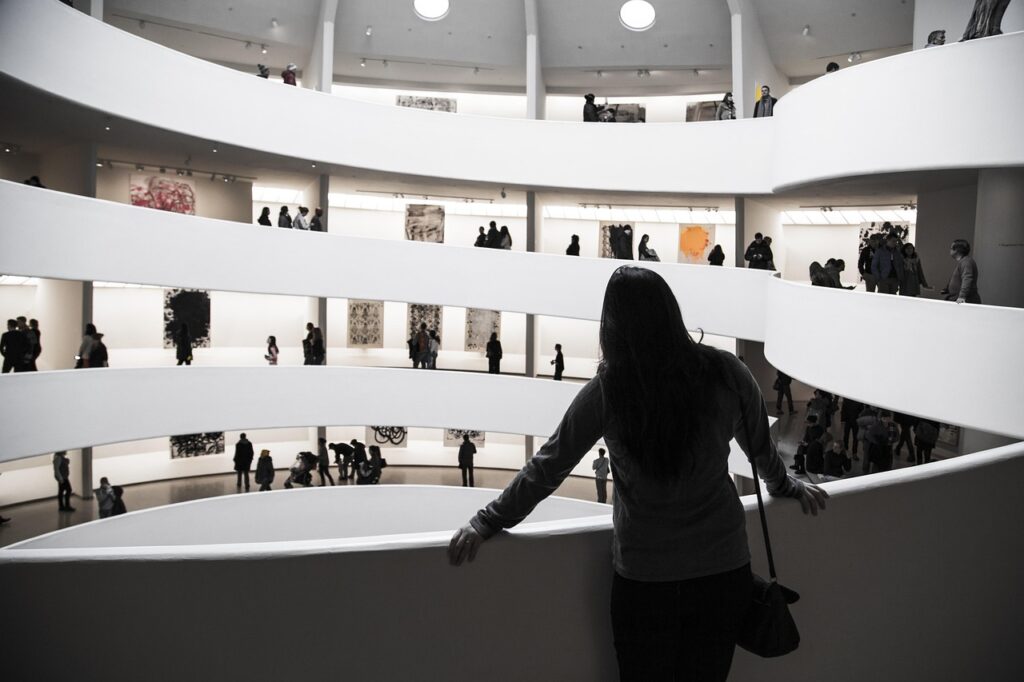
Local galleries and public exhibitions are among the most approachable ways to immerse yourself in contemporary art. Even if you’re not ready to buy, these events offer perspective on pricing, trends, and emerging talent.
Attend gallery openings to meet artists and curators
Visit museum exhibitions with a contemporary focus
Check local art calendars for public installations or community exhibits
Go Digital: Online Marketplaces and Virtual Shows
The digital space has democratized art collecting. Online platforms now offer access to artists around the world, allowing new collectors to shop, compare, and educate themselves from home.
Browse vetted online marketplaces like Artsy, Saatchi Art, or 1stDibs
Explore virtual exhibitions hosted by galleries and art fairs
Take advantage of transparent pricing and artist bios offered online
Don’t Sleep on Underrated Spaces
Artist run spaces and pop up exhibits often fly under the radar, but they’re goldmines for discovering fresh voices and unrepresented talent.
Seek out temporary shows in cultural centers, cafes, or creative studios
Subscribe to newsletters from local art collectives
Follow hashtags and accounts tied to your region’s art scene
Follow Artists Where They Live: Online
Instagram and artist websites are powerful discovery tools when used intentionally.
Follow artists directly to see behind the scenes work, new releases, and live sales
Use Instagram’s explore feature and hashtags to find emerging voices
Join mailing lists via artist websites for first access to new work
Use Curated Directories to Guide You
If you need a starting point with structure, curated directories are your friend. One excellent example:
The ArcahExchibto Art Directory by ArcyArt offers a vetted starting point for exploring contemporary creators and galleries worldwide
Whether you buy right away or not, exploring these channels helps you develop your taste, spot trends, and start building relationships with artists and curators. That’s the real foundation of collecting.
Budget Smart, But Don’t Cheap Out

Prices in the contemporary art world can look random until you know what you’re looking at. Here’s the breakdown: editions mean multiple copies of one work, which usually lowers the price. A gallery markup covers overhead and reputation; for top tier spaces, that can be significant. And then there’s the artist’s own status newcomers price lower, while someone who’s shown in major museums or has collectors lining up can justify far more.
If you’re easing in, go with limited edition prints, works on paper, or pieces from emerging artists. These are often original, thoughtfully crafted, and still affordable. Skip mass produced decor art pretending to be the real thing. It doesn’t hold value and won’t age well on your wall either.
About that value: flipping art isn’t as easy as buying sneakers or stocks. The market isn’t that liquid. Appreciation happens slowly, and usually only for artists with solid CVs or institutional support. Buying with the goal to flip short term often backfires.
And don’t forget the extras. Framing alone can double your spend if you pick a custom route. Insurance is smart, especially as your collection grows. If you’re buying a big piece, storage might enter the picture too. Do the math then spend wisely. High quality usually wins over cheap and trendy in the long run.
Ask Questions, Build Relationships
Buying art isn’t just about taste. It’s about trust, context, and connection. So talk to people. Gallerists, curators, and artists aren’t expecting you to be an expert they’re expecting you to be curious. Ask how a work was made. Ask what the artist was thinking. Ask where it fits in their broader practice. The answers won’t just deepen your understanding they might shift how you see the piece entirely.
Showing up matters too. Go to open studios. Listen in on artist talks. Find online forums where collectors actually share what they’ve learned. Sometimes, just one good conversation can lead to a new favorite artist or a private showing you weren’t supposed to hear about.
Some of the best pieces aren’t listed anywhere. They’re offered quietly, through relationships. If you’re in it for more than a quick buy, invest in the people behind the work. The art that finds you through those channels? It often becomes the most meaningful piece in the room.
Your First Piece: Take the Leap
You don’t need to be an art historian to start collecting. The only way to sharpen your eye is by seeing more work, asking better questions, and learning as you go. Waiting until you feel like an expert will just hold you back. Most seasoned collectors started with a gut reaction and followed their curiosity from there.
Still, gut instinct isn’t an excuse for impulse buys. Do the homework. Learn about the artist, understand the context, and make sure the piece fits the goals you’ve set whether that’s personal resonance or long term value. The best collections are built with intent, not just what’s trendy.
And start small. A limited edition print or a smaller work on paper by an emerging artist can be both meaningful and affordable. Stretching your budget too early doesn’t guarantee a better piece it just adds pressure.
Good news? You don’t need a fortune to begin. Start building your collection today and focus on the one thing that matters most: showing up with curiosity, again and again.
 Ask Norvain Veythorne how they got into art collecting tips and you'll probably get a longer answer than you expected. The short version: Norvain started doing it, got genuinely hooked, and at some point realized they had accumulated enough hard-won knowledge that it would be a waste not to share it. So they started writing.
What makes Norvain worth reading is that they skips the obvious stuff. Nobody needs another surface-level take on Art Collecting Tips, Art Market Trends, Artist Profiles and Interviews. What readers actually want is the nuance — the part that only becomes clear after you've made a few mistakes and figured out why. That's the territory Norvain operates in. The writing is direct, occasionally blunt, and always built around what's actually true rather than what sounds good in an article. They has little patience for filler, which means they's pieces tend to be denser with real information than the average post on the same subject.
Norvain doesn't write to impress anyone. They writes because they has things to say that they genuinely thinks people should hear. That motivation — basic as it sounds — produces something noticeably different from content written for clicks or word count. Readers pick up on it. The comments on Norvain's work tend to reflect that.
Ask Norvain Veythorne how they got into art collecting tips and you'll probably get a longer answer than you expected. The short version: Norvain started doing it, got genuinely hooked, and at some point realized they had accumulated enough hard-won knowledge that it would be a waste not to share it. So they started writing.
What makes Norvain worth reading is that they skips the obvious stuff. Nobody needs another surface-level take on Art Collecting Tips, Art Market Trends, Artist Profiles and Interviews. What readers actually want is the nuance — the part that only becomes clear after you've made a few mistakes and figured out why. That's the territory Norvain operates in. The writing is direct, occasionally blunt, and always built around what's actually true rather than what sounds good in an article. They has little patience for filler, which means they's pieces tend to be denser with real information than the average post on the same subject.
Norvain doesn't write to impress anyone. They writes because they has things to say that they genuinely thinks people should hear. That motivation — basic as it sounds — produces something noticeably different from content written for clicks or word count. Readers pick up on it. The comments on Norvain's work tend to reflect that.