Material Basics What You’re Working With
Acrylic and oil paints start with the same idea pigment plus binder but the way they’re built changes everything about how you use them.
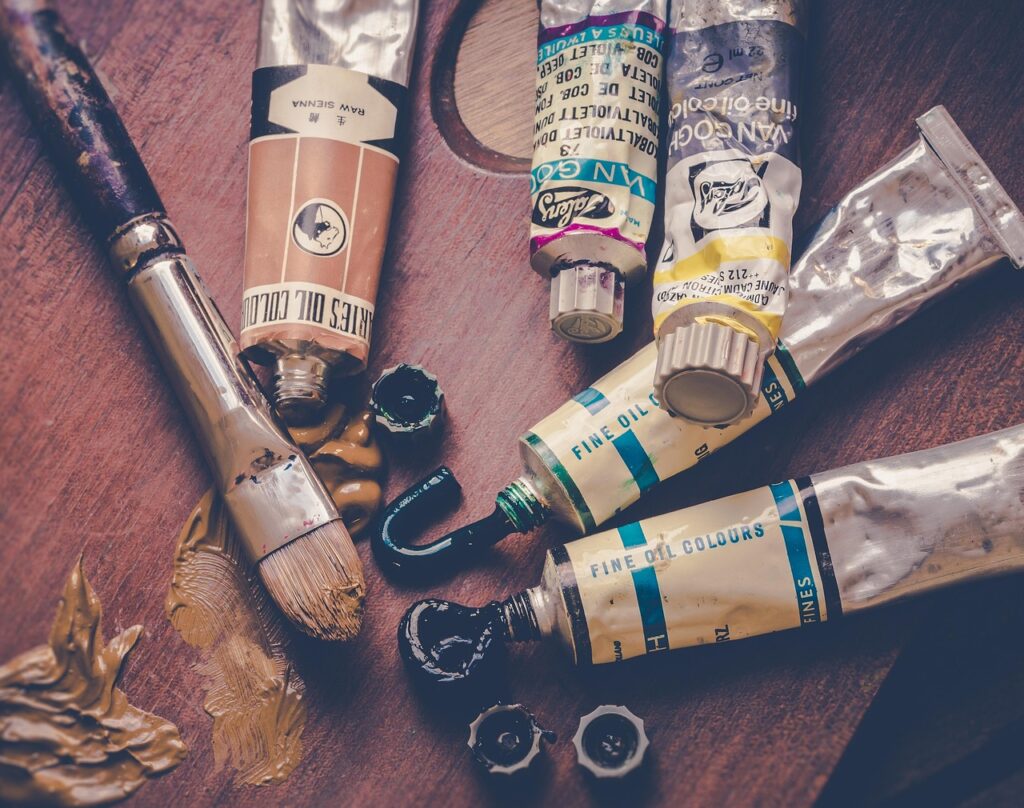
Acrylic paint uses a water based acrylic polymer as its binder. That means it’s fast drying, water soluble when wet, and permanent when dry. Oils, on the other hand, use linseed oil or other natural oils, which make the paint rich, slow to dry, and a bit fussier to clean up (you’ll need solvents like turpentine or mineral spirits).
When it comes to surface reaction, acrylics stick to almost anything canvas, wood, paper, metal without much prep. Oils need a properly primed surface (usually gesso over canvas or board) to prevent the oils from degrading the material over time.
Drying time is the big game changer. Acrylics dry in minutes whether you’re ready or not. Once it sets, there’s no going back. Oil takes its time. A layer might be tacky for days, and thick strokes can take weeks or even months to fully cure. That gives oil artists time to blend and revise. Acrylic artists, though, get speed and layering power in spades. Choose based on how you like to work and how much patience you’ve got.
Workflow Speed & Flexibility
Acrylics are built for momentum. They dry fast sometimes in under ten minutes so you can lay down a color, let it set, and build on top without dragging your process. Ideal if you’re short on time or working in unpredictable conditions. Think plein air painting or tight deadlines. Their quick dry nature also means fewer smudges and less waiting around.
Oils, meanwhile, move at their own pace. They stay wet for hours, sometimes days, which gives you time to blend, shape, and fix without pressure. That slow build up allows for detail and mood shifts mid session. But it’s a workflow meant for stillness better suited for a steady studio spot where canvases can rest and evolve.
If you thrive on mobility or like chasing fast ideas, acrylics flex with you. If you’re all about flow, nuance, and long sessions, oils will treat you better. It’s not a question of better just different rhythms for different kinds of artists.
Color and Texture Differences
When it comes to color, acrylic and oil paints handle things differently and it shows. Acrylics tend to deliver punchy, high saturation color straight out of the tube. Easy to layer, fast to dry, their pigment sits more on the surface, which can make colors look a bit flatter over large areas. Oils, on the other hand, blend deeply into each other. Their slower drying tones down the vibrancy slightly, but the resulting luminosity feels more organic and nuanced light doesn’t bounce off so much as glow from within.
Texture plays its own game. Acrylics dry to a matte or semi matte finish unless you add mediums. That’s fine for bold, graphic work where clarity matters, but it can feel a bit plastic if you’re chasing mood. Oil paints dry with a natural sheen. That subtle shine adds depth makes a portrait breathe or a landscape hum. Layered brush marks hold their shape like sculpture, giving oil paintings a physicality that reads as emotional weight.
Bottom line? Acrylic feels clean and direct. Oil feels emotional and immersive. Choose your tool based on how you want your audience to feel when they look at the work.
Techniques Each Medium Supports
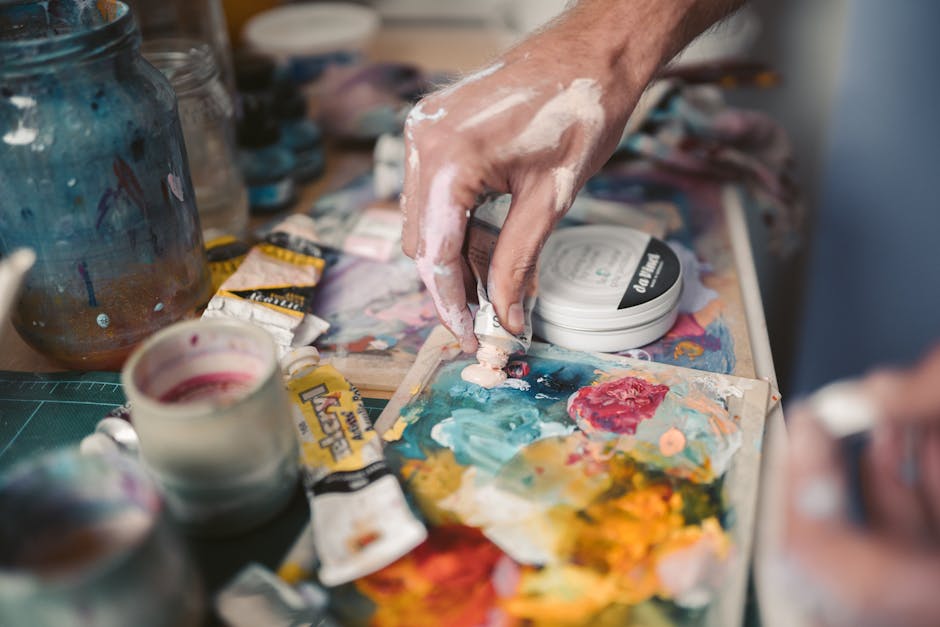
When it comes to technique, oil and acrylic offer different strengths. If you’re into impasto those thick, textured strokes that scream confidence oil wins. Its slow drying time lets you build texture gradually, shape it, and even work back into it days later. Acrylics can do impasto too, but you’ll need heavy body paint or a gel medium to keep those peaks from collapsing, and you’ll have to work fast.
Glazing is another story. Oils dominate here. The extended open time allows for delicate layering and deep luminosity that comes from merging colors without muddying them. Acrylics can glaze, but you’ll need to thin with a medium and build up quickly dry time isn’t on your side.
Scumbling, the technique of dragging a dry brush of broken color over a surface, works well in both, but differently. With oils, it blends into the texture smoothly. Acrylic scumbling has more bite quicker and chalkier. Not a bad thing, just something to consider based on the finish you’re chasing.
Mistakes? Acrylic is more forgiving. Once dry, you can paint over it in minutes, no damage done. Oil demands patience. Paint over too soon, and colors can slip or mix in ways you didn’t plan. On the flip side, oil gives you the buffer to fix things while they’re still wet if you know what you’re doing.
As for layering and transparency, oil takes the crown. Its fat over lean rule (look it up, it matters) rewards strategic planning. With acrylics, layering must be deliberate once it’s dry, that’s the foundation you work from. Transparency is possible, but harder to control due to fast drying.
In short: oils give you time, depth, and subtlety. Acrylics give you speed, control, and instant results. Choose the territory that matches your rhythm.
Cost, Storage, and Maintenance
Getting into painting isn’t just about creative spark it’s also about practical choices. First question artists often face: what’s this going to cost? Acrylics are generally cheaper upfront. Starter sets with decent quality go for a fraction of what you’d pay for professional oil paints. Oils can get pricey fast, especially when you’re buying separate mediums, solvents, and high end brushes built to survive their tougher clean up process. Pros might shell out serious money for lightfast pigments and archival grade materials, but beginners can find budget friendly options in both camps if they look carefully.
Then there’s storage. Acrylics are low maintenance. They’re water soluble, non toxic, and don’t need special ventilation. You can paint in a small studio or even a kitchen without worry. Oils, on the other hand, require more space, airflow, and planning. Solvents like turpentine aren’t beginner friendly in tight indoor environments. You’ll need dedicated containers for oily rags and brushes and a place where fumes won’t become a health hazard. If your space is limited or shared, acrylics win here by a mile.
Finally, think long term. Acrylics dry fast and stay flexible, which is great for durability but tricky for conservation. Some colors may shift slightly as they cure. Oils take longer to dry but age like wine when treated right. Centuries old oil paintings still hold their power partly because of how the pigment and binder sit on canvas for decades. Acrylic isn’t that proven yet. But if you’re not planning to have your work in a museum just yet, both media can last a lifetime with reasonable care.
Artist Lifestyle Fit
Your painting medium isn’t just a technical choice it’s tied to how you live and create. Acrylic suits artists who thrive on speed, spontaneity, and momentum. It dries fast, doesn’t wait around, and matches a quick, reactive style. If your best work happens in bursts, or your schedule demands focused sprints over long sessions, acrylic might just keep up.
Oil, on the other hand, favors patience. Its slow drying time lets ideas stretch and evolve. Layering takes more time, but so does reflection. If your approach is meditative careful blending, refining details, reworking areas over days or weeks oil will give you space to breathe.
Beyond technique, think about your setup. Tight on space? Acrylic makes fewer demands. Sharing a home studio with pets or kids? Its low odor, easy cleanup helps. But if you’ve carved out a quiet, dedicated corner for long sessions, oil opens a different kind of flow.
Your temperament matters as much as your toolkit. Match your medium to how you think and move you’ll feel the difference in your work.
Still Can’t Decide? Go Mixed Media
Choosing between acrylic and oil can feel limiting but it doesn’t have to be. Many contemporary artists are breaking boundaries by combining both mediums to achieve one of a kind effects.
Why Mixed Media?
Blending acrylic and oil allows you to harness the best qualities of each:
Acrylics for structure: Their fast drying time makes them ideal for underpainting or building bold textures.
Oils for depth: Their rich pigments and longer workability time allow for smooth blending, luminous layering, and fine detail.
Mixed media gives you more than just variety it gives you freedom.
Let Technique Be Your Guide
Rather than letting the medium dictate your process, approach it from the opposite angle:
Start with your desired effect or mood then choose the materials that support it.
Use acrylics for quick setups or abstract layers.
Switch to oils when you want to slow down and build subtle tones or refining flourishes.
See for Yourself
Sometimes the best way to understand the power of blending mediums is to study what others are creating.
View mixed media work for ideas, inspiration, and insight into how artists are leveraging this hybrid approach to push their creative boundaries.
Mixed media isn’t a compromise it’s an invitation to experiment on your terms.
The Bottom Line
There’s no universal best when it comes to acrylic vs oil. Both tools have strengths. The key is picking the one that works with your pace, your space, and the way your ideas form. If you’re bold and fast, acrylic might be your ally. If you’re methodical and like to linger in the details, oil could be your match.
Test both. Switch back and forth. Break the rules if it gets you closer to what you’re trying to say. You don’t have to declare allegiance plenty of artists move between mediums or blend them outright. What matters isn’t the material. It’s how well it channels your vision.
See how others are combining approaches in the world of mixed media work. Use that as starting fuel, then make it your own.
 There is a specific skill involved in explaining something clearly — one that is completely separate from actually knowing the subject. Jeffery Youngerston has both. They has spent years working with art collecting tips in a hands-on capacity, and an equal amount of time figuring out how to translate that experience into writing that people with different backgrounds can actually absorb and use.
Jeffery tends to approach complex subjects — Art Collecting Tips, Artist Profiles and Interviews, Art Market Trends being good examples — by starting with what the reader already knows, then building outward from there rather than dropping them in the deep end. It sounds like a small thing. In practice it makes a significant difference in whether someone finishes the article or abandons it halfway through. They is also good at knowing when to stop — a surprisingly underrated skill. Some writers bury useful information under so many caveats and qualifications that the point disappears. Jeffery knows where the point is and gets there without too many detours.
The practical effect of all this is that people who read Jeffery's work tend to come away actually capable of doing something with it. Not just vaguely informed — actually capable. For a writer working in art collecting tips, that is probably the best possible outcome, and it's the standard Jeffery holds they's own work to.
There is a specific skill involved in explaining something clearly — one that is completely separate from actually knowing the subject. Jeffery Youngerston has both. They has spent years working with art collecting tips in a hands-on capacity, and an equal amount of time figuring out how to translate that experience into writing that people with different backgrounds can actually absorb and use.
Jeffery tends to approach complex subjects — Art Collecting Tips, Artist Profiles and Interviews, Art Market Trends being good examples — by starting with what the reader already knows, then building outward from there rather than dropping them in the deep end. It sounds like a small thing. In practice it makes a significant difference in whether someone finishes the article or abandons it halfway through. They is also good at knowing when to stop — a surprisingly underrated skill. Some writers bury useful information under so many caveats and qualifications that the point disappears. Jeffery knows where the point is and gets there without too many detours.
The practical effect of all this is that people who read Jeffery's work tend to come away actually capable of doing something with it. Not just vaguely informed — actually capable. For a writer working in art collecting tips, that is probably the best possible outcome, and it's the standard Jeffery holds they's own work to.