Crafting Your Vision in the Studio
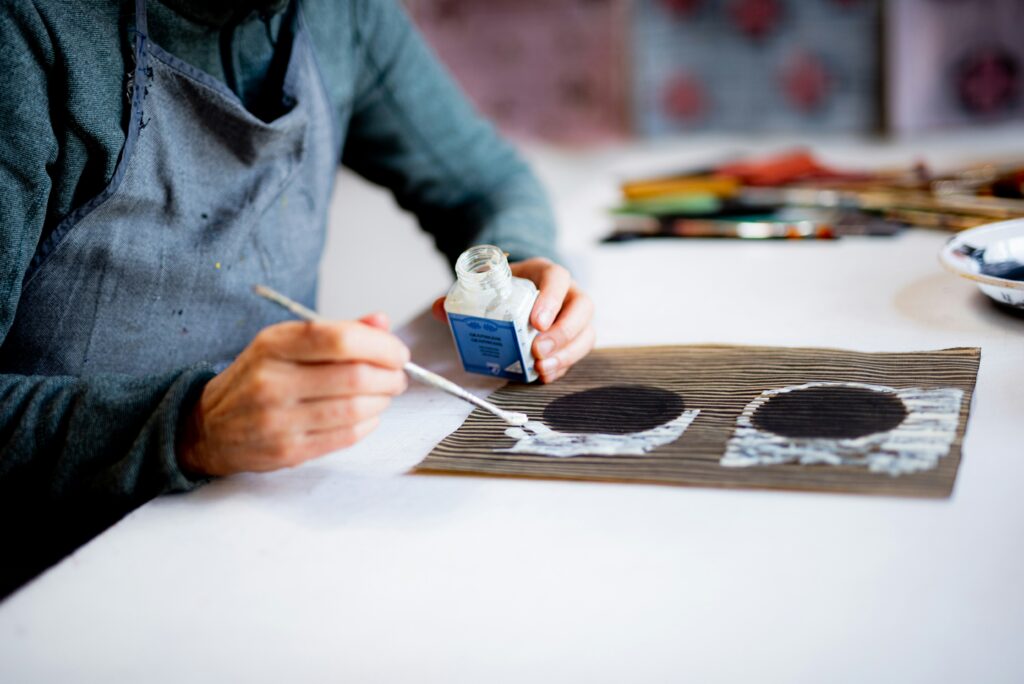
Every painter’s journey begins in a personal space the studio. It’s where ideas are explored, techniques evolve, and a true artistic voice begins to take shape.
Developing Your Unique Voice
Creating original work starts with self awareness and observation. While early influences are valuable, your goal should be to move beyond imitation into innovation.
Reflect on themes that resonate deeply with you
Explore the subjects, colors, and materials that feel authentic
Be willing to discard what’s trendy in favor of what’s true to you
Finding Balance: Experimentation and Discipline
Artistic growth requires both creative risk taking and structure. Experimentation leads to discovery, but consistency sharpens your skills.
Set aside time to play with new techniques or materials
Build routines to support momentum and productivity
Keep a sketchbook or idea journal to capture spontaneous insights
Building a Cohesive Body of Work
Before your art enters a gallery, you’ll need to establish a foundation of work that speaks with a clear visual and conceptual language. Cohesion doesn’t mean repetition it means clarity of vision.
Select 8 12 pieces that relate visually or thematically
Focus on developing series rather than isolated works
Edit ruthlessly curate your strongest work, not everything you’ve made
Thinking Beyond the Canvas
Being an artist is about more than making paintings. Clarifying your broader artistic goals will help you stay focused and motivated.
Define what success looks like: exhibitions, teaching, commissions?
Consider the type of audience you want to reach
Set actionable goals: monthly output, studio hours, or networking steps
Taking your studio practice seriously is the first step toward gallery success. The more intentional your creative process, the more powerful your presence will be when your work enters the public eye.
Preparing for the Leap to Public Display
The gap between your studio and a gallery wall isn’t just physical it’s strategic. The first step is your portfolio. It needs to be tight, focused, and reflect a clear artistic identity. More isn’t better. Curate like your future depends on it. Ten pieces that speak the same visual language are more powerful than twenty that wander.
Once you’ve selected your work, photograph it like it matters because it does. A poorly lit or skewed photo can knock you out of the running before anyone even sees your brushwork. Use natural light or soft diffused lighting; shoot straight on with a neutral background. Hire a pro if you have the budget. If not, learn how to do it properly there’s no excuse for sloppy documentation in 2024.
Next, write your artist statement. No fluff. No jargon. Just a straight and honest take on what you’re exploring, why it matters, and how your work does that. Keep it tight 250 words max. Think clarity over cleverness. When someone reads it, they should nod, not squint.
Finally, choose your targets wisely. Not every gallery is for every artist, and blind submissions are a fast track to silence. Research shows, events, and artist rosters. Look for places that align with your medium, tone, and level. Start local if you’re just breaking in. You want a fit, not just a “yes.”
This isn’t about perfection it’s about putting your best, clearest self forward. The gallery world has long memory. Make that first impression count.
The Submission Process Demystified
Submitting your work to a gallery isn’t just about sending a few JPEGs and hoping for the best. Each gallery has its own preferences formats, submission periods, and how they want to be approached. Some have open calls twice a year. Others only accept work through specific curators or during themed exhibitions. Read the guidelines. Follow them. Ignoring details like file sizes or deadlines is the fastest way to get your email deleted without a reply.
Your pitch should never be copy paste spam. Tailor it. Know the gallery’s past shows. Reference them. Explain why your style fits their curatorial arc. Keep your subject line clear and your email concise. Attach a small, tight portfolio about 5 10 images along with a short artist statement and bio. Don’t overload them with links, zip files, or heavy attachments.
To know the exact steps and timing, check out this full guide on how, when, and where to submit your paintings.
After submitting, give it time. If the gallery says they’ll respond in six weeks, wait at least that long. If you follow up, be brief and polite. No guilt trips. Galleries are busy, and silence doesn’t always mean rejection it sometimes means, not right now. Being persistent without becoming a pest shows professionalism. And professionalism sticks.
What Happens After You’re Accepted
Getting the yes is just the start. Preparing for an exhibition pulls you out of creative isolation and into production mode. Every piece needs to be ready: framed, titled, documented, and, ideally, part of a cohesive narrative. You’re not just showing work you’re telling a story with it. That means considering how it all reads together on a wall, how the layout flows, and how the viewer moves through the space.
You’ll be working closely with curators and gallery staff. Keep your communication clear and timely. They’re juggling multiple shows and timelines respect that. Ask questions, take feedback, and make it easy for them to advocate for your work. You’re part of a team effort now, and professionalism gets noticed.
Pricing your work isn’t guesswork anymore. Think about materials, time, scale, and your current market standing. Talk to other artists. Research shows with similar mediums and audiences. Price with intent. And stand by your numbers they reflect the value you bring, not just the canvas.
Promotion is on you as much as the gallery. That means building buzz weeks out. Line up posts on your social channels, create a mailing list (if you don’t have one, start now), and reach out to local press with clean, concise press releases. Tag the gallery, share behind the scenes prep, and make your audience feel like part of the process. A full room on opening night doesn’t just happen it’s built, post by post, over time.
Navigating Rejection and Growth
Rejection is an inevitable part of every creative journey but it doesn’t define your potential. In the art world, unanswered emails and declined applications happen often, even to established painters. What matters most is how you respond and use these moments to refine your practice and strategy.
Dealing with Silence or Rejection
It’s discouraging to hear nothing or to receive a polite but firm “no.” Instead of taking it personally, approach rejection with curiosity and resilience.
Don’t internalize silence many galleries simply don’t have the resources to respond to every submission.
If feedback is offered, take it seriously reflect on it and consider how it may inform your next steps.
Stay professional always respond with gratitude if you do hear back, even if the answer is no.
Turn Feedback into Fuel
Constructive feedback when given can be a powerful tool for development. Use it to reevaluate your work through a new lens.
Identify recurring themes in feedback (e.g. lack of cohesion, unclear artist statement).
Consider seeking a trusted mentor or peer critique group for additional perspective.
Revisit your portfolio and statements to refine your message or clarify your intent.
Keep the Momentum Going
Staying motivated is crucial and requires intentional effort. Rejection should never result in stagnation.
Set new goals whether that’s applying to different types of galleries or developing a new series.
Celebrate small wins like receiving a compliment from a peer or successfully completing a body of work.
Reassess your gallery strategy Is the style or format right for the venues you’re targeting? Are there new opportunities you’ve overlooked?
Keep Evolving, Always
The most successful artists treat rejection as feedback, not failure. As you refine your process and grow your resilience, you develop more than your art you build a career that endures.
Building a Long Term Gallery Presence
Getting into a gallery show is an achievement but it’s not the finish line. If anything, it’s your opening move. Turning one show into an ongoing relationship means showing up, staying in touch, and handling every moment like a pro. Ask questions. Be respectful of deadlines. Send a thank you when the show ends. Simple stuff, but it sticks.
Beyond that, take the long view. Participating in group shows, open calls, art fairs, or even applying for residencies connected with the gallery helps build momentum. Exposure is one thing presence is another. The more they see your work evolving in public contexts, the more likely you are to stay on their radar.
Professionalism goes a long way. Respond to emails promptly. Show up prepared. Never ghost. Reputation spreads fast in the gallery world, and consistency pays off. You’re not just marketing your art you’re marketing how easy you are to work with.
And if you hear a no? That’s not the end. Reapplying down the line isn’t a desperate move it’s smart, especially if you’ve grown. Wait at least a year. Update your portfolio. Show clear progress. Galleries want to support artists who take their craft seriously, not just send the same work again and again.
Keep it real, keep it steady, and above all, keep showing the work.
Start Your Gallery Journey Today
You’ve put in the hours, built a body of work, and found your visual voice. Now it’s time to stop waiting for the perfect moment and start moving toward the gallery wall. Exhibiting your work doesn’t require an insider connection or a wild stroke of luck it requires clarity, preparation, and a willingness to put yourself out there.
The first step? Understand what galleries want and how to approach them. That means tailoring your submission, knowing your value, and staying persistent without losing your cool. If you’re ready to turn paintings stacked in your studio into an experience shared on gallery walls, this guide will walk you through the essentials.
Learn how to submit your paintings and take your first step toward a public art career with confidence.
 There is a specific skill involved in explaining something clearly — one that is completely separate from actually knowing the subject. Jeffery Youngerston has both. They has spent years working with art collecting tips in a hands-on capacity, and an equal amount of time figuring out how to translate that experience into writing that people with different backgrounds can actually absorb and use.
Jeffery tends to approach complex subjects — Art Collecting Tips, Artist Profiles and Interviews, Art Market Trends being good examples — by starting with what the reader already knows, then building outward from there rather than dropping them in the deep end. It sounds like a small thing. In practice it makes a significant difference in whether someone finishes the article or abandons it halfway through. They is also good at knowing when to stop — a surprisingly underrated skill. Some writers bury useful information under so many caveats and qualifications that the point disappears. Jeffery knows where the point is and gets there without too many detours.
The practical effect of all this is that people who read Jeffery's work tend to come away actually capable of doing something with it. Not just vaguely informed — actually capable. For a writer working in art collecting tips, that is probably the best possible outcome, and it's the standard Jeffery holds they's own work to.
There is a specific skill involved in explaining something clearly — one that is completely separate from actually knowing the subject. Jeffery Youngerston has both. They has spent years working with art collecting tips in a hands-on capacity, and an equal amount of time figuring out how to translate that experience into writing that people with different backgrounds can actually absorb and use.
Jeffery tends to approach complex subjects — Art Collecting Tips, Artist Profiles and Interviews, Art Market Trends being good examples — by starting with what the reader already knows, then building outward from there rather than dropping them in the deep end. It sounds like a small thing. In practice it makes a significant difference in whether someone finishes the article or abandons it halfway through. They is also good at knowing when to stop — a surprisingly underrated skill. Some writers bury useful information under so many caveats and qualifications that the point disappears. Jeffery knows where the point is and gets there without too many detours.
The practical effect of all this is that people who read Jeffery's work tend to come away actually capable of doing something with it. Not just vaguely informed — actually capable. For a writer working in art collecting tips, that is probably the best possible outcome, and it's the standard Jeffery holds they's own work to.