
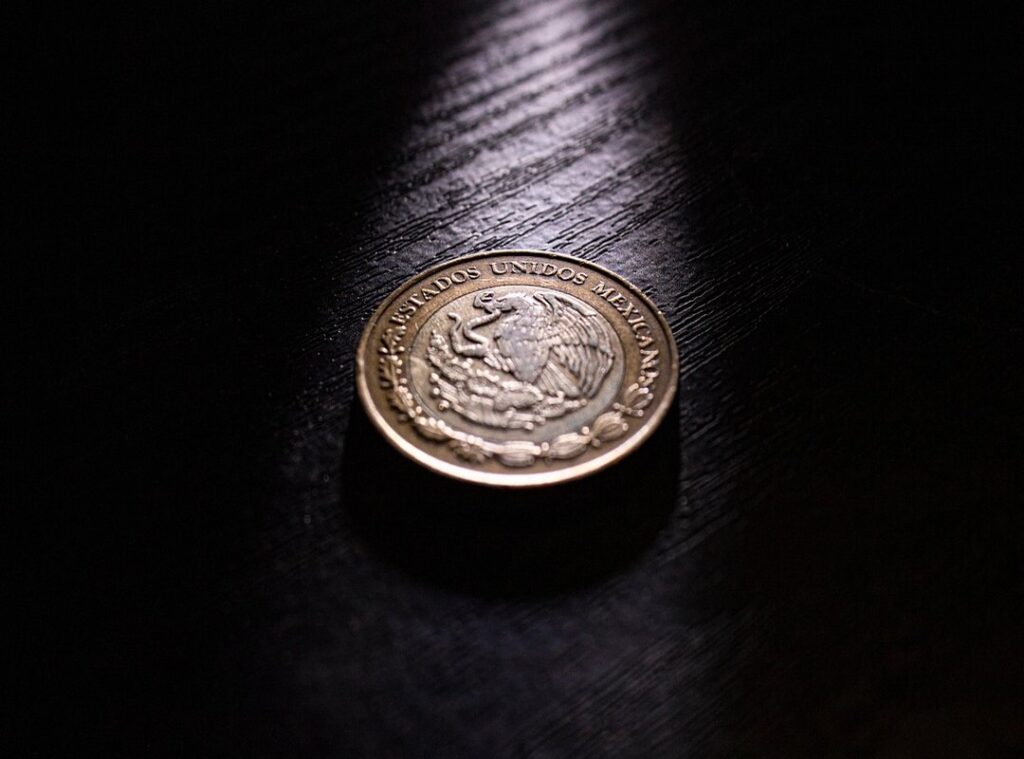
Converting 29,000 pesos mexicanos a pesos chilenos can be a bit tricky. You might be wondering, how do I even start? Well, let’s break it down.
First, you need to know the current exchange rate. That’s the key. But don’t worry, I’ll walk you through it step by step.
Trust me, it’s not as complicated as it seems. Just follow along and you’ll get it in no time.
Understanding Currency Conversion Basics
Currency conversion is all about changing one country’s money into another. It’s like when you go to a store and trade your dollars for euros before a trip. Simple, right?
But why is it important? Well, if you’re traveling or doing business internationally, you need to know how much your money is worth in the local currency. Otherwise, you might end up overpaying or not having enough.
Now, let’s talk about exchange rates. An exchange rate is just the value of one currency compared to another. For example, if the exchange rate is 1 USD to 0.85 EUR, that means one US dollar is worth 0.85 euros.
This rate changes all the time based on a bunch of factors, like economic news and market demand.
So, why do real-time rates matter? Imagine you’re converting 29000 pesos mexicanos a pesos chilenos. If you use an outdated exchange rate, you might get a completely different amount than what you’d actually get at the current rate.
That can mean losing out on a lot of money, especially if you’re dealing with large amounts.
One of my friends, who works in finance, put it this way: “Using real-time rates is like checking the weather before you leave the house. You don’t want to be caught in the rain without an umbrella, right?” He’s got a point. Staying updated with the latest rates helps you make the most accurate conversions and avoid any surprises.
How to Find the Current Exchange Rate
I was planning a trip to Chile and needed to convert 29000 pesos mexicanos a pesos chilenos. I had no idea where to start.
Online financial platforms are a lifesaver. XE and OANDA are my go-tos. They give you real-time exchange rates, and they’re super easy to use.
Just type in the amount and the currencies, and boom, you get your answer.
Bank websites are also pretty reliable. Most major banks have a section for currency conversion. It’s usually updated daily, so you can trust it.
But remember, banks might not always offer the best rates, especially if you’re looking to make a transaction.
Financial news sources like Bloomberg and Reuters are great too. They provide up-to-date exchange rate information along with market analysis. This is super helpful if you want to understand why the rates are moving the way they are.
One time, I was in a rush and used a random app. Big mistake. The rate was outdated, and I ended up losing money.
Stick to the well-known platforms. Trust me, it’s worth it.
Pro tip: Always cross-check the rates from at least two different sources. It helps you spot any discrepancies and ensures you’re getting the best deal.
Step-by-Step Guide to Convert 29,000 MXN to CLP
First things first, let’s get the current exchange rate. You can find this on financial news sites or through your bank. Some people might say it’s not worth the effort, but having the right rate is key.
Now, for the calculation. Take 29,000 MXN and multiply it by the current exchange rate. For example, if the rate is 50 CLP per MXN, you’d do 29,000 * 50.
Simple, right?
You might think, why bother with all this when I can just use an online converter? Well, doing it yourself helps you understand the process. Plus, it’s good to know how to do it in case you don’t have internet access.
Next, verify your result. Double-check your math. It’s easy to make a mistake, especially with large numbers.
Using an online converter is also a smart move. Just type in 29000 pesos mexicanos a pesos chilenos and see what it says. This way, you can be sure your manual calculation is correct. 29000 pesos mexicanos a pesos chilenos
In the end, it’s about being thorough. Sure, it takes a bit more time, but it’s worth it to avoid any costly errors.
Example Calculation: 29,000 MXN to CLP
Let’s walk through a simple example using a hypothetical exchange rate.
Imagine the rate is 1 MXN = 50 CLP.
- Step 1: Start with 29,000 MXN.
- Step 2: Multiply 29,000 by 50.
So, 29,000 * 50 = 1,450,000 CLP.
That’s it. Simple, right?
Now, let’s compare this to another scenario.
Say the rate changes to 1 MXN = 60 CLP.
- Step 1: Again, start with 29,000 MXN.
- Step 2: Multiply 29,000 by 60.
This time, 29,000 * 60 = 1,740,000 CLP.
See the difference? A small change in the exchange rate can make a big impact.
Understanding these calculations helps you make better decisions when converting 29000 pesos mexicanos a pesos chilenos.
Common Mistakes to Avoid in Currency Conversion

Using stale rates is a big no-no. It’s like using last week’s weather report to decide what to wear today. You might end up with a completely wrong conversion, and that can cost you.
Rounding errors are another pitfall. Precision is key, especially when you’re dealing with large amounts. Even a small rounding error can add up quickly.
Ignoring fees is a mistake I see all the time. Whether it’s a bank or an online service, there are always fees or commissions. These can eat into your final amount, so make sure to factor them in.
Let’s say you’re converting 29000 pesos mexicanos a pesos chilenos. If you don’t account for the current rate, any rounding errors, and the fees, you might end up with a lot less than you expected.
So, how do you avoid these mistakes? Stay updated on the latest exchange rates, double-check your calculations, and always read the fine print about fees. Trust me, a little extra effort upfront can save you a lot of headaches later.
Frequently Asked Questions (FAQs)
Q1: What is the best time to convert currencies?
A: I get this question a lot. The best time to convert currencies really depends on market conditions.
Generally, you want to avoid times when the market is volatile, like during major economic news releases. One of my clients, Maria, once told me, “I always check the news before making a conversion. It’s saved me from some bad rates.”
Q2: Are there any tools to automate the conversion process?
A: Absolutely. There are several online tools and apps that can help with automatic conversion.
For example, one of my friends uses an app that automatically converts 29000 pesos mexicanos a pesos chilenos whenever he needs it. He says, “It’s a lifesaver, especially when I’m traveling or need to make quick decisions.”
Q3: How do I know if the exchange rate is fair?
A: Good question. To ensure you’re getting a fair rate, compare the rates from different sources.
Banks, online platforms, and even local currency exchanges can have different rates. My colleague, John, always checks at least three different sources. He mentioned, “It’s a bit of extra work, but it’s worth it to avoid getting ripped off.”
Mastering Currency Conversion
29000 pesos mexicanos a pesos chilenos conversion requires attention to detail. Use real-time exchange rates for accuracy. Follow the step-by-step guide provided.
This ensures you get the most precise result. Stay informed and practice regularly. Keeping up with exchange rates can lead to better financial decisions.
 There is a specific skill involved in explaining something clearly — one that is completely separate from actually knowing the subject. Jeffery Youngerston has both. They has spent years working with art collecting tips in a hands-on capacity, and an equal amount of time figuring out how to translate that experience into writing that people with different backgrounds can actually absorb and use.
Jeffery tends to approach complex subjects — Art Collecting Tips, Artist Profiles and Interviews, Art Market Trends being good examples — by starting with what the reader already knows, then building outward from there rather than dropping them in the deep end. It sounds like a small thing. In practice it makes a significant difference in whether someone finishes the article or abandons it halfway through. They is also good at knowing when to stop — a surprisingly underrated skill. Some writers bury useful information under so many caveats and qualifications that the point disappears. Jeffery knows where the point is and gets there without too many detours.
The practical effect of all this is that people who read Jeffery's work tend to come away actually capable of doing something with it. Not just vaguely informed — actually capable. For a writer working in art collecting tips, that is probably the best possible outcome, and it's the standard Jeffery holds they's own work to.
There is a specific skill involved in explaining something clearly — one that is completely separate from actually knowing the subject. Jeffery Youngerston has both. They has spent years working with art collecting tips in a hands-on capacity, and an equal amount of time figuring out how to translate that experience into writing that people with different backgrounds can actually absorb and use.
Jeffery tends to approach complex subjects — Art Collecting Tips, Artist Profiles and Interviews, Art Market Trends being good examples — by starting with what the reader already knows, then building outward from there rather than dropping them in the deep end. It sounds like a small thing. In practice it makes a significant difference in whether someone finishes the article or abandons it halfway through. They is also good at knowing when to stop — a surprisingly underrated skill. Some writers bury useful information under so many caveats and qualifications that the point disappears. Jeffery knows where the point is and gets there without too many detours.
The practical effect of all this is that people who read Jeffery's work tend to come away actually capable of doing something with it. Not just vaguely informed — actually capable. For a writer working in art collecting tips, that is probably the best possible outcome, and it's the standard Jeffery holds they's own work to.